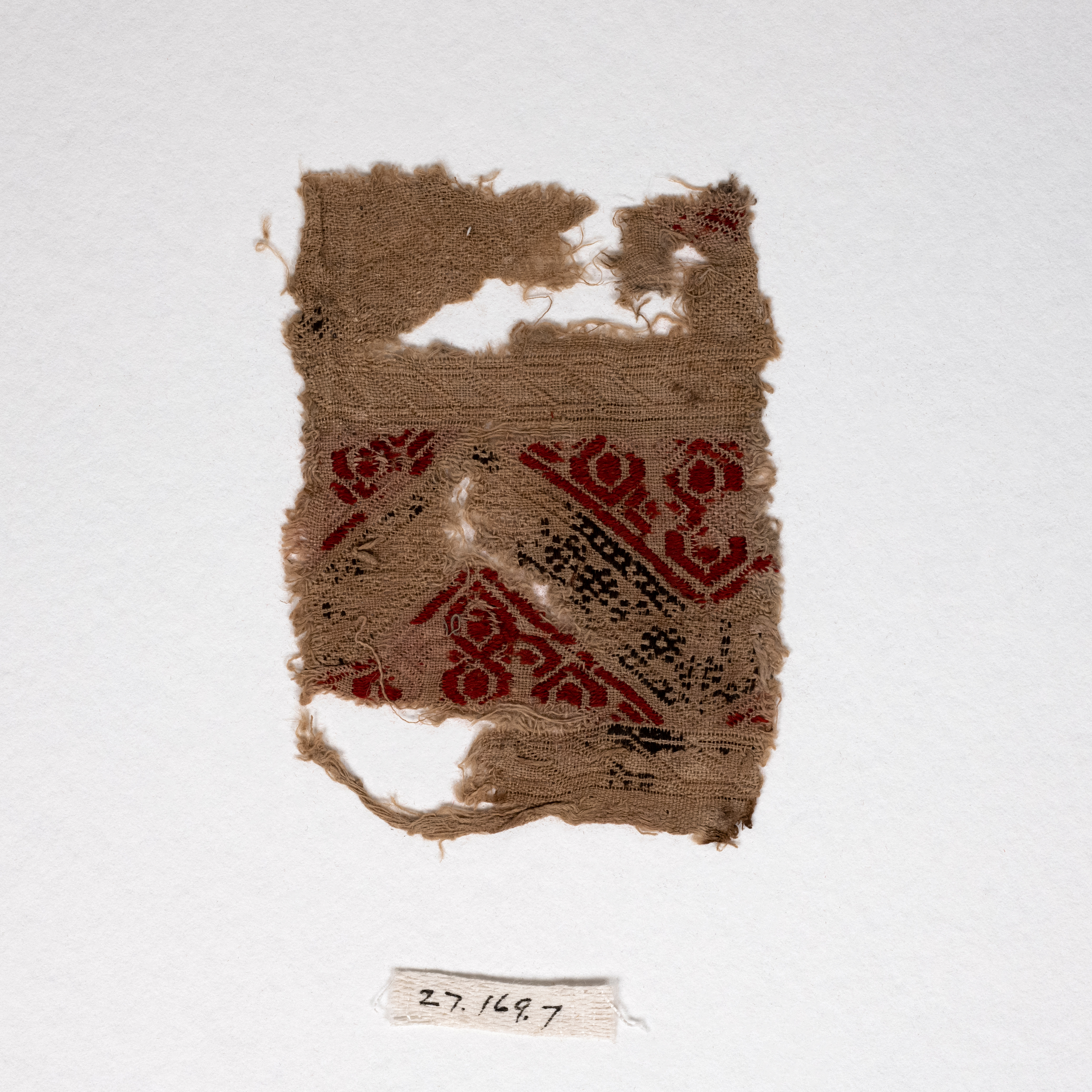
Band Fragment: A Conduit of Cultural Memory in Linen and Silk
Within the curated silence of the laboratory, the Band Fragment exists not as a remnant, but as a sovereign text. Its designation as a "standalone study" is a deliberate curatorial stance, liberating it from the immediate burden of speculative reconstruction—of which sleeve, which hem, which distant garment it once adorned. Instead, we engage with it as a primary source, a distilled lexicon of technique and narrative where the global heritage is not a vague inspiration but a tangible, threaded reality. The material dialogue of robust, earthy linen and luminous, fluid silk embroidery creates a microcosm of human ingenuity, where foundation and ornament, strength and storytelling, are in perpetual, exquisite negotiation.
Material Matrix: The Dialectic of Linen and Silk
The foundation of this fragment is linen, one of humanity's oldest textile companions. Sourced from the flax plant, linen carries with it a heritage of practicality and purity. Its inherent qualities—exceptional strength, a subtle, irregular slub, and a capacity to soften with age while retaining integrity—speak to a material chosen for endurance. In the context of global heritage, linen is a democratic thread, common to the wardrobes of Nordic peasants, Egyptian pharaohs, and Mediterranean merchants. Its presence here establishes a ground of timeless, unpretentious resilience. It is the canvas, the parchment, the steadfast warp upon which history is inscribed.
Contrasting this grounded foundation is the embroidery in silk. If linen is the earth, silk is the sky—a material born of metamorphosis, synonymous with luxury, trade, and transcendent beauty. The very history of silk is a map of global exchange, along the routes connecting East to West. The use of silk thread for embroidery transforms the textile from a utilitarian object into a carrier of coded meaning and status. The stitches are not merely decorative; they are a form of writing. The sheen of the silk catches light dynamically, ensuring that the embroidered narrative is not static but changes with the wearer's movement and the day's hour, a subtle, performative quality lost in static display but intrinsic to its original purpose.
Embroidery as Epigraphy: Decoding the Stitched Lexicon
The embroidery pattern itself is the fragment's most eloquent voice. As a standalone study, we analyze its syntax without presupposing its complete grammatical garment structure. The motif appears to be a repeating, interconnected band, likely geometric or stylized floral/faunal in nature. This places it within a vast global tradition: the meandering vines of Mughal *chini* patterns, the interlocking key motifs of Greek borders, the rhythmic geometries of Andean textiles, or the flowing arabesques of Ottoman design. The choice of a "band" is architecturally significant; bands are used to define edges—necklines, cuffs, hems—serving as structural and symbolic borders between the body and the world, between the private self and public display.
The technical execution of the silk embroidery demands forensic appreciation. Is it a counted-thread technique like satin stitch, creating a smooth, painterly surface that exploits silk’s maximum luster? Or is it a raised, textured technique like couching or stem stitch, where the thread is laid on the surface and secured, creating a tactile, linear quality? Each stitch type carries its own heritage. Satin stitch points towards Chinese influences and later, European opulence. Couching suggests Byzantine, ecclesiastical, or Middle Eastern origins, where metallic threads were often secured in this manner. The density of the embroidery is another critical data point: is it a sparse, elegant line or a densely packed, almost carpet-like coverage? Density speaks to resource availability, intended magnificence, and the hours of labor invested—a direct measure of the fragment’s original perceived value.
Contextual Aura: The Standalone Study as Methodological Imperative
Approaching this artifact as a Standalone Study is a core tenet of the Katherine Fashion Lab methodology. It resists the facile "cultural fusion" narrative to engage in deeper material forensics. We ask: what do the wear patterns on the linen reverse reveal? Where is the embroidery densest, and where does it show the subtle polish of friction? The very fact it is a fragment is data—was it carefully cut, savaged by time, or repurposed? The standalone analysis allows us to focus on the micro-decisions: the exact hue of the silk (extracted from which dye sources?), the tension consistency of the stitches (the work of a single master or a collaborative effort?), and the subtle imperfections that authenticate its handmade origin.
This focus reveals the fragment as a node in a vast network. The linen may have been woven in one region, the silk spun and dyed in another, and the embroidery applied in a third, following a pattern transmitted through trade, migration, or imperial influence. It is a physical testament to pre-industrial globalization. Its beauty is inseparable from its testimony to complex chains of knowledge, labor, and desire that spanned continents long before the modern fashion system existed.
Conclusion: The Fragment as a Complete Universe
The Band Fragment, in its elegant simplicity, dismantles the hierarchy between the monumental garment and the constituent part. In linen, we feel the enduring strength of common need. In silk embroidery, we witness the universal human impulse to transcend the merely functional, to encode identity, belief, and beauty into the very fabric that shelters us. This standalone study concludes not with a definitive attribution, but with a profound appreciation for the fragment as a complete universe of meaning. It is a lesson in how global heritage functions: not as a monolithic past, but as a living, stitched, and endlessly recontextualized conversation between hand, material, and symbol. It reminds us that in couture, as in culture, the most powerful narratives are often held in the details, waiting for a patient eye to read the world in a single, splendid band.