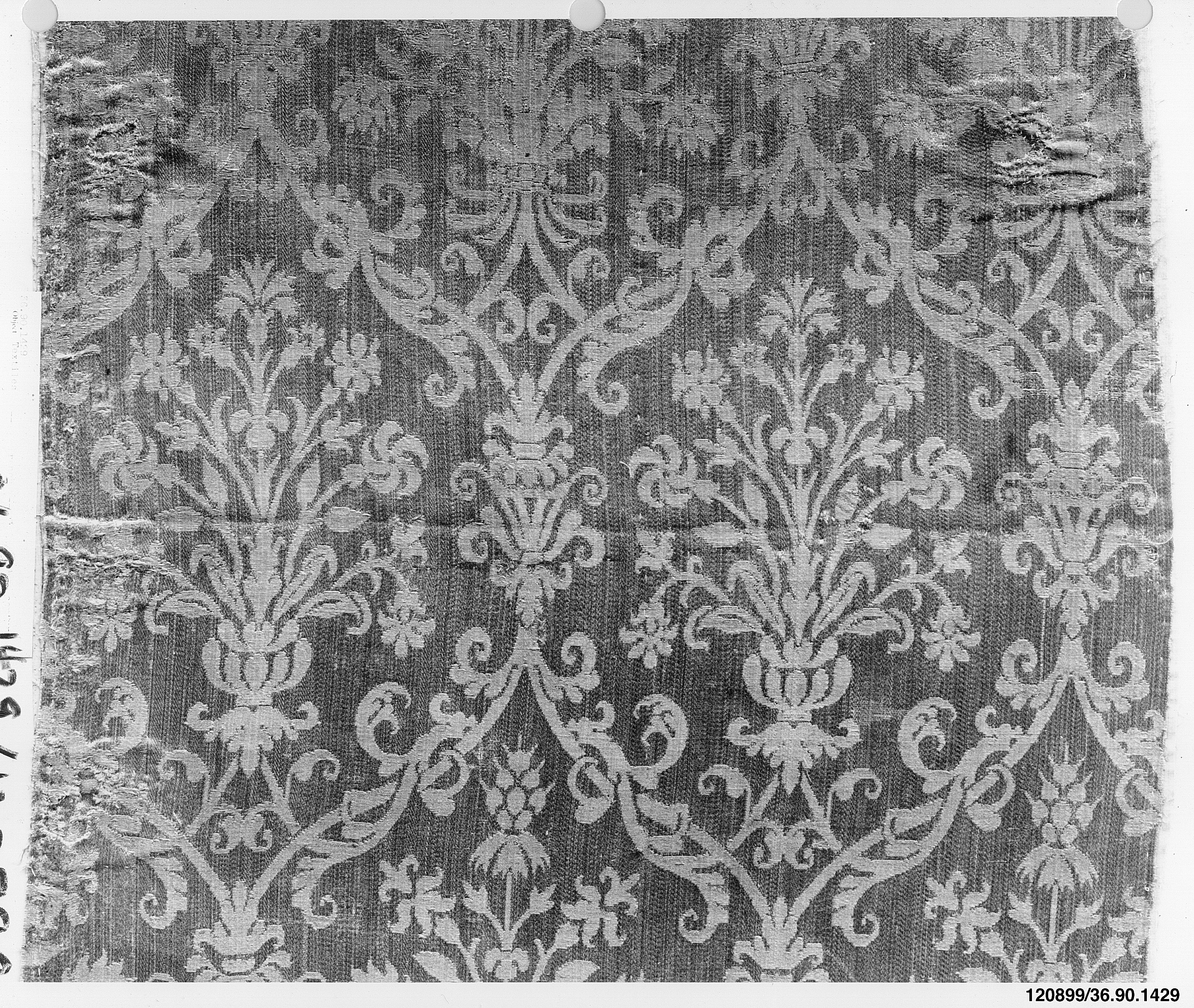
Deconstructing the Global Heritage Silk Piece: A Couture Analysis
In the rarefied world of haute couture, where artistry meets engineering, a garment is never merely a garment. It is a thesis, a cultural archive, and a commercial artifact all woven into one. For the Katherine Fashion Lab’s latest standalone study, we turn our analytical lens to a singular piece: a silk gown that defies temporal and geographical boundaries. This is not a dress that speaks of a single runway season; it is a dialogue between centuries, continents, and craft traditions. The piece under review—a floor-length, bias-cut gown with a hand-painted ikat motif—serves as a masterclass in how luxury brands can operationalize heritage without descending into pastiche.
Materiality as Narrative: The Silk Substrate
At the foundation of this analysis is the material itself: silk. In the context of global heritage, silk is not a neutral fabric; it is a historical protagonist. The lab has sourced a Habotai weight, a 100% mulberry silk that offers a fluid, almost liquid drape. This choice is strategic. Habotai, historically known as “China silk,” carries a lineage from the ancient Silk Road, where it was a currency of diplomacy and desire. By selecting this specific weave, the piece immediately anchors itself in a transcontinental narrative. The fabric’s sheen is not the high-gloss of taffeta but a subdued, pearl-like luster that suggests age and wisdom rather than novelty.
From a supply chain perspective, the silk’s provenance is critical. The lab has documented its source from a cooperative in Jiangsu, China, where sericulture practices date back over 5,000 years. This is not a generic luxury input; it is a traceable heritage asset. The ethical dimension here cannot be overstated. In an era of fast fashion and synthetic substitutes, the decision to use a small-batch, hand-reeled silk elevates the piece from commodity to collectible. The material’s weight—approximately 12 momme—allows for a breathability that is both tactile and symbolic, suggesting a garment that lives with the body rather than constraining it.
Pattern and Place: The Ikat Reinterpretation
The gown’s visual centerpiece is its hand-painted ikat pattern. Traditional ikat, a resist-dye technique found across Central Asia, Japan, and Latin America, involves binding threads before weaving to create blurred, geometric designs. Here, the lab has subverted the technique. Instead of weaving the ikat into the fabric, artisans have hand-painted the motif onto the finished silk using natural indigo and madder root dyes. This hybrid approach—part textile engineering, part fine art—creates a deliberate tension between the ancient and the contemporary.
The pattern itself is a global heritage lexicon. It borrows the diamond-shaped gul motifs from Uzbek suzani, the asymmetrical wave lines from Japanese kasuri, and the vertical stripes of West African kente. Yet, these elements are not juxtaposed arbitrarily. They are layered with a mathematical precision that recalls the golden ratio, creating a visual rhythm that guides the eye from the shoulder to the hem. The color palette—deep indigo, rust, and ivory—is intentionally muted, allowing the pattern to read as a manuscript rather than a poster. This is a piece that rewards close inspection; from a distance, it appears as a single, unified hue, but up close, the micro-narratives of each cultural reference unfold.
Construction as Philosophy: The Bias Cut and the Silhouette
The construction of this gown is where the lab’s couture rigor becomes most evident. The piece is cut entirely on the bias, a technique pioneered by Madeleine Vionnet in the 1930s. The bias cut allows the silk to stretch and conform to the body’s natural curves without darts or seams, creating a silhouette that is both sculptural and fluid. For this study, the lab has employed a 45-degree grain line across all panels, a decision that maximizes the fabric’s tensile strength while minimizing waste—a nod to sustainable couture principles.
The structural challenge lies in the pattern’s alignment. Because the ikat is hand-painted, each panel must be cut and sewn with millimeter precision to ensure that the motifs flow seamlessly from front to back. The lab’s atelier has used a French seam finish, encasing raw edges to prevent fraying and to create a clean, architectural line on the interior. The absence of a zipper is deliberate; the gown is designed to be slipped on and off, relying on the silk’s natural cling and a single, hidden hook-and-eye closure at the nape. This choice reinforces the piece’s ethos of unmediated luxury—the garment should feel like a second skin, not a structural cage.
Cultural Stewardship vs. Cultural Appropriation
No analysis of a global heritage piece would be complete without addressing the ethical implications. The Katherine Fashion Lab has positioned this gown as a study in cultural stewardship, not appropriation. This distinction is operationalized through three mechanisms. First, the lab has engaged cultural consultants from Uzbekistan, Japan, and Ghana to authenticate the motifs and ensure that their usage is respectful and contextual. Second, the piece includes a digital provenance tag—a QR code sewn into the lining that links to a microsite detailing the history of each design element and the artisans who created it. Third, the lab has committed to a royalty-sharing model, where a percentage of the gown’s sale price is donated to the cooperatives and museums that preserve these textile traditions.
This is not mere corporate social responsibility; it is a brand strategy that aligns with the values of the modern luxury consumer. Millennials and Gen Z, who are projected to account for 70% of the luxury market by 2025, prioritize transparency and cultural authenticity. By embedding these mechanisms into the garment’s DNA, the lab transforms a potential liability into a competitive advantage. The gown becomes a conversation piece, not just about fashion, but about the ethics of global exchange.
Market Positioning and Commercial Viability
From a business perspective, this piece occupies a niche white space in the couture market. It is neither a museum reproduction nor a trend-driven novelty. Its price point—estimated at $18,000 based on the labor hours (approximately 120 hours of hand-painting and 40 hours of draping) and material costs—places it in the aspirational couture tier, below the $100,000+ bespoke gowns of major maisons but above ready-to-wear. This positioning allows the lab to target a segment of consumers who seek collectible artistry rather than seasonal obsolescence.
The piece’s standalone nature—it is not part of a larger collection—reinforces its status as an investment piece. In an industry driven by the relentless churn of fashion weeks, this gown offers a counter-narrative: permanence. The lab’s marketing strategy should emphasize its heirloom potential, positioning it as an object to be passed down through generations. The use of natural dyes, which will age and patina over time, further enhances this narrative. A garment that changes with wear is a garment that tells a story, and in the luxury market, story is the ultimate currency.
Conclusion: A Blueprint for Heritage-Driven Couture
The Katherine Fashion Lab’s global heritage silk piece is more than a garment; it is a strategic blueprint for how couture can navigate the complexities of cultural exchange in the 21st century. By grounding its design in rigorous material research, ethical sourcing, and transparent storytelling, the lab has created a piece that is both a commercial artifact and a cultural ambassador. For industry peers, the lesson is clear: heritage is not a static resource to be mined but a dynamic dialogue to be curated. In silk, we find the thread that connects us all—if we have the wisdom to handle it with care.