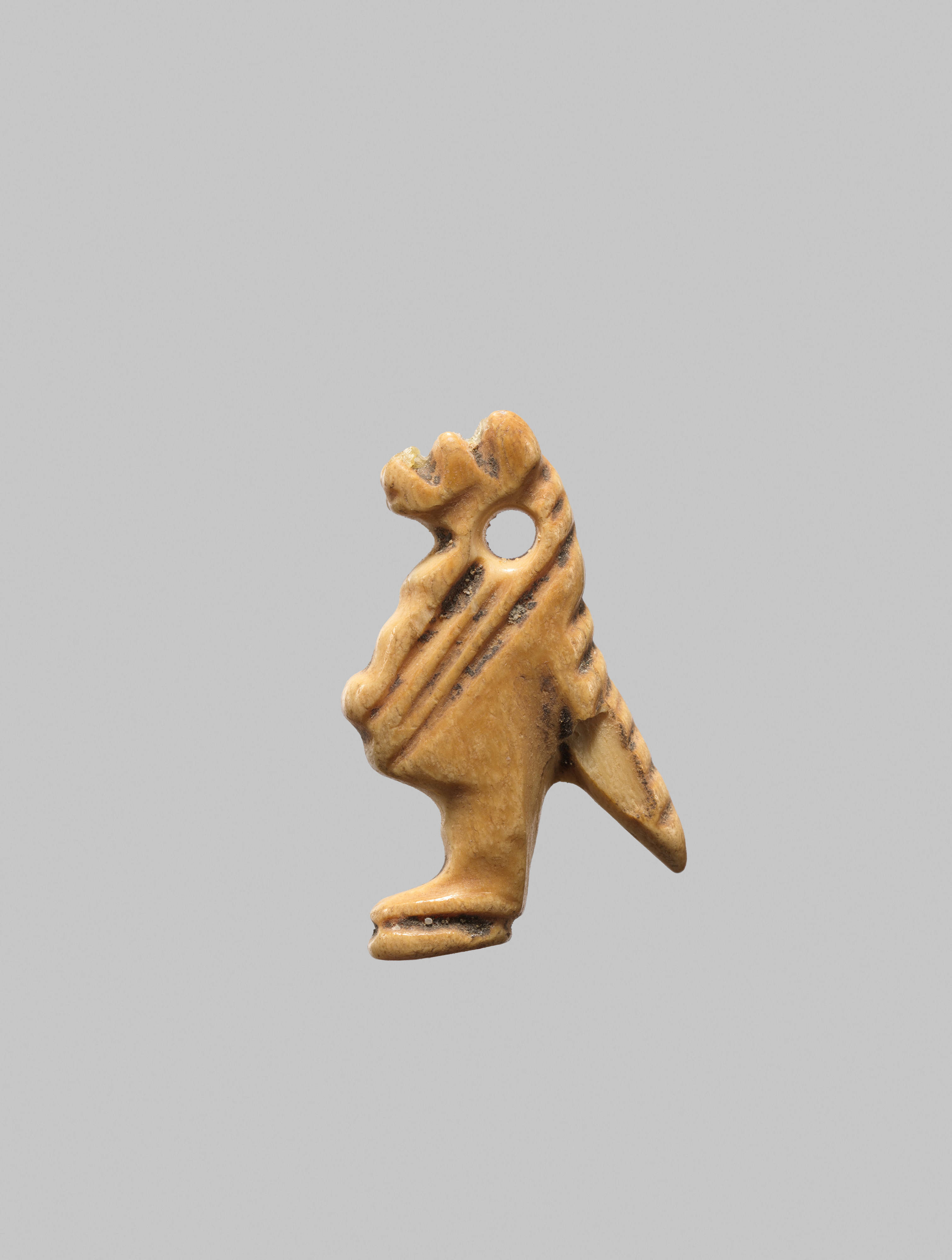
Heritage Analysis: The Taweret Amulet
As Lead Heritage Curator for Katherine Fashion Lab, I present this strategic standalone research on the Taweret amulet, a potent artifact from ancient Egyptian civilization. Crafted from ivory or bone, this object embodies a convergence of symbolic power, historical adornment, and spiritual meaning that offers profound inspiration for high-end luxury strategy in 2026. This analysis deconstructs the amulet’s significance across three dimensions—symbolic, historical, and spiritual—and translates these insights into actionable recommendations for luxury brand positioning.
Symbolic Power: The Hippopotamus Goddess as Protector and Transformer
The Taweret amulet, depicting the goddess Taweret with the body of a pregnant hippopotamus, the limbs of a lion, and the tail of a crocodile, is a masterclass in symbolic synthesis. In ancient Egyptian cosmology, Taweret was a formidable deity of fertility, childbirth, and protection. Her composite form represented the merging of the most dangerous animals of the Nile into a single, benevolent guardian. The hippopotamus, while nurturing her young, was also a fearsome creature capable of overturning boats—a duality that positioned Taweret as a protector against chaos, particularly during the vulnerable transition of birth.
For luxury strategy, this symbolism offers a rich narrative of transformation through protective power. The amulet’s role as a talisman against evil spirits and misfortune aligns with the modern luxury consumer’s desire for objects that convey strength, resilience, and personal sanctuary. In 2026, as global uncertainties persist, luxury brands can leverage Taweret’s symbolism to create collections that emphasize empowerment and safeguarding. The amulet’s composite nature—merging predator and nurturer—suggests a design language of hybridity, where contrasting elements (e.g., soft leather with sharp metal, organic shapes with geometric precision) coexist to evoke both comfort and authority.
Historical Adornment: From Amulet to Status Marker
Historically, the Taweret amulet was not merely a spiritual object but a form of personal adornment worn by women, particularly during pregnancy and childbirth. Carved from ivory or bone—materials sourced from elephants, hippopotami, or large mammals—the amulet signified both wealth and access to rare resources. Ivory, in particular, was a luxury commodity in ancient Egypt, reserved for elite classes and religious rituals. The amulet’s placement on a necklace or bracelet ensured it remained close to the body, functioning as both a protective device and a visible status symbol.
This historical context reveals a critical insight for high-end luxury: adornment as a dual function of protection and prestige. In 2026, luxury consumers increasingly seek items that serve as tangible anchors in a volatile world. The Taweret amulet’s legacy suggests that brands should develop wearable talismans—pieces that combine aesthetic excellence with perceived protective properties. For example, a high-jewelry line could incorporate amulet-like pendants in precious metals and gemstones, marketed as “guardians of well-being.” The choice of ivory or bone in antiquity underscores the importance of material provenance; modern equivalents—such as ethically sourced bone, fossilized ivory, or sustainable alternatives like tagua nut—can evoke the same sense of rarity and ethical resonance.
Spiritual Meaning: The Amulet as a Bridge Between Worlds
The spiritual dimension of the Taweret amulet is deeply interwoven with ancient Egyptian beliefs about the afterlife and divine intervention. Taweret was also a goddess of the underworld, assisting in the rebirth of souls. The amulet, therefore, served as a liminal object—a bridge between the physical and spiritual realms. Its use in burial contexts, where it was placed on mummies to ensure safe passage, highlights its role as a guide through transitions. This spiritual meaning elevates the amulet beyond mere ornamentation; it becomes a conduit for metaphysical security.
For luxury strategy, this spiritual layer offers a pathway to experiential and narrative-driven branding. In 2026, high-end consumers are gravitating toward brands that provide a sense of meaning and ritual. The Taweret amulet inspires a luxury collection that is not just about product but about ceremony and intention. For instance, a brand could launch a “Ritual of Protection” series, where each piece is accompanied by a curated experience—such as a private consultation with a heritage curator, a symbolic blessing ceremony, or a digital narrative tracing the amulet’s journey from antiquity to modernity. This approach transforms the amulet from a static artifact into a living story, aligning with the luxury market’s shift toward emotional and spiritual value.
2026 High-End Luxury Strategy: Translating Heritage into Modernity
To operationalize these insights, Katherine Fashion Lab recommends a three-pillar strategy for integrating the Taweret amulet’s heritage into a 2026 luxury brand portfolio:
1. Material Innovation and Provenance Storytelling
The amulet’s ivory and bone medium demands a contemporary reinterpretation. Luxury brands should collaborate with ethical artisans to source sustainable materials that echo the original’s rarity—such as responsibly harvested mammoth ivory or high-polish bone from regulated sources. Each piece should include a digital provenance certificate, detailing its material origin, craftsmanship process, and historical inspiration. This transparency appeals to the 2026 consumer’s demand for ethical luxury and authenticity.
2. Design Language of Hybridity and Protection
The amulet’s composite iconography—hippopotamus, lion, crocodile—should inform a design language that juxtaposes strength and softness. For example, a Taweret-inspired necklace could feature a central pendant with carved, protective motifs (e.g., a stylized hippo head) framed by delicate, fluid chains. The collection should be positioned as “armor for the soul,” targeting women in leadership roles who seek both visual impact and emotional resonance. Limited-edition pieces with unique, numbered amulets can enhance exclusivity.
3. Experiential Retail and Ritual-Based Marketing
Luxury boutiques should offer immersive experiences that recreate the amulet’s spiritual context. A pop-up installation could evoke an ancient Egyptian temple, with soundscapes of the Nile, scent diffusers of myrrh and lotus, and interactive stations where clients learn about Taweret’s mythology. Purchases could include a “blessing card” written by a heritage curator, personalizing the amulet’s protective meaning. Digital campaigns should leverage augmented reality to allow customers to “activate” the amulet’s symbolism through their smartphones, reinforcing the brand’s fusion of tradition and technology.
In conclusion, the Taweret amulet is not merely an artifact of ancient adornment but a strategic blueprint for luxury in 2026. Its symbolic power, historical prestige, and spiritual depth offer a compelling narrative that resonates with modern desires for protection, meaning, and status. By translating these elements into ethical materials, hybrid design, and ritual-based experiences, Katherine Fashion Lab can position itself at the vanguard of heritage-inspired luxury, where the past becomes a powerful tool for future relevance.