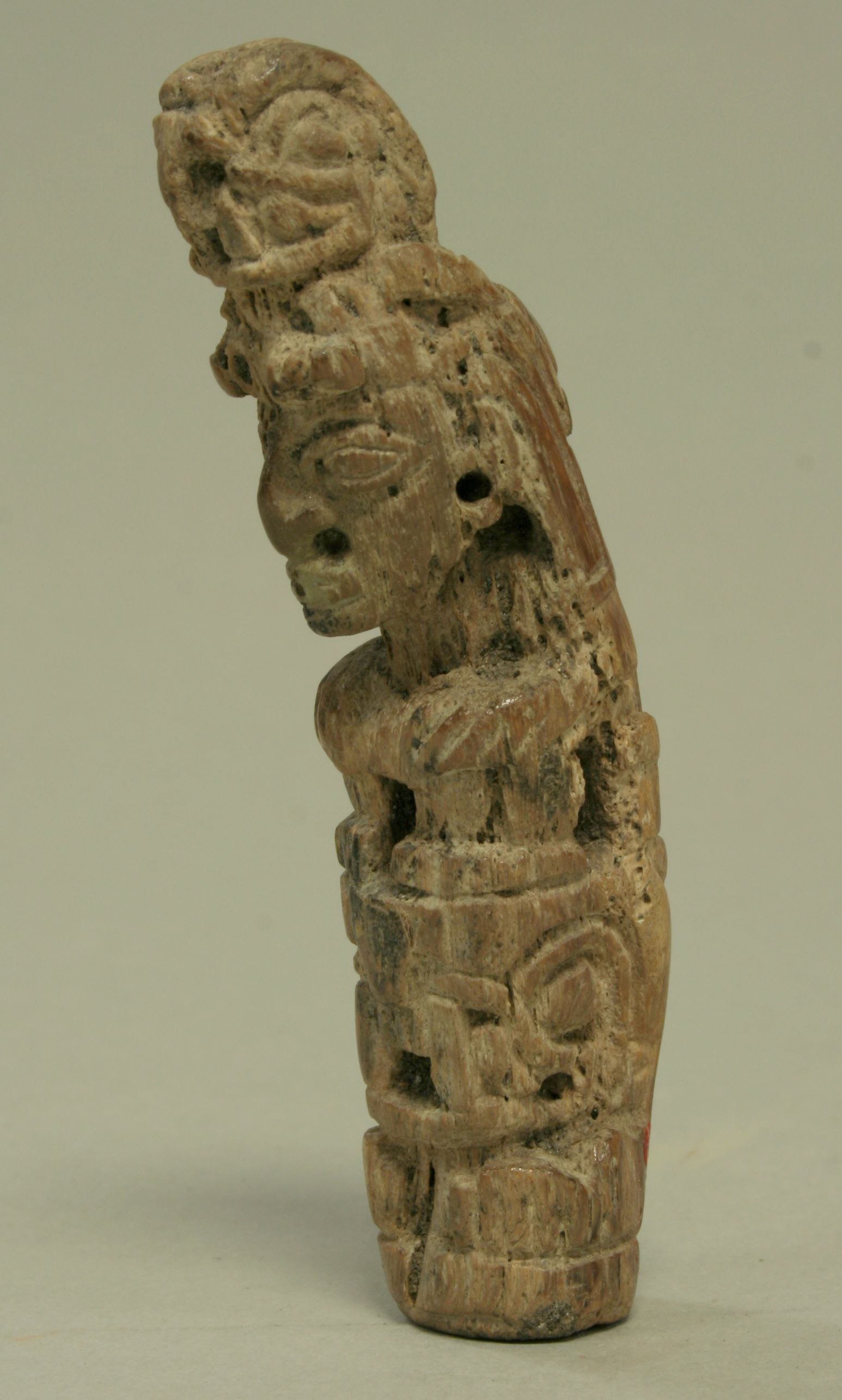
Heritage Analysis: The Tolita-Tumaco Bone Figure
Introduction: A Foundational Artifact for Katherine Fashion Lab
This strategic standalone research paper examines a bone figure from the Tolita-Tumaco culture (circa 600 BCE–400 CE), a pre-Columbian civilization that flourished along the Pacific coast of present-day Colombia and Ecuador. As Lead Heritage Curator for Katherine Fashion Lab, I analyze this artifact through the dual lenses of historical symbolism and contemporary luxury strategy. The figure, carved from animal bone, represents a seated human or shamanic figure, its surface worn smooth by centuries of ritual handling. For a 2026 high-end luxury strategy, this artifact offers profound insights into symbolic power, historical adornment, and spiritual meaning—elements that can elevate Katherine Fashion Lab’s brand narrative from mere aesthetic appeal to cultural authority.
Symbolic Power: The Figure as a Conduit of Authority
The Tolita-Tumaco bone figure embodies symbolic power through its deliberate representation of status and supernatural connection. In Tolita-Tumaco society, bone—often sourced from deer, jaguar, or human remains—was not a utilitarian medium but a sacred one. The act of carving bone required immense skill and ritual preparation, as the material was believed to retain the essence of the living creature. This figure, with its exaggerated headdress or cranial modification, signals hierarchical authority. The elongated skull, a common motif in Tolita-Tumaco art, denotes nobility or shamanic initiation, as cranial shaping was a marker of elite lineage. For Katherine Fashion Lab, this symbolic power translates into a 2026 strategy that emphasizes exclusivity through heritage. By referencing the figure’s authoritative posture—seated upright, hands resting on knees—the Lab can design accessories or silhouettes that project confidence and lineage. For instance, a bone-inlaid headpiece or a structured shoulder line in a tailored jacket can evoke the same commanding presence. The figure’s symbolism teaches us that power in luxury is not loud but resonant with historical weight.
Historical Adornment: The Body as a Canvas for Identity
Adornment in Tolita-Tumaco culture was inseparable from identity, and this bone figure provides a microcosm of that practice. The figure’s surface reveals traces of pigment—likely red ochre or cinnabar—indicating that it was once painted or anointed for ceremonial use. Additionally, small perforations along the figure’s ears and nose suggest that it was adorned with actual ornaments: gold or shell earrings, nose rings, or textile attachments. This practice of layering adornment onto a sacred object reflects the Tolita-Tumaco belief that beauty and spirituality were intertwined. Historical records from neighboring cultures, such as the Tumaco-La Tolita ceramic traditions, confirm that such figures were often dressed in miniature textiles or fitted with removable accessories. For Katherine Fashion Lab’s 2026 strategy, this concept of modular adornment is revolutionary. The Lab can develop a line of interchangeable luxury elements—detachable collars, bone-inspired brooches, or transformable sleeves—that allow the wearer to customize their garment as a form of personal ritual. This approach honors the Tolita-Tumaco practice of adorning the figure as an act of devotion, while aligning with modern luxury’s demand for personalization and sustainability. The bone figure’s historical adornment reminds us that luxury is not static; it is a dialogue between the object and its owner.
Spiritual Meaning: The Shamanic Bridge Between Worlds
The spiritual meaning of the Tolita-Tumaco bone figure is its most profound attribute. In shamanic traditions, bone was considered the hardest, most enduring part of the body—the seat of the soul. This figure likely served as a spiritual intermediary used in rites of passage, healing ceremonies, or funerary contexts. The seated posture, with legs crossed and hands resting, mirrors shamanic trance positions found across Amazonian and Andean cultures. The figure’s hollowed eyes and open mouth suggest a state of altered consciousness, perhaps receiving visions or channeling ancestral spirits. For Katherine Fashion Lab, this spiritual dimension offers a narrative of transformation. The 2026 luxury strategy can position the brand as a conduit for personal empowerment, where garments and accessories are not merely objects but ritual tools. Consider a collection titled “The Shamanic Line,” featuring bone-like textures in sustainable resins, deep ochre and cinnabar hues, and silhouettes that evoke the figure’s seated, meditative pose. Marketing materials should emphasize the act of dressing as a spiritual practice—a moment of intention-setting. The bone figure’s spiritual meaning elevates Katherine Fashion Lab from a fashion house to a cultural arbiter, offering clients a connection to something greater than aesthetics.
2026 High-End Luxury Strategy: Translating Heritage into Market Leadership
To integrate the Tolita-Tumaco bone figure into a 2026 high-end luxury strategy, Katherine Fashion Lab must adopt a three-pillar approach: Authenticity, Exclusivity, and Narrative Depth.
Authenticity requires rigorous collaboration with indigenous scholars and museums. The Lab should commission a limited-edition research publication detailing the figure’s provenance, symbolic language, and conservation. This publication, sold with each piece, adds intellectual value and ensures cultural respect. For example, a bone-inspired cuff bracelet could include a QR code linking to an interactive 3D model of the original artifact, curated by the Lab’s heritage team.
Exclusivity is achieved through scarcity. The Lab should produce no more than 100 pieces per design, each numbered and accompanied by a certificate of heritage analysis. Materials should mimic the tactile qualities of bone—matte finishes, organic contours—using lab-grown hydroxyapatite or sustainably sourced tagua nut, a plant-based alternative. This avoids ethical concerns while preserving the artifact’s essence.
Narrative Depth is the differentiator. The 2026 campaign, titled “The Bone Code,” should feature visual storytelling that juxtaposes the original figure with modern silhouettes. Editorial photography could show models in meditative poses, wearing the Lab’s designs against minimalist, museum-like backdrops. The narrative must communicate that each piece is a talisman of power, not a mere accessory. Pricing should reflect this: entry-level items at $2,500, with signature pieces reaching $25,000, positioning Katherine Fashion Lab in the ultra-luxury segment alongside heritage houses like Cartier or Hermès, but with a distinct anthropological edge.
Conclusion: The Figure as a Strategic Asset
The Tolita-Tumaco bone figure is more than an archaeological artifact; it is a strategic asset for Katherine Fashion Lab’s 2026 luxury vision. Its symbolic power teaches authority through design, its historical adornment inspires modular customization, and its spiritual meaning offers a narrative of transformation. By translating these elements into a cohesive strategy—rooted in authenticity, exclusivity, and narrative depth—the Lab can lead the high-end market with a product that is both culturally informed and commercially viable. This approach ensures that Katherine Fashion Lab does not merely borrow from heritage but amplifies it, setting a new standard for luxury that honors the past while shaping the future.