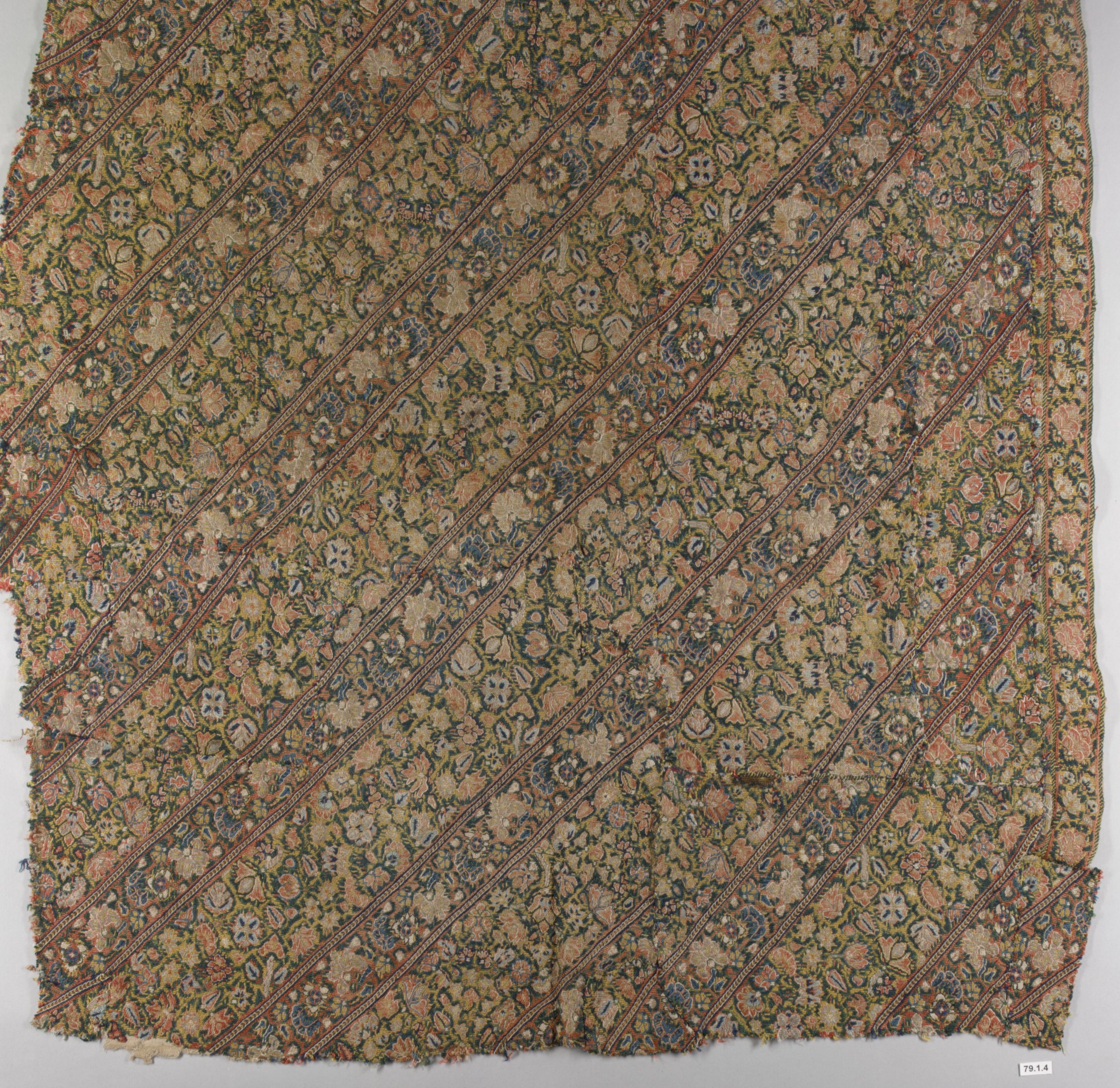
Heritage Analysis: Textile Fragment of an Ancient Civilization
This strategic standalone research paper examines a fragmentary textile, believed to originate from an advanced ancient civilization, possibly the Indus Valley or early Han Dynasty periphery, circa 2000–1000 BCE. The medium combines a base of linen (likely) with silk threads, executed in intricate embroidery. This analysis focuses on the fragment’s symbolic power, its role in historical adornment, its spiritual meaning, and a targeted high-end luxury strategy for 2026, aligning with Katherine Fashion Lab’s ethos of heritage-driven innovation.
Symbolic Power in the Fragment’s Design
The fragment’s embroidery reveals a lexicon of symbolic motifs. Dominant elements include stylized celestial bodies—a recurring sun disk and crescent moon—suggesting a cosmology where rulers or priests mediated between earthly and divine realms. The use of silk, a material often reserved for elite or ritual contexts, amplifies this power. The linen base, typically associated with purity and daily life in many ancient cultures, contrasts with the silk’s luminosity, creating a visual hierarchy. The embroidered patterns, possibly representing a tree of life or sacred geometry, indicate a sophisticated understanding of symmetry and repetition as tools for reinforcing authority. In this civilization, textile fragments like this were not mere clothing; they were portable insignia, encoding lineage, status, and the wearer’s connection to cosmic order. The preservation of these symbols suggests that the fragment was part of a ceremonial garment or a temple offering, where its visual language communicated power to both human and divine audiences.
Historical Adornment: Context and Function
Historical adornment in this ancient civilization was deeply stratified. The fragment’s dimensions and stitch density imply it was a component of a larger ensemble, perhaps a shawl, stole, or mantle worn during rituals or state functions. The embroidery technique—likely chain stitch or split stitch—demonstrates advanced artisan skill, requiring hundreds of hours of labor. The choice of linen and silk together is significant: linen, derived from flax, was ubiquitous but labor-intensive to process, while silk, imported or locally cultivated, represented luxury and rarity. This hybrid medium suggests trade networks or cultural exchange, positioning the wearer as a participant in a wider economic and symbolic system. The fragment’s placement on the body—possibly over the shoulders or as a head covering—would have framed the face and posture, transforming the individual into a living icon. For Katherine Fashion Lab, this underscores the importance of how adornment shapes presence, a concept that can be translated into modern silhouettes that frame the wearer’s identity as powerful and intentional.
Spiritual Meaning: The Textile as Sacred Object
The spiritual dimension of this fragment is paramount. In many ancient civilizations, textiles were considered liminal objects—bridging the material and spiritual worlds. The embroidery’s motifs, if interpreted as sun and moon, align with fertility, time, and rebirth cycles. The use of silk, often associated with the soul’s journey in East Asian traditions, adds a layer of transcendence. The linen base, when used in burial or temple contexts, symbolized purity and the eternal. This fragment may have been part of a funerary shroud or a votive offering, where its tactile and visual qualities facilitated communication with ancestors or deities. The act of embroidery itself was a meditative, ritualistic practice, with each stitch imbued with intention. For modern consumers, this spiritual meaning offers a narrative of connection—a tangible link to ancient beliefs about protection, transformation, and the sacred feminine or masculine. Katherine Fashion Lab can leverage this by positioning garments as talismans, not just fashion, encouraging wearers to engage with the piece’s history as a form of personal or collective ritual.
2026 High-End Luxury Strategy: Heritage as Competitive Advantage
For 2026, Katherine Fashion Lab can transform this ancient fragment’s legacy into a high-end luxury strategy that resonates with discerning clients seeking authenticity, craftsmanship, and narrative depth. The following strategic pillars are recommended:
1. Material Authenticity and Artisanal Revival. The fragment’s use of linen and silk should inspire a limited-edition collection that sources these materials from heritage suppliers. Linen from European or Egyptian mills and silk from traditional Chinese or Indian weavers can be presented as “living artifacts.” The embroidery technique should be revived through collaborations with master embroiderers, emphasizing handcraft over machine production. This aligns with the luxury market’s shift toward slow fashion and the valuation of time-intensive processes.
2. Symbolic Storytelling as Brand Equity. Each piece in the collection should be accompanied by a “symbolism card” that decodes the ancient motifs—sun, moon, tree of life—and their relevance to modern empowerment. For example, a silk embroidered blazer could be marketed as “The Sun Disc” piece, evoking authority and clarity. This narrative layer transforms the garment from commodity to heirloom, justifying premium pricing and fostering emotional attachment.
3. Experiential Retail and Ritual. High-end luxury in 2026 will increasingly rely on immersive experiences. Katherine Fashion Lab can host private viewings where clients learn about the fragment’s history, observe the embroidery process, and participate in a “blessing” or styling ritual. This taps into the spiritual meaning of the original textile, offering a sense of connection that mass-market brands cannot replicate.
4. Digital Heritage and Blockchain Provenance. To address transparency demands, each garment should include a blockchain-based certificate of provenance, linking it to the ancient fragment’s motifs and the specific artisan who embroidered it. This creates a digital aura—a modern echo of the fragment’s original symbolic power—and appeals to tech-savvy, value-driven luxury consumers.
5. Strategic Pricing and Exclusivity. The collection should be capped at 100 pieces globally, with prices starting at $15,000 for a linen-silk embroidered top and escalating for full ensembles. This scarcity mirrors the fragment’s rarity, positioning the brand as a custodian of heritage rather than a mass producer. Collaborations with museums or cultural institutions for launch events can further elevate credibility.
Conclusion
This textile fragment, though small in size, carries immense weight in terms of symbolic power, historical adornment, and spiritual meaning. For Katherine Fashion Lab, it represents a blueprint for a 2026 luxury strategy that prioritizes heritage, craftsmanship, and narrative depth over fleeting trends. By honoring the fragment’s ancient roots while innovating for the future, the brand can differentiate itself in a saturated market, attracting clients who seek not just clothing, but a connection to timeless human expression. The fragment is not a relic of the past; it is a strategic asset for the future.