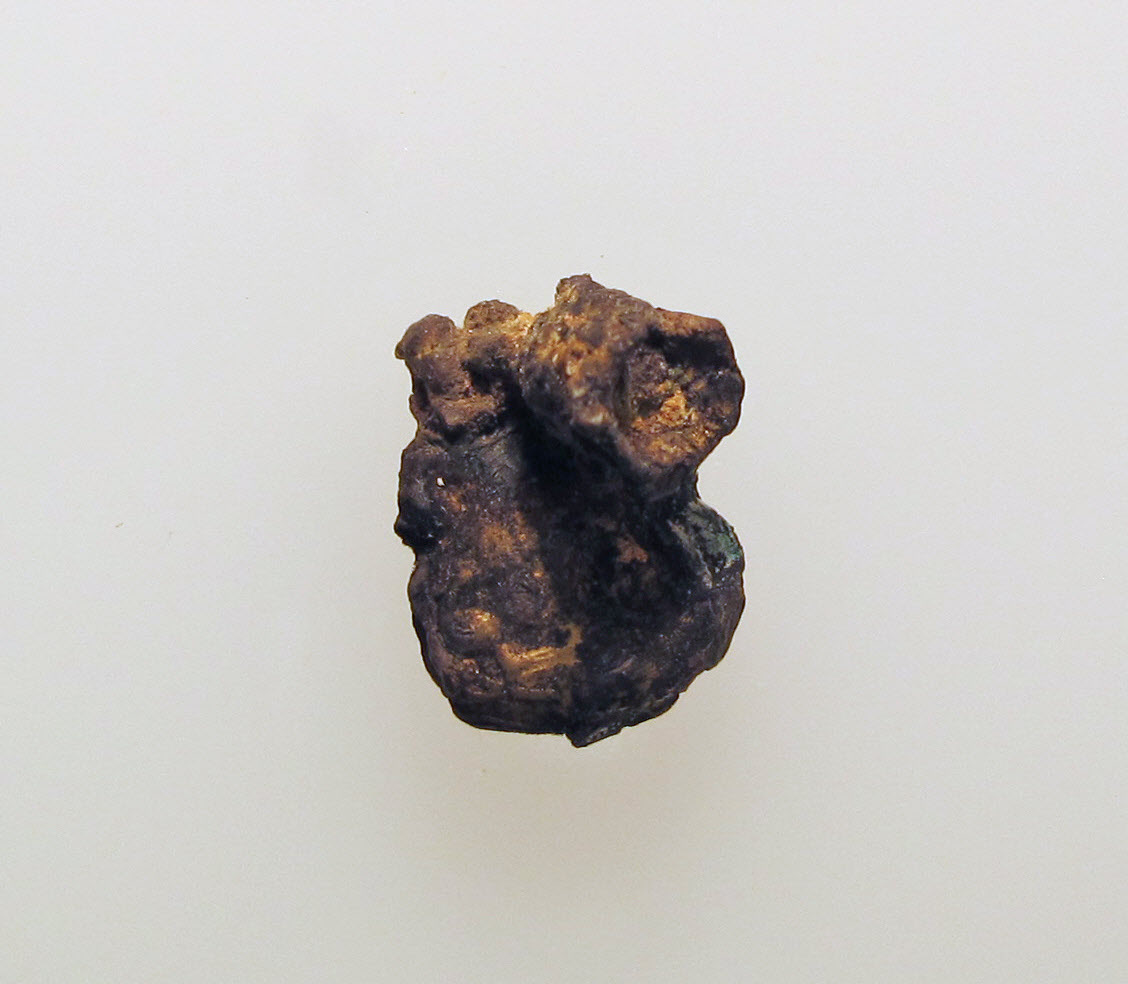
Heritage Analysis: The Cypriot Silver Pendant of Hathor
As Lead Heritage Curator for Katherine Fashion Lab, this strategic standalone research paper examines a Cypriot silver pendant depicting the head of the goddess Hathor. Dated to the Late Bronze Age (circa 1600–1050 BCE), this artifact represents a confluence of Egyptian religious symbolism and Cypriot metallurgical artistry. The pendant’s material—silver, a precious metal associated with lunar cycles, purity, and status—amplifies its spiritual and social significance. For a high-end luxury strategy targeting 2026, this pendant offers a blueprint for integrating ancient symbolic power into contemporary adornment, aligning with the rising demand for meaningful, heritage-infused luxury goods.
Symbolic Power: Hathor as a Divine Archetype
The Goddess of Multitudes
Hathor, one of the most venerated deities in the Egyptian pantheon, embodies a spectrum of domains: love, beauty, music, fertility, motherhood, and the afterlife. She is often depicted as a cow, a woman with cow horns, or a human head with bovine ears—the latter being the form captured in this Cypriot pendant. Her iconography conveys nurturing abundance and protective ferocity, a duality that resonates with modern luxury consumers seeking both comfort and empowerment. In a 2026 context, Hathor’s symbolic power can be leveraged to represent the multifaceted nature of the contemporary woman: a leader, a creator, a nurturer, and a guardian of heritage.
Cross-Cultural Syncretism
The presence of a Hathor pendant in Cyprus is not incidental. During the Late Bronze Age, Cyprus was a nexus of trade between Egypt, the Levant, and the Aegean. Cypriot artisans adopted Egyptian motifs, infusing them with local stylistic nuances. This pendant, therefore, is not merely an import but a hybrid artifact—a testament to cultural exchange and adaptation. For a luxury brand, this syncretism offers a powerful narrative: the ability to transcend geographical and temporal boundaries, creating objects that speak to a global, discerning clientele. The pendant’s silver medium, sourced from local Cypriot mines or traded from Anatolia, further underscores the idea of value through connection—a key tenet of luxury strategy.
Historical Adornment: Cypriot Craftsmanship and Silver Prestige
Metallurgical Mastery
Cyprus was renowned in antiquity for its copper resources, but silver objects such as this pendant required sophisticated trade networks and technical skill. The pendant’s construction—likely cast using the lost-wax method—demonstrates a high level of artistry. The subtle detailing of Hathor’s face, with her characteristic curved horns and serene expression, indicates a master artisan’s hand. In the context of historical adornment, such pendants were not everyday accessories; they were ritual objects worn by elites during ceremonies, funerary rites, or as amulets for divine protection. The silver itself, a metal more rare than gold in some periods, signified exclusivity and spiritual purity.
Adornment as Identity
In Cypriot society, jewelry served as a marker of status, ethnicity, and religious devotion. Wearing a Hathor pendant connected the bearer to the goddess’s powers, while also signaling cosmopolitan taste and access to foreign luxuries. For a 2026 high-end strategy, this pendant’s historical role as a status symbol and identity marker is directly translatable. Modern luxury consumers are increasingly seeking pieces that communicate personal values—sustainability, cultural appreciation, and spiritual depth. A silver pendant inspired by this Cypriot artifact can be positioned as a talisman of empowerment, bridging ancient wisdom with contemporary aesthetics.
Spiritual Meaning: Amuletic Protection and Cosmic Harmony
The Amuletic Tradition
In the ancient world, pendants were often imbued with apotropaic (protective) properties. Hathor, as a mother goddess and protector of the dead, was a popular choice for amulets. The silver pendant, worn close to the heart or throat, would have been believed to channel Hathor’s life-giving energy and ward off malevolent forces. The choice of silver is significant: associated with the moon, it was thought to enhance intuition, emotional balance, and spiritual receptivity. For a 2026 luxury consumer, these spiritual dimensions align with the growing interest in mindful luxury—objects that offer not just aesthetic pleasure but also emotional and metaphysical benefits.
Ritual and Daily Life
The pendant likely served a dual purpose: as a ritual object in temple contexts and as a personal amulet in daily life. This duality is a powerful concept for luxury strategy. A 2026 collection can emphasize the transformative power of adornment, positioning each piece as a tool for intention-setting and self-empowerment. The pendant’s design—a serene, regal face—can be reinterpreted as a symbol of inner strength and grace, resonating with consumers who seek authenticity and purpose in their purchases.
2026 High-End Luxury Strategy: Heritage as Competitive Advantage
Narrative-Driven Design
For Katherine Fashion Lab, the Cypriot Hathor pendant provides a rich narrative foundation. In 2026, luxury consumers—particularly Gen Z and Millennials—are disillusioned with mass-produced, logo-centric branding. They crave stories that connect them to history, culture, and meaning. The pendant’s journey from ancient Cyprus to the modern atelier can be framed as a heritage revival, emphasizing the craftsmanship, cross-cultural dialogue, and spiritual resonance. Each piece in a capsule collection could include a “heritage card” detailing the artifact’s origins and symbolic significance, transforming the purchase into an educational and emotional experience.
Material Integrity and Sustainability
Silver, as a precious metal, aligns with the luxury industry’s shift toward sustainable sourcing and ethical production. In 2026, consumers will demand transparency in supply chains. Katherine Fashion Lab can position its silver Hathor pendants as responsibly sourced, using recycled or fair-trade silver. This commitment to material integrity mirrors the ancient value placed on silver’s purity and rarity. Additionally, the pendant’s small, wearable form factor allows for versatile styling—a single piece can be worn as a statement, layered, or integrated into modular jewelry systems, appealing to the modern preference for investment pieces that transcend fast fashion.
Spiritual and Emotional Positioning
The 2026 luxury market will see a continued rise in wellness-driven consumption. Consumers are seeking products that enhance mental and emotional well-being. The Hathor pendant, with its amuletic history, can be marketed as a protective talisman for the modern age—a piece that offers a sense of calm, confidence, and spiritual connection. Collaborations with contemporary artists, wellness experts, or cultural historians could deepen this positioning. For instance, a limited-edition release might include a guided meditation or a digital certificate of authenticity that traces the pendant’s symbolic lineage.
Exclusivity Through Craftsmanship
Finally, the pendant’s handcrafted nature—echoing the lost-wax casting of its ancient predecessor—lends itself to artisanal luxury. In 2026, the value of handmade objects will only increase as automation saturates the market. Katherine Fashion Lab can produce a limited run of Hathor pendants, each with slight variations in patina or finish, making every piece unique. This approach not only honors the original Cypriot craftsmanship but also creates collectible desirability. The pendant becomes an heirloom, passed down through generations—a true asset in a world of ephemeral trends.
Conclusion
The Cypriot silver pendant of Hathor is far more than an archaeological curiosity; it is a strategic asset for a forward-thinking luxury brand. Its symbolic power, historical significance, spiritual depth, and material prestige offer a comprehensive framework for a 2026 high-end strategy. By embracing the pendant’s cross-cultural heritage and amuletic meaning, Katherine Fashion Lab can create a collection that resonates with the modern consumer’s desire for authenticity, purpose, and beauty. The Hathor pendant, in its ancient form, was a conduit for divine energy. In its modern incarnation, it can be a conduit for brand transcendence.