Heritage Analysis: The Spanish Rapier as a Symbol of Power and Precision
The Spanish rapier, a slender, sharply pointed sword designed for thrusting, stands as one of the most iconic artifacts of the Renaissance and early modern periods. For Katherine Fashion Lab, this object transcends its martial function, offering a rich lexicon of symbolic power, historical adornment, and spiritual meaning. As we prepare for the 2026 high-end luxury strategy, the rapier provides a compelling archetype of controlled strength, refined artistry, and personal sovereignty. This analysis deconstructs the rapier’s heritage to extract actionable insights for a luxury brand narrative rooted in precision, legacy, and transformation.
Symbolic Power: The Sword as a Signifier of Status and Authority
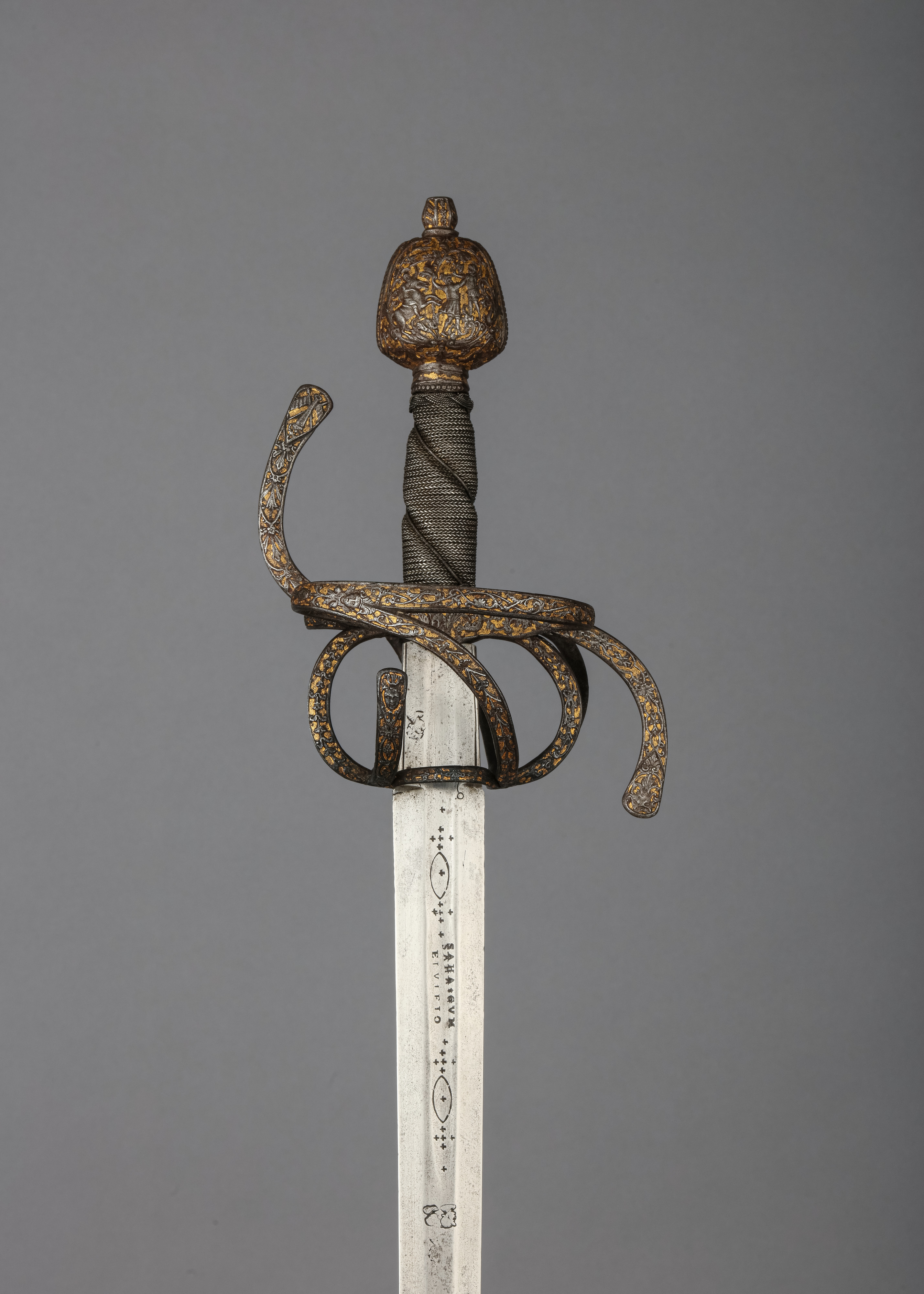
In Spanish society from the 15th to 17th centuries, the rapier was far more than a weapon; it was a definitive marker of social rank and masculine honor. Known as the espada ropera or “dress sword,” it was worn as an essential accessory by gentlemen, nobility, and the emerging bourgeois class. Its presence in courtly life signaled not only martial capability but also education, refinement, and the right to self-defense. The rapier’s slender blade and intricate hilt communicated a paradox: lethal efficiency wrapped in aesthetic elegance. This duality—the fusion of deadly function with decorative beauty—is a potent symbol for luxury. In a 2026 context, Katherine Fashion Lab can draw upon this symbolism to represent the modern individual who wields influence with grace, whose power is both visible and restrained. The rapier’s symbolism of controlled authority aligns with high-net-worth consumers who seek brands that embody quiet confidence and mastery, rather than ostentatious display.
Historical Adornment: The Art of the Hilt and the Language of Craft
The rapier’s medium—steel, wire, and gold—reveals a sophisticated hierarchy of adornment. The blade was typically forged from high-carbon Toledo steel, renowned for its flexibility and strength. The hilt, however, became the canvas for artistic expression. Guards, quillons, and pommels were wrapped with intricate wirework, often in brass, silver, or gold. The use of gold was reserved for the highest echelons of society, indicating wealth, taste, and patronage of master smiths. This detailed metalwork was not merely decorative; it served as a tactile and visual language. Gold inlay and wire wrapping created patterns that referenced family crests, religious iconography, or geometric Moorish designs, reflecting Spain’s multicultural heritage. For Katherine Fashion Lab, this historical emphasis on bespoke detailing offers a direct parallel to contemporary luxury. The rapier teaches that true luxury is found in the invisible seams, the weight of a material, and the precision of a handcrafted joint. A 2026 strategy should prioritize material storytelling—using steel for its resilience, wire for its intricate tension, and gold for its enduring value. Each element becomes a signature of the brand’s commitment to artistry over mass production.
Spiritual Meaning: The Rapier as a Tool of Transformation and Honor
Beyond the physical and social, the rapier carried profound spiritual and philosophical significance. In the Spanish Golden Age, the sword was often associated with the concept of honra—a deeply internalized code of honor that governed personal integrity, reputation, and moral duty. The rapier was the instrument through which one defended not just life, but one’s soul and legacy. This spiritual dimension is echoed in the ritual of the duel, where the rapier became a medium for truth and justice, a tool of transformation that could restore balance or avenge a slight. The act of drawing the sword was a moment of profound intention, a commitment to a higher principle. For the luxury consumer in 2026, this spiritual meaning translates into a desire for brands that align with personal values and authenticity. The rapier’s legacy suggests that luxury should not merely be owned, but wielded with purpose. Katherine Fashion Lab can position its collections as instruments of personal transformation—objects that empower the wearer to embody their own code of honor, whether that be creativity, resilience, or integrity. The spiritual narrative of the rapier invites a deeper connection, moving luxury from transaction to ritual.
Strategic Application: The Rapier in 2026 High-End Luxury Strategy
For Katherine Fashion Lab, the rapier is not a historical curiosity but a strategic blueprint for the future. The 2026 luxury market will be defined by a return to artisanal mastery, narrative depth, and symbolic resonance. The rapier offers three distinct strategic pillars:
1. Precision as a Brand Virtue. The rapier’s design is a study in efficiency—every line, curve, and weight serves a purpose. Luxury brands that adopt this philosophy will differentiate themselves through exacting craftsmanship and minimalism that is anything but simple. Collections should emphasize clean silhouettes, precise tailoring, and materials that speak to durability and refinement. The “rapier cut” in garment design—sharp, elongated, and deliberate—can become a signature aesthetic.
2. The Alchemy of Materials. The combination of steel, wire, and gold represents a hierarchy of value and function. Katherine Fashion Lab can adopt a material triad for its product lines: a foundational material (steel) for structure, an intermediate material (wire) for detail and tension, and a precious material (gold) for accent and investment. This approach creates a sensory experience where each element is felt and understood, elevating the product from commodity to heirloom.
3. The Narrative of Honor and Agency. The rapier’s spiritual dimension—honor, transformation, and intention—can be woven into brand storytelling. Marketing campaigns should focus on ritual and purpose, positioning the brand as a partner in the customer’s journey toward self-mastery. Limited editions, ceremonial packaging, and events that celebrate craftsmanship as a form of personal discipline will resonate with discerning clients seeking meaning alongside aesthetics.
In conclusion, the Spanish rapier is a masterclass in the convergence of power, art, and spirit. For Katherine Fashion Lab, it offers a timeless model for luxury that is both formidable and beautiful. As we move toward 2026, the rapier’s legacy reminds us that the most enduring brands are those that arm their clients with more than products—they provide symbols of identity, instruments of agency, and artifacts of a life well-lived. The challenge, and the opportunity, is to translate this heritage into a contemporary language of steel, wire, and gold, crafting a future where luxury is defined by purpose as much as by presence.