Heritage Analysis: The Shell Amulet – A Strategic Study for Katherine Fashion Lab
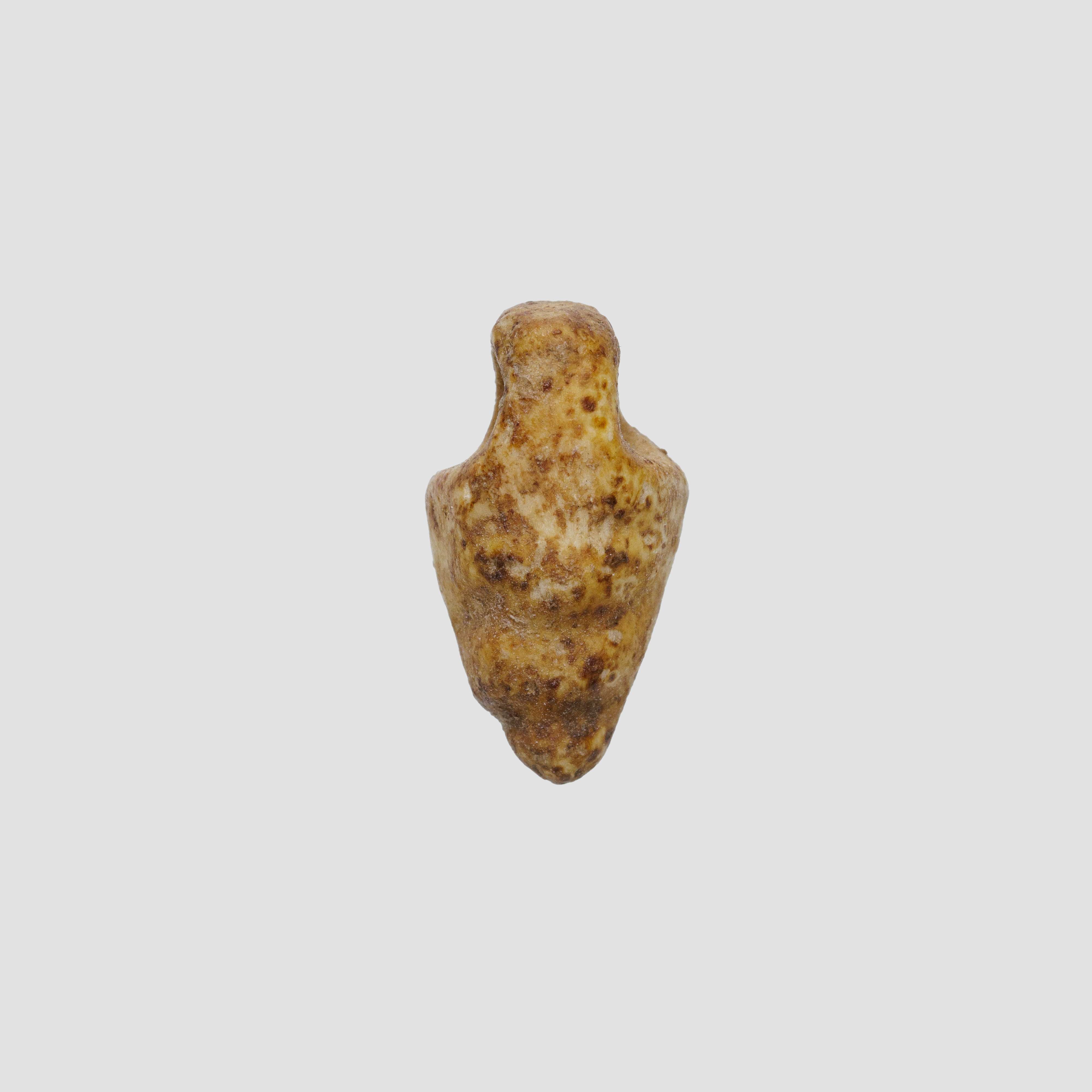
This analysis examines the symbolic power, historical adornment, and spiritual meaning of a shell-shaped amulet from an ancient civilization, crafted from ivory or bone. As a Lead Heritage Curator for Katherine Fashion Lab, I present this research to inform a high-end luxury strategy for 2026, leveraging the amulet’s deep cultural resonance to elevate brand narrative and product positioning. The amulet’s materiality—ivory or bone—and its form—a stylized shell—connect to universal themes of protection, fertility, and status, offering a strategic foundation for exclusive, heritage-driven collections.
Symbolic Power: The Shell as a Universal Emblem
The shell, across ancient civilizations from Mesopotamia to the Indus Valley, symbolized fertility, rebirth, and the divine feminine. Its spiral form mirrored cosmic cycles, while its association with water—the source of life—imbued it with protective and regenerative properties. In the context of this amulet, carved from ivory or bone, the material itself amplifies the symbolism. Ivory, sourced from elephant tusks or walrus teeth, represented purity, strength, and rarity in ancient societies, often reserved for elite or ritualistic objects. Bone, more accessible, conveyed endurance and ancestral connection, linking the wearer to lineage and the earth.
For Katherine Fashion Lab, this dual symbolism—shell as life-giver, ivory/bone as enduring material—offers a potent narrative for a 2026 luxury strategy. The amulet’s symbolic power can be translated into exclusive motifs for jewelry, accessories, or garment embellishments, where the shell form becomes a signature emblem of protection and renewal. By emphasizing the amulet’s role as a talisman, the brand can position its products as not merely decorative but as meaningful artifacts that confer status and spiritual security to the wearer.
Historical Adornment: From Ritual to Status Marker
In ancient civilizations, shell amulets were worn as personal ornaments by priests, warriors, and nobility, often suspended from necklaces or sewn onto garments. Archaeological evidence from sites like Mohenjo-daro and ancient Egyptian tombs reveals that such amulets were multifunctional: they were buried with the dead to ensure safe passage, worn during rituals to invoke deities, and displayed as markers of social rank. The use of ivory or bone further elevated their status, as these materials required skilled craftsmanship and access to rare resources, often controlled by elites.
This historical context informs a strategic product development approach for Katherine Fashion Lab. The brand can create a capsule collection inspired by the amulet’s form, using sustainable alternatives to ivory (e.g., tagua nut, recycled bone, or precious metals) to align with modern ethical standards. Each piece could be designed as a modular ornament—a pendant, a brooch, or a belt buckle—that echoes the amulet’s original versatility. The narrative would emphasize that the wearer is not just accessing a fashion item but inheriting a tradition of adornment that once signified power and protection.
Spiritual Meaning: The Amulet as a Bridge Between Worlds
The spiritual dimension of the shell amulet is profound. In many ancient belief systems, shells were seen as threshold objects, connecting the physical and spiritual realms. The spiral pattern, often incised or carved into the ivory or bone, represented the journey of the soul and the cyclical nature of existence. The amulet’s placement on the body—near the heart, throat, or waist—was deliberate, designed to channel protective energies and ward off evil spirits. For instance, in ancient Mesopotamia, shell amulets were inscribed with prayers or symbols of deities like Ishtar, enhancing their spiritual potency.
For Katherine Fashion Lab’s 2026 luxury strategy, this spiritual meaning can be harnessed through experiential marketing and storytelling. The brand could offer a limited-edition “Amulet Collection,” where each piece includes a certificate of provenance detailing the ancient symbolism and a ritual guide for the wearer. This transforms the product into a personal talisman, appealing to affluent consumers seeking authenticity and emotional connection. The spiritual narrative also supports a wellness-oriented luxury position, aligning with trends in mindful consumption and holistic living.
2026 High-End Luxury Strategy: Heritage as Competitive Advantage
To integrate this heritage analysis into a commercially viable strategy for 2026, Katherine Fashion Lab must focus on three pillars: exclusivity, storytelling, and sustainability.
Exclusivity can be achieved through limited-edition runs of shell-inspired pieces, using precious materials like 18-karat gold or ethically sourced bone. Each piece should be numbered and accompanied by a digital heritage dossier, including 3D scans of the original amulet and scholarly commentary. This creates a sense of rarity and ownership that justifies a premium price point.
Storytelling is central. Katherine Fashion Lab should produce a short documentary or a curated exhibition (physical or virtual) that explores the amulet’s journey from ancient civilization to modern luxury. This content can be shared via exclusive client events, social media campaigns, and in-store displays, positioning the brand as a custodian of cultural heritage. The shell motif can become a brand icon, recurring across collections as a subtle nod to the amulet’s enduring power.
Sustainability is non-negotiable for 2026 luxury consumers. The brand must transparently source materials and collaborate with artisanal communities skilled in bone or ivory carving (using legal, recycled sources). This not only ensures ethical compliance but also adds a layer of social impact to the product, appealing to values-driven buyers. The amulet’s original material—ivory or bone—can be reimagined using bio-resins or lab-grown alternatives, maintaining the aesthetic while aligning with conservation goals.
Conclusion: The Amulet as a Strategic Asset
The shell amulet, in its ancient form of ivory or bone, offers Katherine Fashion Lab a rich repository of symbolic, historical, and spiritual meanings that can be strategically deployed for 2026. By focusing on its protective symbolism, its role as a status marker, and its spiritual depth, the brand can craft a high-end luxury narrative that differentiates it in a saturated market. The amulet is not merely a design reference; it is a strategic asset that connects past and present, ritual and fashion, exclusivity and ethics. Katherine Fashion Lab is positioned to lead this heritage-driven renaissance, offering clients not just products but legacies in miniature.