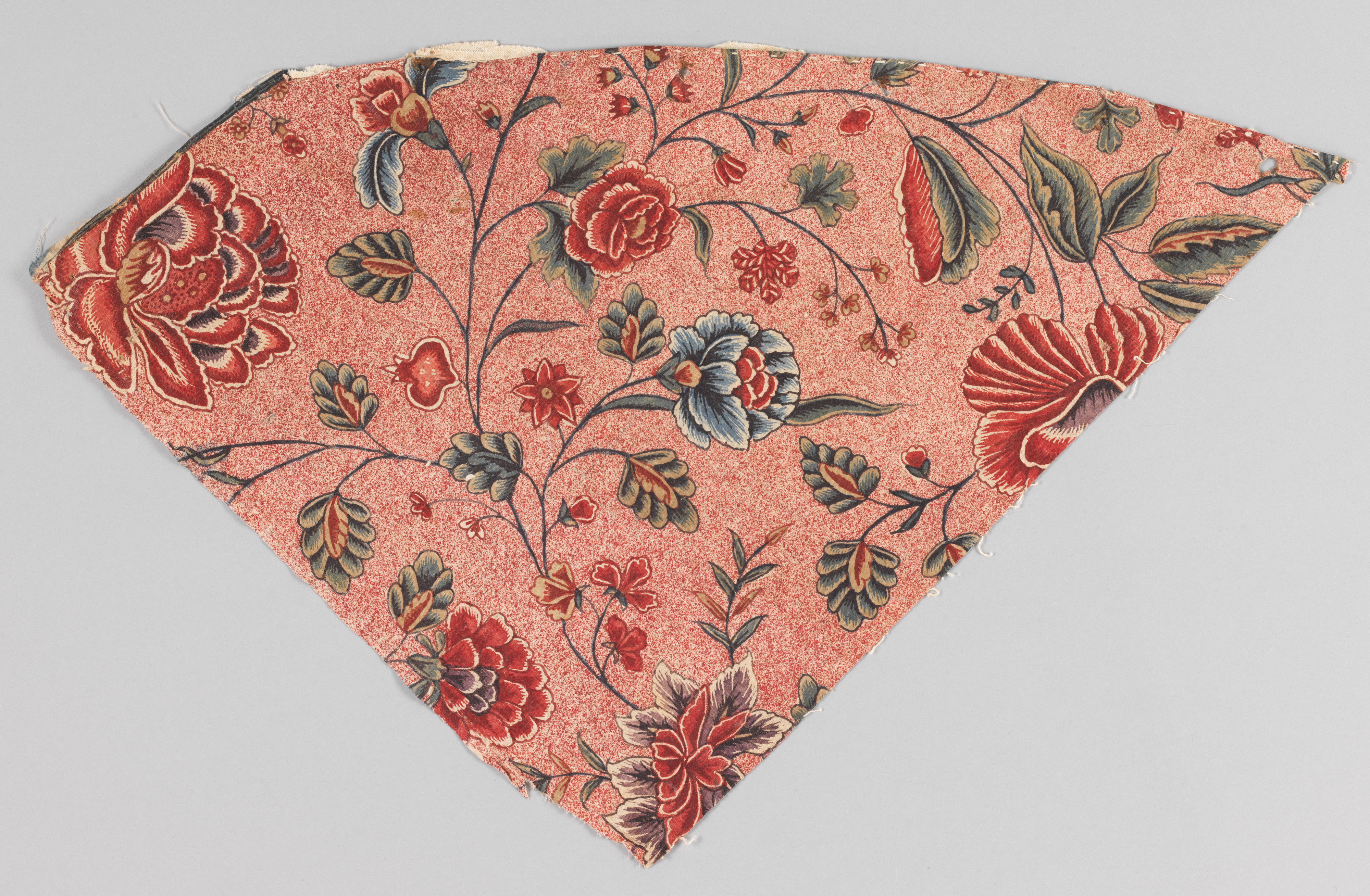
Heritage Analysis: Fragment of Indian Chintz
Introduction: The Fragment as a Strategic Artifact
In the context of Katherine Fashion Lab’s commitment to heritage-informed luxury, the fragment of Indian chintz—a cotton textile dyed and printed with intricate floral and geometric motifs—represents a pivotal artifact for strategic standalone research. Originating from an ancient civilization that thrived along the Indian subcontinent’s trade routes, this fragment is not merely a remnant of cloth; it is a repository of symbolic power, historical adornment, and spiritual meaning. As we approach 2026, the high-end luxury market demands narratives that transcend materialism, offering consumers a connection to timeless craftsmanship and cultural depth. This analysis deconstructs the chintz fragment’s layered significance and proposes a forward-looking strategy for integrating its essence into Katherine Fashion Lab’s luxury positioning.
Symbolic Power: The Language of Motifs
The symbolic power of Indian chintz lies in its visual lexicon. Floral patterns—particularly the lotus, rose, and jasmine—dominate the fragment’s design. In ancient Indian cosmology, the lotus symbolizes purity, spiritual awakening, and divine beauty, often associated with deities like Lakshmi and Saraswati. The rose, introduced via Persian influences, represents love and transcendence, while jasmine signifies sensuality and grace. These motifs were not arbitrary; they communicated social status, religious devotion, and regional identity. For Katherine Fashion Lab, this symbolic language offers a palette for modern adornment that resonates with contemporary consumers seeking authenticity. In 2026, high-end luxury brands can leverage such symbols to create pieces that are not only aesthetically striking but also imbued with narrative weight—a counterpoint to fast-fashion superficiality.
Moreover, the geometric borders and repeating patterns in the fragment reflect the ancient Indian understanding of cosmic order (rita). The use of red, indigo, and madder dyes—derived from natural sources—carried protective and auspicious connotations. Red, for instance, was associated with fertility and marital bliss, while indigo evoked the infinite sky and spiritual depth. For a luxury strategy, these colors can be reinterpreted in limited-edition collections, using sustainable dyeing techniques that echo the fragment’s eco-conscious origins. The symbolic power of chintz, therefore, is not static; it is a dynamic tool for storytelling that aligns with the 2026 consumer’s desire for purpose-driven luxury.
Historical Adornment: From Royal Courts to Global Trade
Historically, Indian chintz was a marker of elite adornment. From the Mughal courts to the palaces of Southeast Asia and Europe, chintz textiles were prized for their vivid, colorfast designs. The fragment’s cotton medium—lightweight yet durable—made it ideal for garments, draperies, and ceremonial objects. In ancient India, chintz was often used in temple rituals and royal processions, signifying wealth and divine favor. The trade of chintz along the Silk Road and later European colonial routes transformed it into a global commodity, influencing fashion from the 17th to 19th centuries. This historical trajectory underscores chintz’s role as a bridge between cultures—a testament to its enduring appeal.
For Katherine Fashion Lab, this historical context is invaluable. The fragment serves as a case study in how adornment can transcend time and geography. In 2026, high-end luxury strategies can draw from this legacy by positioning chintz-inspired designs as heirloom pieces—items that carry the weight of history while remaining relevant. Consider a capsule collection that reimagines the fragment’s patterns in silk or organic cotton, paired with modern silhouettes. The narrative could emphasize the artisanship of Indian block-printing or hand-dyeing, aligning with the luxury market’s growing emphasis on artisanal heritage. By framing chintz as a symbol of cross-cultural exchange, Katherine Fashion Lab can appeal to a global clientele that values both exclusivity and cultural literacy.
Spiritual Meaning: The Thread of Transcendence
The spiritual meaning embedded in the chintz fragment is profound. In ancient Indian philosophy, textiles were considered extensions of the self—a means to connect the material and spiritual worlds. The fragment’s motifs often incorporated mandalas, lotus petals, and celestial patterns, which served as meditative aids during rituals. Wearing chintz was believed to invoke protection, prosperity, and spiritual alignment. The cotton medium itself, derived from the earth, symbolized humility and purity, contrasting with the opulence of silk or gold. This duality—earthly materiality and spiritual aspiration—is a powerful concept for luxury branding.
In 2026, as consumers increasingly seek mindfulness and wellness, luxury brands can integrate spiritual meaning into their offerings. Katherine Fashion Lab could develop a “Chintz Meditation” line, where garments and accessories are designed to be worn during yoga, meditation, or daily rituals. The fragment’s patterns could be digitized and applied to breathable, sustainable fabrics, with each piece accompanied by a narrative of its symbolic origins. This approach transforms the act of adornment into a spiritual practice, differentiating the brand in a crowded market. Furthermore, collaborations with artisans from India’s textile hubs—such as Gujarat or Andhra Pradesh—could ensure authenticity while supporting traditional livelihoods. The spiritual meaning of chintz, thus, becomes a cornerstone of a luxury strategy that prioritizes inner fulfillment over external display.
2026 High-End Luxury Strategy: From Fragment to Franchise
To operationalize these insights, Katherine Fashion Lab must adopt a strategic framework that positions the chintz fragment as a catalyst for innovation. The following pillars are recommended:
1. Heritage-Driven Product Development: Launch a limited-edition “Chintz Revival” collection featuring reinterpreted motifs on premium cotton, silk, and cashmere. Each piece will include a digital provenance tag that traces the design’s origins, satisfying the 2026 consumer’s demand for transparency and storytelling.
2. Experiential Retail and Digital Integration: Create immersive retail spaces that simulate an ancient Indian courtyard, complete with interactive displays on block-printing and dyeing. Augmented reality (AR) features could allow customers to see the fragment’s patterns animated with symbolic meanings, enhancing purchase intent. This aligns with the luxury trend toward experience over product.
3. Collaborative Artisanship: Partner with master weavers and dyers from India to produce exclusive, handmade pieces. This not only preserves traditional knowledge but also creates a scarcity-driven value proposition. In 2026, luxury is defined by rarity and ethical sourcing—both of which this strategy delivers.
4. Spiritual Wellness Marketing: Position the collection within the wellness luxury segment. Campaigns could emphasize the meditative qualities of chintz patterns, using imagery of serene rituals and natural landscapes. This taps into the growing market for “conscious luxury,” where consumers invest in items that enhance mental and emotional well-being.
5. Archival and Educational Initiatives: Establish a digital archive of chintz fragments, accessible via the brand’s website. This positions Katherine Fashion Lab as a thought leader in heritage textiles, attracting connoisseurs and scholars. Exclusive webinars with curators and historians could further deepen customer engagement.
Conclusion: The Fragment as a Strategic Imperative
The fragment of Indian chintz is far more than a historical curiosity; it is a strategic asset for Katherine Fashion Lab’s 2026 luxury vision. Its symbolic power, historical adornment legacy, and spiritual meaning offer a rich tapestry for brand differentiation. By weaving these elements into product development, retail experience, and marketing, the lab can create a narrative that resonates with discerning consumers who seek authenticity, purpose, and beauty. In an era where luxury is increasingly defined by cultural intelligence and ethical resonance, the chintz fragment stands as a testament to the enduring value of heritage—a fragment that, when strategically curated, becomes a cornerstone of modern luxury.