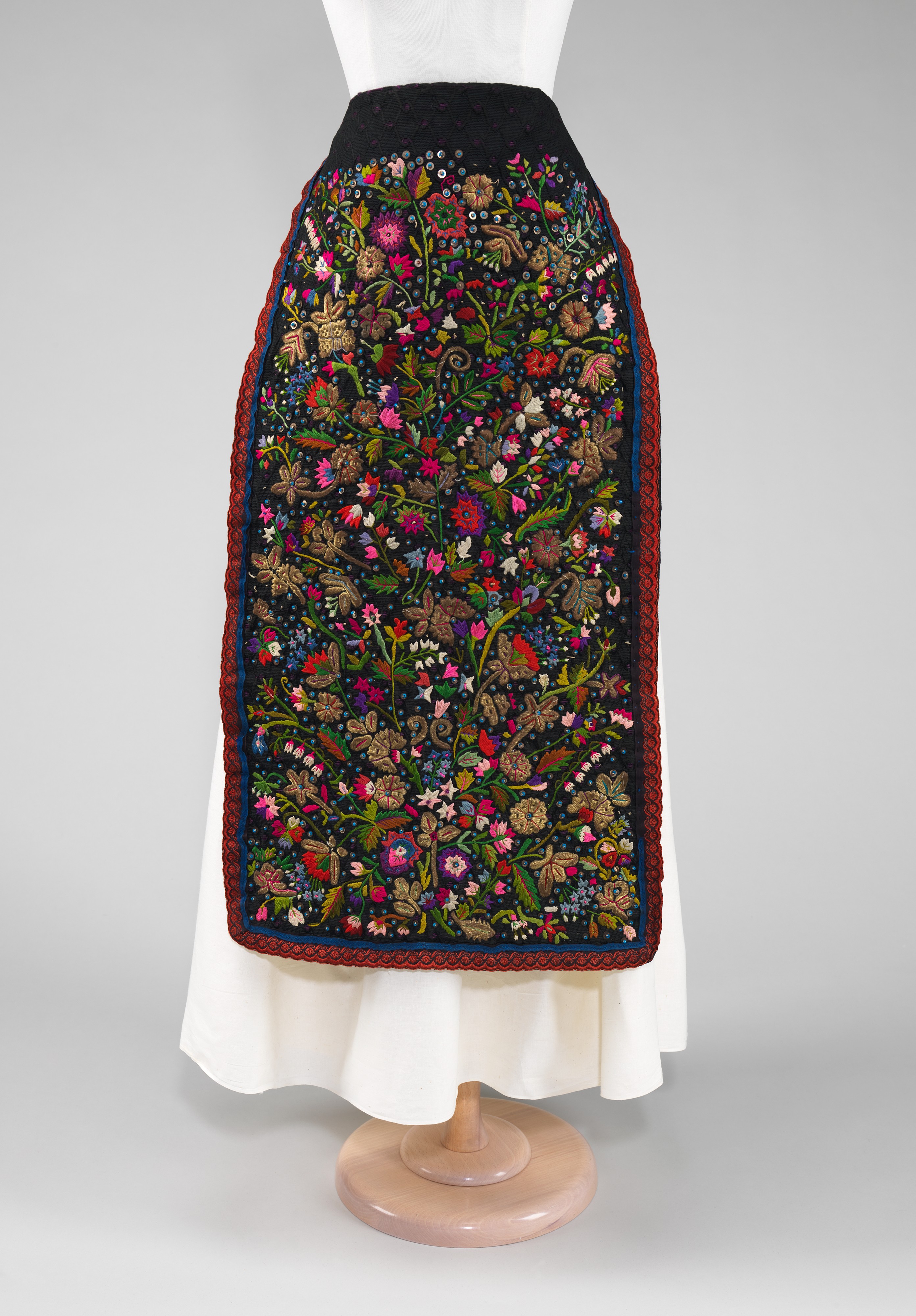
The Apron Reimagined: A Study in Global Heritage and Couture Artistry
In the hallowed halls of Katherine Fashion Lab, the apron—a garment historically relegated to the utilitarian realms of kitchen, forge, and workshop—undergoes a profound metamorphosis. This standalone study elevates the apron from its humble origins to a masterpiece of couture, a testament to the fusion of global heritage and avant-garde materiality. Drawing from a rich tapestry of cultural traditions and employing an audacious palette of silk, metal, linen, and glass, the Lab presents an apron that is not merely worn but experienced. It is a narrative of labor, luxury, and lineage, reimagined for the discerning connoisseur of fashion as art.
Deconstructing the Archetype: From Utility to Icon
The apron’s historical DNA is embedded in its very silhouette: a protective shield against the rigors of daily toil. From the leather aprons of medieval blacksmiths to the starched white versions of Victorian housemaids, and the intricately embroidered dirndl aprons of Alpine tradition, this garment has always spoken of function. Yet, in the hands of Katherine Fashion Lab, function becomes a springboard for poetic expression. The design team deconstructs this archetype, preserving its essential geometry—the bib, the waist ties, the sweeping skirt—while stripping away any residue of the mundane. The result is a piece that retains the apron’s symbolic weight as a marker of identity and duty, but now reframes it as a vessel for haute couture innovation.
This recontextualization is deliberate. In a fashion landscape often dominated by the ephemeral, the apron stands as a counterpoint: a garment of permanence, of repeated action. The Lab honors this by treating the apron as a standalone study, independent of any ensemble. It is not an accessory; it is the thesis. The wearer becomes a curator of their own narrative, draped in a piece that demands contemplation rather than casual wear. This is couture as intellectual exercise.
Material Alchemy: Silk, Linen, Metal, and Glass
The genius of this piece lies in its material dialogue. The Lab orchestrates a conversation between four distinct elements, each chosen for its historical resonance and textural contrast. The primary structure is crafted from a heavy, raw linen—its organic, slightly irregular weave evoking the earthy authenticity of peasant aprons from Provence to the Andes. Linen, a fiber of ancient lineage, grounds the design in a tactile reality. But this is no simple fabric. The linen is hand-dyed using a labor-intensive indigo process, yielding a deep, almost nocturnal blue that shifts under light, a nod to the shibori traditions of Japan and the indigo pits of West Africa.
Upon this foundation, the Lab introduces silk in a radical departure. Panels of charmeuse, in hues of oxidized silver and pale gold, are inset into the bib and skirt. These are not mere embellishments; they are structural interventions, creating a play of opacity and sheen. The silk, sourced from a family-run atelier in Como, Italy, is woven with a subtle herringbone pattern that echoes the linen’s texture, uniting the two fibers in a visual handshake. The contrast is deliberate: linen’s stoic strength meets silk’s luminous fluidity, a metaphor for the dual nature of labor—both grounding and aspirational.
Then comes metal, not as hardware but as textile. Fine chains of brushed brass are hand-stitched along the apron’s edges, forming a delicate filigree that traces the contours of the bib and the hem. These chains catch and scatter light, creating a kinetic shimmer that transforms the apron into a moving sculpture. The metal is chosen for its warmth and historical weight—brass has been used in ceremonial adornment from the Benin bronzes to the armor of samurai. Here, it serves as a boundary, a gilded frame that elevates the apron from workwear to regalia. The chains are not merely decorative; they produce a soft, resonant clink with movement, an auditory reminder of the garment’s former life as a tool of industry.
Finally, glass enters the composition in the form of hand-blown Murano beads, each a tiny orb of liquid color. These beads are clustered at the intersection of the silk and linen panels, forming an abstract constellation that suggests maps of ancient trade routes. The glass is translucent, catching and refracting light in prismatic bursts, evoking the preciousness of Venetian glass beads that once traversed the Silk Road. Each bead is individually knotted onto fine silk thread, a process that requires days of meticulous labor. The fragility of glass against the resilience of linen and metal creates a tension that is the heart of the piece: beauty born of risk.
Construction and Silhouette: Architecture of the Body
The apron’s construction is a masterclass in couture tailoring. The bib is shaped with a subtle, boned understructure—using whalebone-like resin—to maintain its architectural integrity while allowing the silk panels to drape fluidly. The waist ties are not simple ribbons but woven bands of linen and brass thread, terminating in glass bead tassels that sway with each step. The skirt is cut on the bias, a technique borrowed from classic evening gowns, allowing the linen to fall in soft, voluminous folds that belie its weight. The hem is asymmetrical, dipping lower at the back to create a train-like effect, a deliberate nod to the ceremonial aprons of indigenous cultures, such as the huipil of Mesoamerica or the pinafore of Slavic folk dress.
The apron fastens at the back with a series of hand-carved bone buttons, each one unique, wrapped in brass wire. This closure system is a study in contrast: the organic bone against the cold metal, the repetitive act of buttoning becoming a ritual of dressing. The overall silhouette is both protective and inviting—a shield that does not retreat but presents itself to the world. It is a garment that demands the wearer stand tall, shoulders back, as if prepared for a ceremony of labor.
Global Heritage: A Tapestry of Influences
This apron is a cartography of global heritage. The indigo dyeing technique references the shibori masters of Japan and the adire artists of Nigeria. The brass chain filigree echoes the metalwork of the Mughal Empire and the Celtic knot traditions of Ireland. The glass beads pay homage to the Venetian glassmakers of Murano and the trade beads that connected Venice to the African continent. The linen itself is a nod to the flax fields of Northern Europe and the ancient Egyptian reverence for the fiber. The Lab has curated these influences not as a pastiche but as a cohesive dialogue, each element speaking to a shared history of human craftsmanship.
The apron thus becomes a wearable archive, a garment that tells a story of exchange and adaptation. It is a piece that could only emerge from a globalized world, yet it does so with a profound respect for the origins of its materials and techniques. In this, Katherine Fashion Lab aligns with the ethos of slow fashion and cultural preservation, elevating the apron beyond trend into timeless artifact.
Conclusion: The Apron as a Standalone Statement
In this standalone study, the apron transcends its past. It is no longer a symbol of service but of sovereignty. The wearer is not a cook or a craftsman but a custodian of heritage, a living canvas for the interplay of silk, linen, metal, and glass. Katherine Fashion Lab has achieved something rare: a garment that is intellectually rigorous, materially innovative, and emotionally resonant. It is a call to reconsider the everyday, to see the poetry in the practical. This apron is not for the faint of heart—it is for the visionary who understands that couture is not about decoration but about transformation. It is, in every sense, a masterpiece.