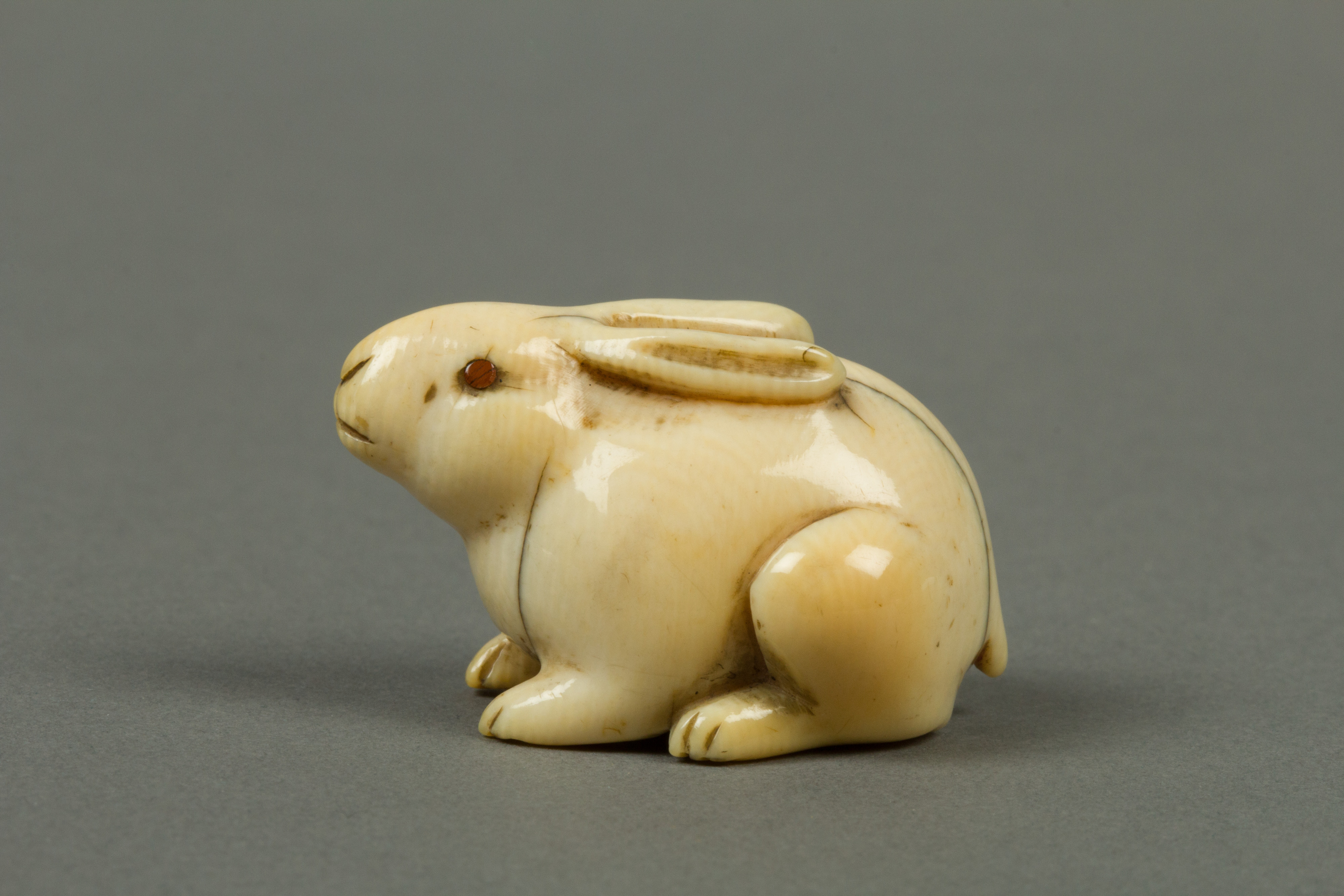
Strategic Heritage Analysis: The Netsuke of the Rabbit
For Katherine Fashion Lab, heritage is not a static archive but a dynamic lexicon of symbolic power. This strategic standalone research examines the Japanese ivory netsuke depicting the rabbit, an artifact of profound cultural density. Our analysis deconstructs its historical, spiritual, and aesthetic codes to architect a forward-facing luxury strategy for 2026. In an era where luxury demands authenticity and narrative depth, this object transcends mere ornamentation; it embodies a complete philosophy of subtlety, connection, and auspicious intent. The rabbit netsuke becomes a blueprint for embedding timeless meaning into contemporary luxury, moving beyond logo-centric branding to a more resonant, talismanic engagement with the discerning client.
Historical Adornment and Functional Artistry
The netsuke originated in the Edo period (1603-1868) as a pragmatic yet artistic solution. As the kimono had no pockets, men suspended essential items (inrō, pouches) from their obi sash via a cord, with the netsuke acting as a toggle to secure the ensemble. This functional genesis is critical: it was an object of daily utility elevated to high art. Crafted from ivory, wood, or lacquer, each netsuke was a miniature sculpture, its subject matter ranging from folklore and nature to the zodiac. The ivory rabbit netsuke, therefore, was not merely decorative; it was a personal, tactile companion, a reflection of the wearer’s status, taste, and spiritual inclinations. Its small scale demanded intimate appreciation, inviting touch and close inspection, a principle that directly informs modern luxury's emphasis on craftsmanship and sensory experience. For Katherine Fashion Lab, this history reframes accessories as functional anchors of identity, where every detail carries the weight of intentional design and narrative purpose.
Symbolic and Spiritual Resonance
The rabbit (usagi) in Japanese culture is a vessel of layered, potent symbolism. Primarily associated with the moon in East Asian folklore, it is the creature that pounds mochi (rice cakes) in the lunar craters, symbolizing creation, eternity, and the cyclical nature of time. This celestial link imbues the figure with a sense of serene mystery and otherworldly wisdom. Furthermore, in the Shinto tradition, rabbits are often seen as messengers of the gods, and their prolific nature makes them emblems of fertility, abundance, and swift progress. In the context of the Chinese zodiac, adopted into Japanese culture, the rabbit signifies elegance, caution, and diplomatic skill—traits of the refined aristocrat. An ivory netsuke capturing this form was thus a talisman, a wearable piece of spiritual armor intended to attract good fortune, wisdom, and prosperity for its bearer. This transforms the object from artifact to a confluence of cosmic narrative and personal aspiration.
Deconstruction for Contemporary Luxury Strategy (2026 Outlook)
The 2026 luxury landscape will be defined by intelligent consumption, material innovation, and a deep hunger for authentic stories with emotional utility. The rabbit netsuke provides a strategic framework to meet these demands across four pillars.
Pillar 1: Talismanic Design & Symbolic Power
Future luxury will pivot from overt branding to personal symbolism. Katherine Fashion Lab can interpret the netsuke not as a literal motif but as a system of codes. A 2026 collection could introduce "The Usagi Code": subtle, abstracted references to the rabbit's form (the curve of an ear translated into a bag's clasp, the lunar circle as a hardware motif) embedded into leather goods, jewelry, and apparel. Each piece is accompanied by a "symbolic dossier," digitally accessed via NFC, explaining its heritage and intended auspicious meaning—be it for wisdom, agility, or prosperity. This creates an intimate, client-specific narrative, elevating the product to a modern talisman.
Pillar 2: Material Alchemy & Craft Revival
The use of ivory, now ethically untenable, presents an opportunity for visionary material innovation. The strategy for 2026 involves "neo-ivory" alchemy—developing proprietary, sustainable composites with the same warm, carvable tactility, perhaps derived from plant-based resins or lab-grown minerals. This honors the original medium's essence while championing futuristic ethics. Furthermore, collaborating with modern *kogei* (craft) artisans to adapt netsuke-level miniature sculptural techniques onto metal hardware or textile embellishments would resurrect a rarefied craft, creating unparalleled points of differentiation and storytelling around artisanal investment.
Pillar 3: The Philosophy of Intimate Scale
Countering maximalism, the netsuke teaches the power of the intimate and the detailed. The 2026 strategy should emphasize "micro-luxury"—exceptional craftsmanship focused on the often-unseen: the interior lining of a coat embroidered with a microscopic lunar landscape, the weight and engraving of a zipper pull, the scent of the leather treatment. This rewards the client's discovery and cultivates a deeper, more personal bond with the object, mirroring the private appreciation of a netsuke in the palm of one's hand.
Pillar 4: Cultural Dialogue, Not Appropriation
The critical strategic imperative is to move from appropriation to respectful, knowledgeable dialogue. This involves long-term partnerships with Japanese cultural foundations, commissioning scholarly essays on the symbolism, and ensuring representation in the creative process. The narrative must be one of inspiration and translation, not replication. For the 2026 client, provenance of idea is as crucial as provenance of material; they invest in intelligence and cultural integrity.
Conclusion: The Netsuke as Strategic Blueprint
The ivory netsuke of the rabbit is a compact universe of strategic insight for Katherine Fashion Lab. It demonstrates how an object of adornment can be functional, spiritual, and artistic simultaneously. By deconstructing its historical context, symbolic density, and material philosophy, we extract a robust framework for 2026 high-end luxury: talismanic narrative, innovative materiality, intimate craftsmanship, and authentic cultural dialogue. This approach positions the Lab not as a follower of trends, but as a curator of meaning, creating legacy objects for a clientele that seeks not just to own beauty, but to wear a story of wisdom, agility, and auspicious intent—a truly modern form of spiritual armor.