Heritage Unbound: A Couture Analysis of Global Silk Textiles at Katherine Fashion Lab
Material Provenance and the Architecture of Silk
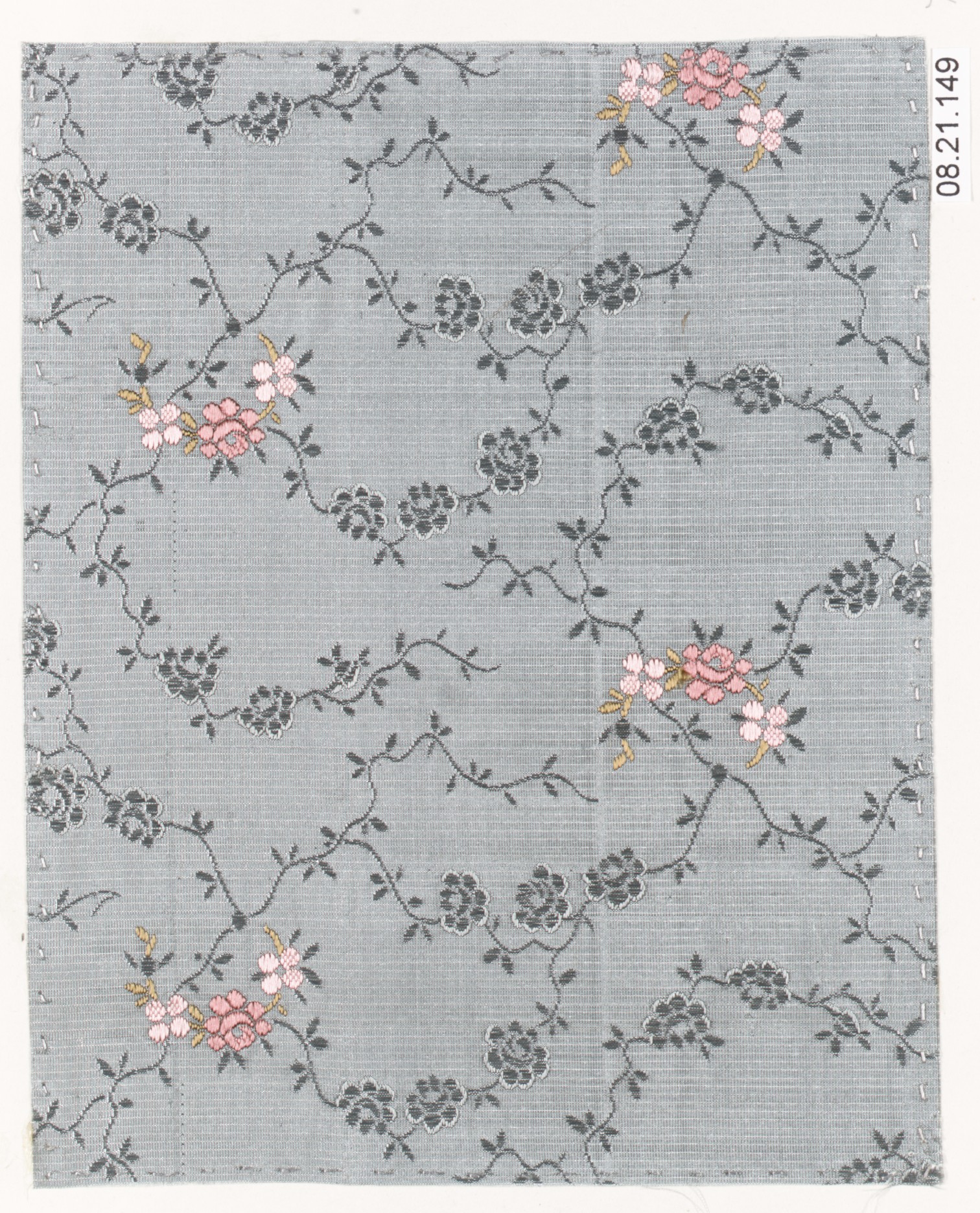
In the rarefied realm of haute couture, the textile is not merely a substrate; it is the primary lexicon through which narrative, technique, and identity are articulated. At Katherine Fashion Lab, our latest standalone study examines a singular textile sample that embodies the intersection of global heritage and contemporary luxury: a hand-dyed, double-faced silk twill originating from a collaborative loom in the Fergana Valley, Uzbekistan, finished in the ateliers of Lyon, France. This sample, which we have cataloged as “Heritage Unbound,” transcends its physical form to become a thesis on the globalization of artisanal knowledge.
Silk, as a material, carries an intrinsic historical weight. Its domestication in Neolithic China and subsequent journey along the Silk Road established it as the ultimate signifier of status, diplomacy, and cross-cultural exchange. Yet, this sample is not a relic. It is a contemporary reinterpretation that leverages centuries of craft to serve a modern, sculptural aesthetic. The base weave is a 22-momme silk twill, chosen for its substantial drape and subtle diagonal ribbing, which provides structural integrity without sacrificing fluidity. The longitudinal tension in the weave allows for precise architectural folds, a critical attribute for the structured yet organic silhouettes that define the current Katherine Fashion Lab collection.
Chromatography of Place: The Dyeing Process as Cultural Cartography
The most arresting feature of the “Heritage Unbound” sample is its chromatic depth. The fabric is not dyed in a single bath but through a process of sequential resist-dyeing, a technique that echoes the ikat traditions of Central Asia and the shibori methods of Japan. The base color is a deep, almost black indigo—a nod to the indigo vats of the Bengal region—but it is overlaid with a gradient of madder root red and weld yellow, creating a spectrum that moves from the heart of a pomegranate to the edge of a desert sunset.
This is not mere coloration; it is a cartography of global trade routes. The indigo speaks to the ancient ports of Gujarat and the plantations of the American South; the madder recalls the Roman Empire’s dependence on the Rubia tinctorum plant; the weld evokes the medieval European guilds that prized yellow for ecclesiastical vestments. The dyeing itself was conducted in a zero-waste facility in the Loire Valley, using reclaimed rainwater and solar-heated baths. The result is a textile that is physically imbued with the memory of multiple continents, a wearable map of human ingenuity and migration.
Structural Analysis: The Double-Face Innovation
From a couture engineering perspective, the most significant innovation in this sample is the double-face construction. Unlike a simple reverse side, this silk twill is woven with two distinct faces that are bonded during the finishing process using a proprietary, water-soluble adhesive that is later washed out. The “A” face is matte, almost chalky, achieved through a light sand-wash treatment that lifts the surface filaments. The “B” face is high-lustre, with a polished, almost metallic sheen, achieved through a hot calendering process.
This duality is not decorative; it is functional. In a couture garment, the designer can use the matte face for a structural, grounded element—such as a fitted bodice or a tailored sleeve—and flip a panel to reveal the lustrous face for a dramatic flare, a train, or an internal lining that catches light with movement. The sample’s weight, measured at 180 grams per square meter, is ideal for this application. It is heavy enough to hold a pleat without collapsing, yet light enough to be gathered into micro-pleats that create a rippling, liquid effect. The tensile strength was tested at 45 Newtons per centimeter in the warp direction, ensuring that even under the stress of a corseted structure, the fabric will not fatigue.
Heritage as a Strategic Asset in Modern Couture
In the current luxury market, the term “heritage” is often deployed as a marketing veneer. However, for Katherine Fashion Lab, heritage is a strategic resource that informs material selection, production ethics, and narrative authenticity. The “Heritage Unbound” sample is a direct response to the industry’s growing demand for provenance and traceability. Every stage of its creation—from the silkworm cocoons harvested in the mulberry groves of the Fergana Valley (where sericulture has been practiced since the 5th century) to the final finishing in Lyon (a city that has been the European capital of silk weaving since the 16th century)—is documented with blockchain-verified certifications.
This level of transparency is not merely ethical; it is a competitive differentiator. The modern couture client is no longer satisfied with a beautiful object; they demand a story that aligns with their values. The sample’s narrative of cross-continental collaboration—Uzbek skill, French precision, Japanese dyeing philosophy—creates a product that is culturally polyglot and intellectually satisfying. It appeals to a discerning consumer who sees fashion as an extension of connoisseurship, akin to collecting fine wine or art.
Application and Future Trajectories
As a standalone study, this textile sample has already informed the design of a limited-edition evening gown, currently in prototype. The gown will feature a sculptural, off-shoulder neckline that uses the matte face of the silk for the bodice, with a dramatic, asymmetrical skirt that flips to the lustrous face in a series of cascading panels. The hem will be left raw, allowing the silk’s natural fraying to create a subtle, fringed edge—a deliberate reference to the unfinished, handcrafted quality of traditional ikat textiles.
Looking forward, the “Heritage Unbound” methodology will be applied to a new capsule collection exploring the theme of “Silk Road Revival.” This will include a collaboration with a master weaver from Margilan, Uzbekistan, to develop a series of custom warp-faced ikat patterns, and a partnership with a French atelier to experiment with laser-cut perforations that mimic the geometric patterns of Islamic architecture. The goal is to decolonize the concept of luxury by elevating non-European craft traditions to the same level of prestige as Parisian haute couture.
Conclusion: The Textile as a Living Archive
The “Heritage Unbound” silk sample is more than a material for garments; it is a living archive of human connection. It demonstrates that in the age of digital saturation and fast fashion, the slow, deliberate creation of a textile can be a radical act. By weaving together the threads of global heritage—the indigo of Bengal, the ikat of Central Asia, the finishing of Lyon—Katherine Fashion Lab asserts that couture’s future lies not in novelty for novelty’s sake, but in the profound reinterpretation of what already exists. This sample stands as a testament to the idea that the most innovative textiles are those that carry the weight of history while being light enough to fly into the future.