Deconstructing the Kimono Silhouette: A Study in Japanese Silk Couture
In the rarefied world of haute couture, where fabric and form converge to tell a story, Katherine Fashion Lab presents a piece that transcends mere garment construction. This standalone study, originating from the meticulous ateliers of Japan, offers a profound meditation on the interplay between heritage and modernity. The subject—a single, transformative piece—is rendered in the most revered of textiles: silk. To analyze this work is to navigate the intricate landscape of Japanese aesthetic philosophy, where the material is not merely a medium but a protagonist in its own right.
The Material as Narrative: Silk’s Unspoken Language
Silk, in the Japanese context, is not a commodity; it is a living archive. This piece, sourced from a specialized Kyoto weaving house, employs a habutae weave—a lightweight, pearl-like silk traditionally used for lining but here elevated to the primary structural element. The tactile experience is paramount: the fabric drapes with a liquid quality, yet holds its form with a surprising architectural rigidity. This duality is intentional. The silk’s natural luminescence captures ambient light, creating a shifting palette of soft grays and muted ivories that evoke the transient beauty of wabi-sabi. Katherine Fashion Lab’s curation emphasizes this material’s unfinished elegance, where the raw edges of the silk are left deliberately unhemmed, allowing the threads to fray slightly—a nod to the Japanese concept of boro, the art of mending and imperfection.
The choice of silk also speaks to the piece’s sustainability narrative. Unlike synthetic alternatives, this silk is biodegradable and sourced from a family-run sericulture that employs traditional, low-impact dyeing techniques using indigo and persimmon tannin. The result is a garment that ages with grace, its color deepening with each wear, challenging the fast-fashion paradigm of disposability.
Silhouette and Structure: The Reimagined Kimono
The piece’s silhouette is a masterclass in deconstructivist geometry. At first glance, it appears to be a contemporary interpretation of the furisode—the long-sleeved kimono worn by unmarried women. Yet, upon closer inspection, the garment subverts this traditional form. The sleeves, or sode, are elongated to an almost theatrical length, yet they are detached from the body at the shoulder, creating a floating, cape-like effect. This disconnection is intentional, allowing the silk to cascade in waterfalls of fabric that move independently of the wearer’s posture.
The body of the piece is constructed from a single, unbroken length of silk, measuring over twelve meters. This zero-waste pattern cutting technique is a hallmark of Japanese couture, where the fabric’s width (typically 36-38 cm for kimono silk) dictates the design. The garment is assembled using a combination of shibori (tie-dye resist) and sashiko (running stitch) techniques, both executed by hand. The shibori creates subtle, organic pleats along the spine, mimicking the ridges of a bamboo stalk, while the sashiko stitches—visible on the interior—form a grid that references the tatami mats of a traditional tea room. This structural layering transforms the piece from a simple covering into a wearable architecture, where every seam and stitch serves both functional and symbolic purposes.
Color Palette and Symbolism: The Monochrome of Zen
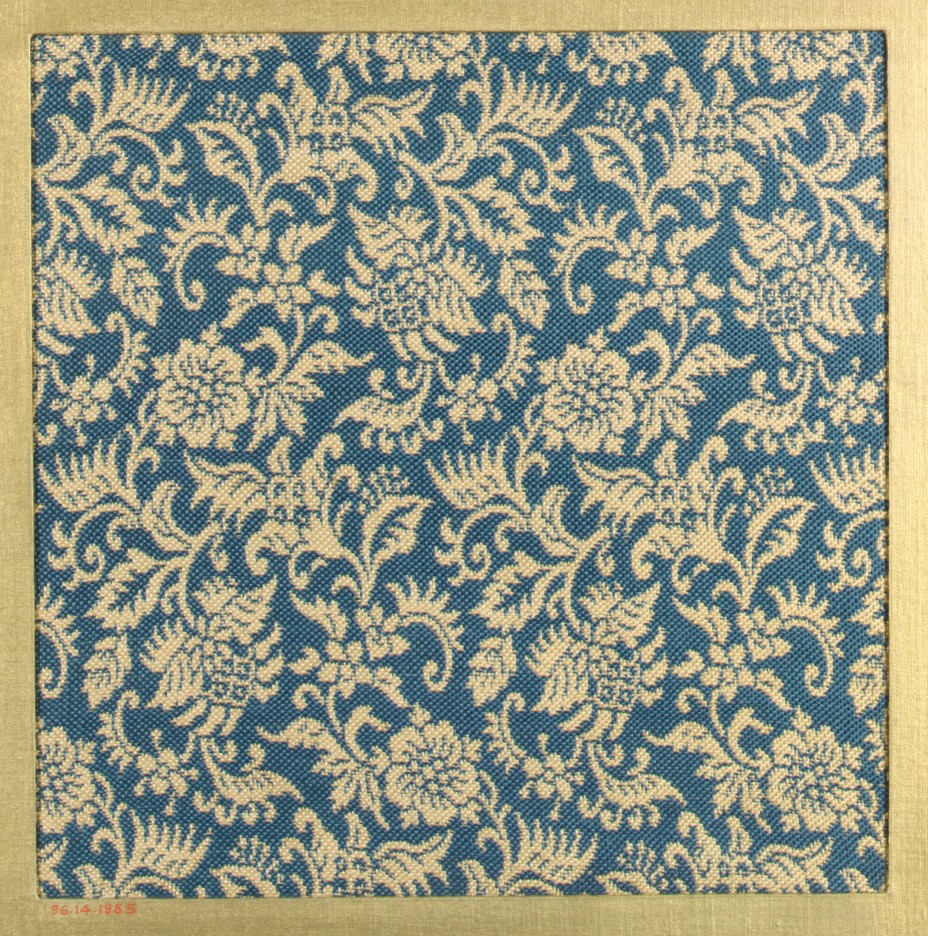
The color story of this piece is deliberately restrained, adhering to the kamon (family crest) tradition of understatement. The dominant hue is a deep, almost black sumi ink, achieved through a laborious process of layering charcoal-based dyes over thirty times. This black is not static; it shifts between blue-black and brown-black depending on the light, a quality known as iro-utsuri (color shifting). Against this dark canvas, the silk’s natural white threads are woven into a subtle pattern of asanoha (hemp leaf) motifs, symbolizing resilience and growth.
The absence of vibrant color is a strategic choice. In Japanese aesthetics, ma—the concept of negative space—is as important as form. The monochrome palette allows the viewer to focus on the tactile and textural nuances: the slight sheen of the silk, the irregularity of the hand-stitched pleats, the way the fabric pools at the hem. This is not a garment that shouts; it whispers, demanding a contemplative gaze. The only concession to ornamentation is a single obiage (sash) made from hand-spun gold thread, placed asymmetrically at the waist. This metallic accent serves as a visual anchor, grounding the fluidity of the silk and drawing the eye to the piece’s architectural center.
Cultural Context: From Edo Period to Contemporary Avant-Garde
To understand this piece is to understand its lineage. Japan’s relationship with silk is deeply rooted in the Edo period (1603-1868), when sumptuary laws dictated fabric use based on social class. This piece subverts that history by using silk—once reserved for the elite—in a form that is intentionally non-hierarchical. The detached sleeves and asymmetrical draping reject the rigid formality of traditional kimono, instead embracing a fluidity that mirrors modern identity. Katherine Fashion Lab positions this piece as a bridge between the ukiyo-e (floating world) aesthetic of pleasure districts and the kawaii (cute) culture of contemporary Harajuku, yet it avoids both extremes. Instead, it occupies a space of quiet rebellion.
The piece also engages with the Japanese concept of mono no aware—the bittersweet awareness of impermanence. The silk, though durable, will eventually fray; the indigo dye will fade. This transience is not a flaw but a feature. The garment is designed to be passed down, its wear marks telling the story of its owner. In an era of digital consumption, this piece demands a return to slow, intentional dressing. It is not for the impatient or the trend-driven. It is for the connoisseur who understands that true luxury lies in the relationship between maker, material, and time.
Conclusion: A Standalone Masterpiece
This Japanese silk piece from Katherine Fashion Lab is not merely a garment—it is a philosophical artifact. It challenges Western notions of couture as spectacle, instead offering a quiet, meditative experience. The silk breathes, the stitches tell stories, and the silhouette invites the wearer to move with purpose. In a market saturated with disposable luxury, this piece stands as a testament to the enduring power of craft. It is a study in restraint, a celebration of imperfection, and a reminder that the most profound statements are often made in silence. For the collector, it is an investment in artistry; for the wearer, it is a second skin woven from centuries of tradition.