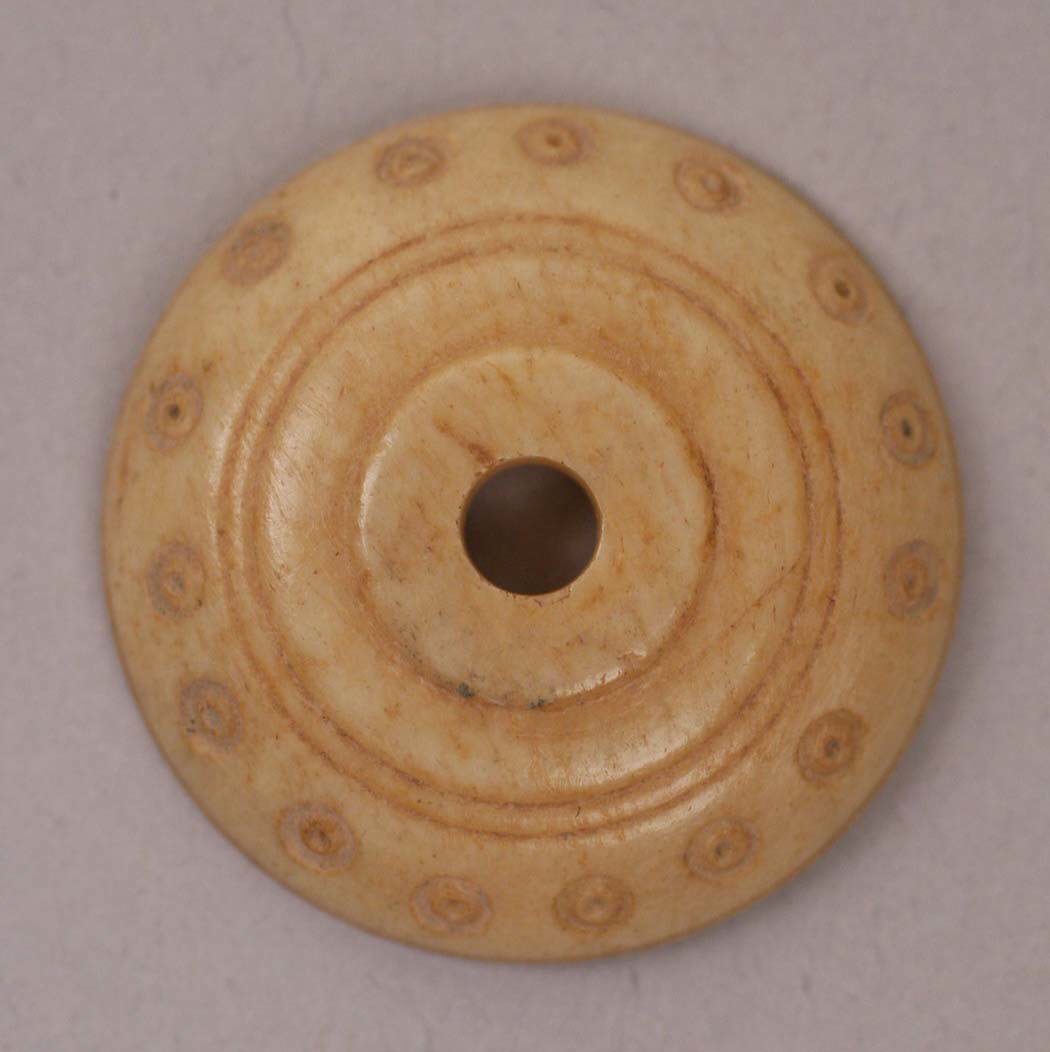
Heritage Analysis: The Ancient Bone Button and Bead
In the annals of human adornment, few artifacts bridge the gap between utilitarian necessity and profound spiritual expression as seamlessly as the ancient bone button and bead. For Katherine Fashion Lab, a strategic examination of this artifact—an incised and inlaid bone piece from an ancient civilization—offers a blueprint for 2026 high-end luxury strategy. This analysis dissects the object’s symbolic power, historical role in adornment, and spiritual meaning, translating these into actionable insights for a luxury brand seeking authenticity and narrative depth.
Symbolic Power: The Bone as a Vessel of Identity
The bone medium itself carries intrinsic symbolic weight. In ancient societies, bone represented the enduring essence of life, often associated with ancestors, strength, and the cycle of death and rebirth. The incised patterns—likely geometric or zoomorphic—were not mere decoration but a coded language of status, clan affiliation, and cosmic order. For example, in Neolithic and Bronze Age cultures, such buttons and beads were worn as talismans, believed to channel protective energies or denote the wearer’s role as a mediator between the earthly and spiritual realms. The inlaid paint, often derived from ochre or mineral pigments, amplified this symbolism: red signified life force, black denoted the underworld, and white evoked purity or celestial connection.
From a strategic standpoint, this symbolic power offers Katherine Fashion Lab a unique lexicon for 2026 luxury. The bone button or bead is not a passive accessory; it is a statement of identity and protection. In a market saturated with mass-produced embellishments, the ancient artifact’s narrative of personal and communal significance can be leveraged to create limited-edition collections where each piece tells a story of lineage and intention. This aligns with the growing consumer demand for “slow luxury” and meaningful ownership.
Historical Adornment: From Utility to Status
Historically, the button and bead evolved from purely functional roles—fastening garments or stringing necklaces—to markers of social hierarchy. In ancient civilizations such as the Indus Valley, Mesopotamia, and pre-Columbian societies, bone buttons and beads were painstakingly carved and polished, often reserved for elites. The incised details required specialized craftsmanship, making each piece a labor-intensive luxury good. Adornment was not optional; it was a visual contract of one’s place in the social fabric. A chieftain’s garment might boast hundreds of such buttons, each inlaid with paint to signify victories or alliances, while a shaman’s bead necklace would incorporate specific motifs for ritual use.
For Katherine Fashion Lab, this historical context underscores the value of craftsmanship scarcity. In 2026, high-end luxury strategy must pivot from logo-driven status to craft-driven distinction. The ancient bone button and bead exemplify how adornment can communicate exclusivity without overt branding. By reviving techniques such as hand-incising and natural-pigment inlaying, the brand can position itself as a custodian of heritage, appealing to discerning clients who seek objects with provenance and tactile authenticity. This is particularly relevant as the luxury market shifts toward artisanal, heritage-backed pieces that resist digital replication.
Spiritual Meaning: The Bead as a Prayer, the Button as a Shield
Spiritually, the bone button and bead were far more than ornaments; they were conduits for the sacred. In many ancient traditions, beads were used in prayer rituals—each bead counted as a mantra or intention, with bone believed to amplify the supplicant’s connection to ancestral spirits. Similarly, buttons were often sewn onto garments at key points—over the heart or at the collar—as protective amulets. The incised patterns, such as spirals or concentric circles, mirrored celestial cycles or labyrinths, guiding the wearer through life’s transitions. The inlaid paint added a layer of ritual color theory, where hues were chosen based on calendrical or astrological significance.
This spiritual dimension offers Katherine Fashion Lab a profound differentiator for 2026. As wellness and mindfulness continue to permeate luxury consumption, the brand can integrate spiritual narratives into its product lines. For instance, a “Guardian Button” collection could be marketed as wearable talismans, with each piece’s incised pattern corresponding to a specific intention—protection, prosperity, or clarity. The bone medium, ethically sourced and treated as a sacred material, reinforces a commitment to sustainability and reverence for natural resources. This approach transforms the button or bead from a simple fastening device into a personal artifact of empowerment, resonating with consumers seeking meaning in a chaotic world.
2026 High-End Luxury Strategy: Translating Heritage into Value
To operationalize this heritage analysis, Katherine Fashion Lab must adopt a four-pillar strategy for 2026: Narrative Curation, Artisanal Scarcity, Ritual Integration, and Digital Provenance.
Narrative Curation involves creating a comprehensive storytelling framework for each button or bead. Drawing from archaeological records, the brand can produce a “Heritage Dossier” for each piece—detailing its symbolic motifs, historical culture, and spiritual function. This dossier becomes part of the purchase experience, elevating the object from commodity to collectible. For example, a button incised with a sun motif might be linked to ancient solar worship, sold with a narrative of renewal and leadership.
Artisanal Scarcity demands a return to handmade, limited production. In 2026, Katherine Fashion Lab should collaborate with master bone carvers from regions with living traditions—such as Indigenous communities in North America or artisan guilds in South Asia. Each piece should be numbered and signed, with a maximum run of 50 units per design. This scarcity not only drives exclusivity but also justifies a premium price point, aligning with the luxury market’s move away from mass customization.
Ritual Integration invites consumers to engage with the product beyond aesthetics. The brand could offer a “Consecration Service” where clients select a specific incised pattern and pigment color based on their personal intentions, guided by a heritage curator. This service, delivered via private appointments or exclusive digital experiences, transforms the purchase into a ceremonial act. For 2026, this taps into the booming “ritual luxury” trend, where buying becomes a form of self-care and spiritual alignment.
Digital Provenance leverages blockchain to authenticate each piece’s heritage. By embedding a non-fungible token (NFT) that records the artifact’s historical inspiration, materials, and artisan, Katherine Fashion Lab can offer verifiable transparency. This digital layer appeals to tech-savvy luxury consumers who value both tradition and innovation. The NFT also serves as a gateway to exclusive content—such as virtual tours of archaeological sites or interviews with artisans—deepening the consumer’s connection to the ancient world.
Conclusion
The ancient bone button and bead, with its incised patterns and inlaid paint, is not merely a relic of the past; it is a strategic asset for Katherine Fashion Lab’s 2026 luxury vision. By decoding its symbolic power, historical role in adornment, and spiritual meaning, the brand can forge a new category of heritage-driven luxury that prioritizes narrative over novelty, craftsmanship over volume, and intention over impulse. In an era where consumers crave authenticity and depth, this ancient artifact offers a timeless template for relevance—one button, one bead, one story at a time.