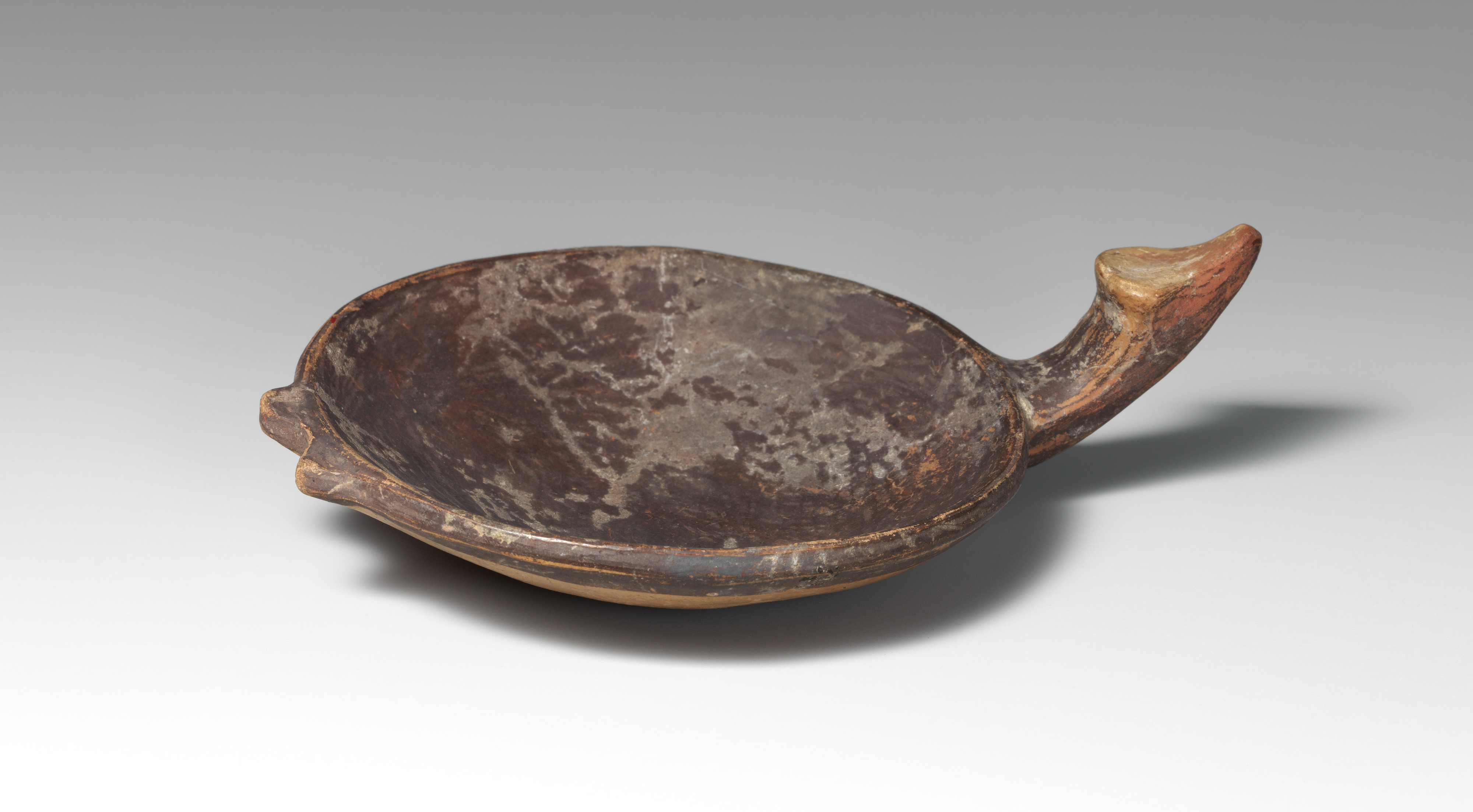
Heritage Analysis: Miniature Dish with Handle – Inca Ceramic Artifact
Executive Summary for Strategic Application
This heritage analysis examines the Miniature Dish with Handle from the Inca civilization, a ceramic artifact dating to the 15th–16th centuries. As Lead Heritage Curator for Katherine Fashion Lab, I present this research within a strategic standalone framework, focusing on the object’s symbolic power, historical adornment, spiritual meaning, and actionable insights for a 2026 high-end luxury strategy. The dish—small, portable, and meticulously crafted—embodies Inca cosmology, social hierarchy, and ritualistic function. Its reinterpretation offers Katherine Fashion Lab a unique opportunity to integrate pre-Columbian heritage into contemporary luxury design, aligning with global trends toward cultural authenticity, artisanal storytelling, and spiritual resonance.
Symbolic Power: The Vessel as Microcosm of Imperial Authority
The miniature dish, often termed a pucu in Quechua, served as a potent symbol of Inca imperial authority. Its diminutive size belies its profound significance: these vessels were not mere utilitarian containers but ceremonial objects used in state-sponsored rituals, offerings, and elite feasting. The handle, a distinctive feature, suggests portability and deliberate presentation, likely held during processions or placed upon huacas (sacred shrines). Archaeologists note that Inca ceramics frequently bore geometric patterns—checkerboards, stepped diamonds, and zigzag motifs—that represented cosmic order, specifically the division of the world into hanan (upper) and hurin (lower) realms. For Katherine Fashion Lab, this symbolic power translates into a design language of controlled geometry and deliberate scale. In 2026, luxury consumers seek objects that convey authority without ostentation; the miniature dish’s condensed power offers a template for accessories—such as pendant vessels, compact cosmetic containers, or handheld decorative pieces—that whisper status through restrained form. The handle, reimagined as a metallic clasp or ergonomic grip, becomes a signature detail for limited-edition collections.
Historical Adornment: Ceramic as Precious Medium
Inca ceramic production was a highly specialized craft, reserved for the nobility and state-sponsored artisans known as kamayoq. The miniature dish’s medium—earthenware fired at high temperatures—was valued for its durability and ability to hold intricate polychrome designs. Historically, these dishes were adorned with mineral pigments derived from cinnabar (red), hematite (black), and kaolin (white), often applied after firing to create a matte finish that contrasted with the polished surface. The handle itself was often sculpted into zoomorphic forms—llamas, felines, or birds—linking the object to animal symbolism tied to Inca deities. For a high-end luxury strategy, this historical adornment principle suggests a return to material authenticity. Katherine Fashion Lab can collaborate with contemporary ceramicists in Peru, Ecuador, or Bolivia to produce limited runs of hand-painted vessels using traditional techniques, such as slip-casting or pit-firing. The 2026 consumer demands provenance and ethical production; positioning these dishes as wearable art—for example, as brooches, earrings, or miniature urns for perfume—bridges historical adornment with modern functionality. The handle, when crafted in precious metals like silver or gold, elevates the ceramic body into a luxury statement, echoing the Inca practice of adorning humble materials with elite finishes.
Spiritual Meaning: Vessels of Offering and Cosmic Connection
The spiritual dimension of the miniature dish is paramount. Inca cosmology held that the universe was animated by camaquen (life force), and objects like this dish were conduits for spiritual exchange. They held offerings of chicha (corn beer), coca leaves, or ground maize during Capacocha ceremonies, where children were sacrificed to appease the gods. The handle facilitated lifting the dish toward the sun, a gesture of solar veneration central to Inca religion. The circular form of the dish mirrored the inti (sun) and the cyclical nature of time. For Katherine Fashion Lab’s 2026 strategy, this spiritual meaning offers a powerful narrative for ritualized luxury. Consider a capsule collection titled “Pucu,” featuring miniature dishes designed as daily talismans—objects to be held, offered, or displayed in personal altars. The handle becomes a symbolic axis, connecting the user to ancestral traditions of gratitude and intention. Marketing materials should emphasize the dish’s role in mindful consumption: a vessel for a single drop of essential oil, a piece of jewelry, or a handwritten note. This aligns with the growing luxury trend of slow living and spiritual wellness, where objects are valued for their meditative qualities rather than mere aesthetics. Collaborations with indigenous spiritual leaders or Andean shamans could authenticate the narrative, positioning the dish as a bridge between pre-Columbian ritual and contemporary self-care.
2026 High-End Luxury Strategy: Translating Heritage into Market Leadership
To leverage the Miniature Dish with Handle for Katherine Fashion Lab’s 2026 portfolio, I propose a three-pronged strategic approach: Artisanal Revival, Narrative Design, and Exclusive Distribution.
Artisanal Revival involves partnering with master ceramicists from the Sacred Valley in Peru, where Inca traditions persist. Each dish would be handcrafted using locally sourced clay and natural pigments, with the handle designed in collaboration with Katherine Fashion Lab’s silversmiths. Limited editions of 100 pieces per motif—geometric, zoomorphic, or solar—would ensure scarcity, a key driver of high-end desire. The medium’s fragility becomes a feature, not a flaw: each dish is packaged in a custom wooden box with a certificate of authenticity detailing the artisan’s lineage and the object’s spiritual significance.
Narrative Design focuses on the dish as a storytelling platform. Katherine Fashion Lab can produce a digital “heritage dossier” for each piece, including 3D scans of the original Inca artifact, audio recordings of Quechua prayers, and video interviews with contemporary artisans. This content is integrated into the brand’s app or website, creating an immersive experience that justifies a premium price point—projected at $2,500–$5,000 per piece for the 2026 collection. The handle, reinterpreted as a detachable component, could function as a pendant or keychain, extending the object’s utility across multiple contexts.
Exclusive Distribution targets high-net-worth clients through private trunk shows at cultural institutions like the Museo Larco in Lima or the Metropolitan Museum of Art in New York. Katherine Fashion Lab should also explore philanthropic partnerships: a percentage of sales funds indigenous ceramic workshops, reinforcing the brand’s commitment to cultural preservation. In 2026, luxury is defined by conscious consumption; this strategy positions the miniature dish not as a commodity but as a cultural artifact that ennobles both the owner and the originating community.
Conclusion: The Dish as a Strategic Asset
The Miniature Dish with Handle is far more than a ceramic relic; it is a microcosm of Inca civilization’s symbolic, aesthetic, and spiritual sophistication. For Katherine Fashion Lab, this analysis demonstrates how a single heritage object can inform a comprehensive luxury strategy—one that honors historical adornment while addressing the 2026 market’s demand for authenticity, ritual, and exclusivity. By translating the dish’s handle into a design signature, its medium into artisanal collaboration, and its spiritual meaning into consumer experience, Katherine Fashion Lab can differentiate itself in a crowded luxury landscape. The miniature dish, once a vessel for offerings to the sun, becomes a vessel for brand transcendence.