Heritage Analysis: The Ivory Plaque Fragment from Iran
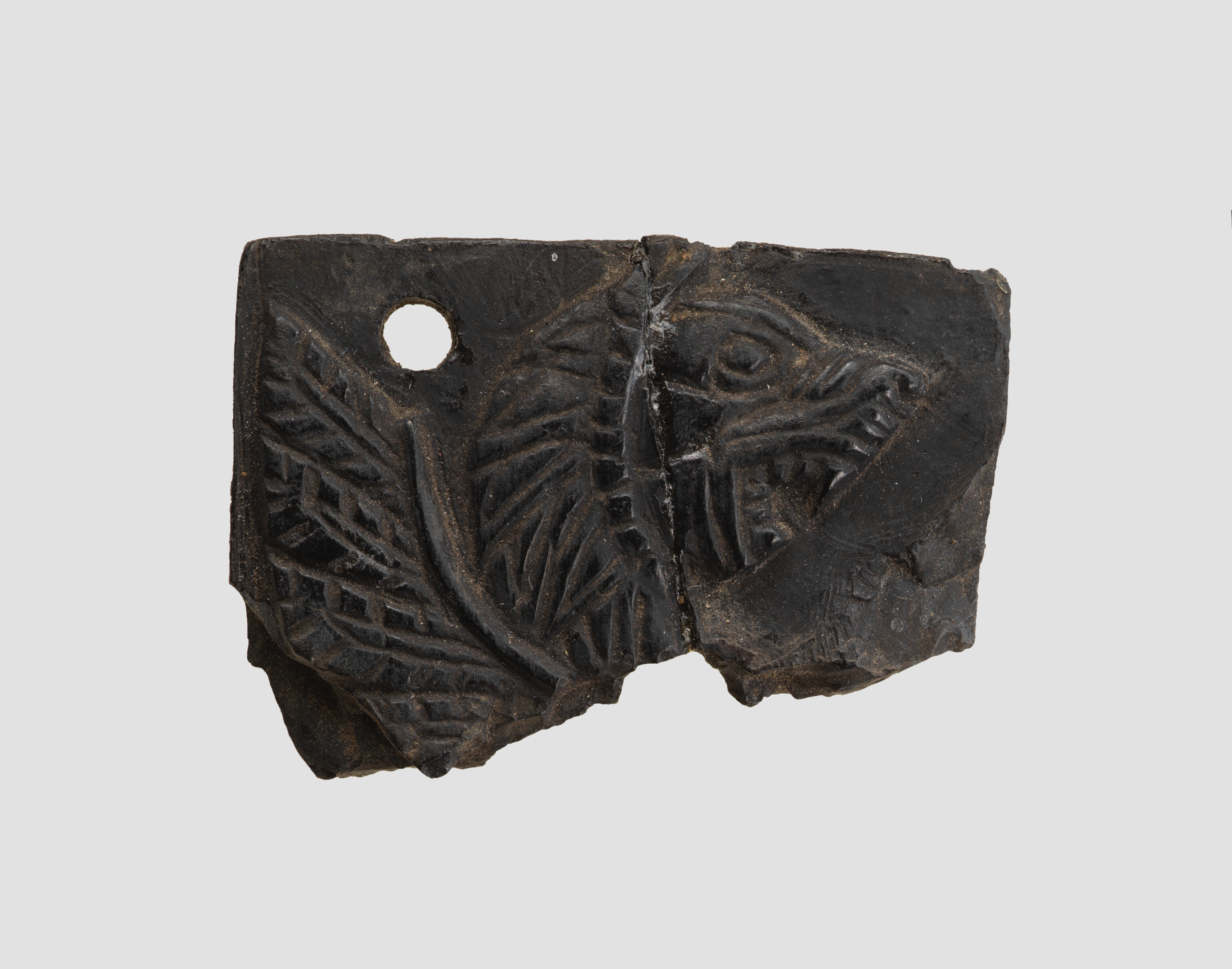
This analysis, prepared for Katherine Fashion Lab, examines a singular ivory plaque fragment from Iran, dating to the early first millennium BCE. The object, though incomplete, serves as a powerful testament to the symbolic authority, aesthetic sophistication, and spiritual cosmology of ancient Persian and pre-Persian elite cultures. As a strategic standalone research artifact, it offers profound insights for positioning a 2026 high-end luxury strategy, bridging historical depth with contemporary desirability.
Symbolic Power and Royal Authority
The plaque fragment, carved from elephant ivory, was originally part of a larger decorative scheme—likely affixed to furniture, a ceremonial throne, or a palatial architectural element. In the ancient Iranian world, ivory was a material of immense prestige, sourced from distant lands through established trade networks, reflecting geopolitical reach and economic dominance. The fragment’s surviving imagery, though partial, suggests a narrative of royal power: a stylized lion’s paw or a winged figure, motifs consistently associated with kingship, protection, and divine mandate.
The lion, in particular, symbolized the monarch’s strength and his role as the earthly counterpart to celestial forces. This symbolic power was not merely decorative; it was performative. The plaque’s placement on a throne or ceremonial object would have visually communicated the ruler’s authority to all who entered the court. For Katherine Fashion Lab, this principle of strategic visibility is directly translatable to luxury branding: the most powerful symbols are those that are both seen and understood, embedding authority into the very structure of an object.
Historical Adornment and Material Legacy
Ivory in ancient Iran was not a common medium; its procurement and carving required specialized knowledge and immense resources. The fragment’s craftsmanship—precise incisions, smooth surfaces, and balanced proportions—speaks to a workshop tradition that valued technical virtuosity as a marker of cultural sophistication. Adornment in this context was not superficial embellishment but a deliberate act of material storytelling. The ivory itself, with its warm patina and organic grain, carried a tactile quality that resonated with the elite’s desire for objects that felt both eternal and intimate.
Historical adornment, as evidenced by this fragment, relied on the interplay between material rarity and symbolic density. The ivory’s natural luminosity, when polished, would have caught lamplight in palace interiors, creating a dynamic visual experience. This concept of living materiality—where the object’s surface changes with light and touch—remains a cornerstone of high-end luxury. For the 2026 strategy, Katherine Fashion Lab can draw upon this legacy by prioritizing materials that age gracefully and develop unique character over time, thereby creating an emotional bond between the object and its owner.
Spiritual Meaning and Cosmic Order
Beyond earthly power, the plaque fragment likely served a spiritual function. In Zoroastrian-influenced cosmologies, which permeated ancient Iranian thought, the material world was a reflection of divine order. Ivory, as a substance derived from a living creature, was considered a bridge between the terrestrial and the celestial. The motifs carved into the fragment—such as the winged disk or the sacred tree—were not arbitrary; they represented the Fravashi (guardian spirit) or the Khvarenah (divine glory) that legitimated royal rule.
Spiritual meaning in this context was embedded in the object’s very purpose. The plaque was not merely an adornment but a talisman, believed to channel protective energies and ensure cosmic balance. This notion of object as conduit offers a powerful narrative for modern luxury. In an era of digital saturation, consumers increasingly seek objects that provide a sense of grounding, authenticity, and even transcendence. Katherine Fashion Lab can position its 2026 collections as modern talismans, where each piece carries a deliberate symbolic charge, connecting the wearer to a lineage of spiritual and cultural significance.
Strategic Implications for 2026 High-End Luxury
The ivory plaque fragment’s heritage provides a rich framework for Katherine Fashion Lab’s 2026 luxury strategy. Three key pillars emerge from this analysis:
1. Material Provenance as Brand Narrative: Just as ivory’s origin and rarity conferred status in ancient Iran, the provenance of materials in 2026 luxury must be transparent and aspirational. Katherine Fashion Lab should source ethically and exclusively, using materials like responsibly harvested wood, precious stones, or artisan-crafted metals. Each material should have a documented journey—from source to atelier—that becomes part of the product’s story. This approach builds trust and elevates the object beyond commodity status.
2. Symbolic Architecture in Design: The fragment’s motifs were not random; they formed a coherent symbolic system. For 2026, Katherine Fashion Lab should develop a proprietary visual language—a set of symbols, patterns, or forms that recur across collections. These symbols should be rooted in universal archetypes (e.g., protection, transformation, legacy) but uniquely interpreted by the brand. This creates a distinctive brand lexicon that connoisseurs can recognize and collect, much as ancient elites recognized the lion as a royal emblem.
3. Experiential Tangibility: The plaque fragment’s appeal lay partly in its tactile and visual richness. In 2026, luxury consumers will seek objects that engage multiple senses. Katherine Fashion Lab should prioritize surface finishes, weight, and even scent (through natural materials) to create a multisensory experience. Limited-edition pieces, presented in bespoke boxes with archival documentation, can evoke the same reverence that an ancient courtier might have felt when beholding a royal ivory.
Conclusion
The ivory plaque fragment from Iran is far more than a decorative remnant; it is a strategic artifact that encodes millennia of symbolic power, historical adornment, and spiritual meaning. For Katherine Fashion Lab, this heritage offers a blueprint for crafting luxury that is not merely consumed but revered. By integrating material provenance, symbolic architecture, and experiential tangibility into its 2026 strategy, the brand can position itself as a custodian of timeless values, appealing to a discerning clientele that seeks depth, authenticity, and transcendence in their possessions. The fragment’s lesson is clear: true luxury endures because it speaks to both the eye and the soul.