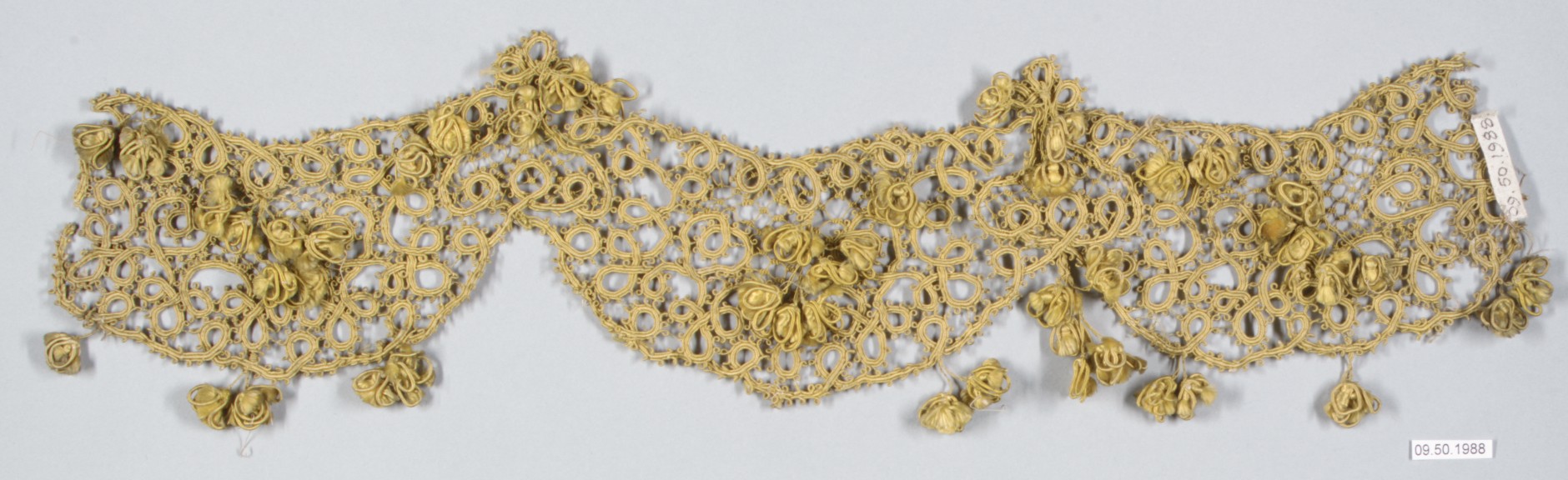
The Art of Passementerie: A Couture Analysis by Katherine Fashion Lab
Introduction: The Unseen Architecture of Haute Couture
In the lexicon of haute couture, passementerie occupies a singular space—neither fully structural nor purely ornamental, it is the connective tissue that binds fabric to form, and tradition to innovation. At Katherine Fashion Lab, we approach passementerie not as mere trimming, but as a disciplined language of luxury. This standalone study examines passementerie through the lens of global heritage, with a specific focus on silk as the material of choice. From the ateliers of 19th-century Lyon to the silk routes of East Asia, passementerie embodies a cross-cultural dialogue that continues to define couture’s most refined expressions.
Defining Passementerie: Beyond Decoration
Passementerie encompasses the intricate art of creating ornamental trimmings—fringes, tassels, cords, braids, and galloons—that embellish garments, accessories, and interiors. Historically, it served as a marker of status and craftsmanship, with each knot and twist reflecting hours of manual labor. In the context of Katherine Fashion Lab, passementerie is analyzed as a strategic design element that enhances silhouette, directs visual flow, and introduces tactile contrast. Unlike printed patterns or embroidered motifs, passementerie relies on the interplay of texture, weight, and dimension, making it a three-dimensional art form that demands precision engineering.
Global Heritage: A Tapestry of Influences
The origins of passementerie are deeply rooted in global trade and cultural exchange. Silk passementerie traces its lineage to ancient China, where silk threads were twisted into decorative cords for imperial robes. The Silk Road facilitated the spread of these techniques to Persia, India, and the Ottoman Empire, where artisans adapted them into local aesthetics—Persian golabatun (gold-thread tassels) and Indian zardozi (metallic embroidery) share DNA with European passementerie. By the 17th century, French guilds in Lyon had codified these practices, elevating them into a specialized craft that supplied the courts of Versailles.
At Katherine Fashion Lab, we honor this heritage by sourcing silk from sustainable farms in India and Italy, ensuring that each thread carries a narrative of artisanal continuity. The global heritage of passementerie is not a static archive; it is a living lexicon that evolves through cross-pollination. For instance, the Japanese technique of kumihimo (braided silk cords) influences our contemporary cord designs, while Andean tocapu patterns inspire geometric braids. This synthesis allows us to create passementerie that is culturally literate yet distinctly modern.
Materiality of Silk: The Unrivaled Medium
Silk is the quintessential material for passementerie due to its unique mechanical properties. Its long, continuous filaments provide tensile strength without bulk, allowing for intricate knots and twists that maintain structural integrity. The natural luster of silk imparts a subtle sheen that catches light differently from synthetic alternatives, creating depth and movement. Moreover, silk’s hygroscopic nature allows it to absorb dyes with exceptional vibrancy, enabling a palette that ranges from deep indigos to soft ivories.
In our lab, we prioritize mulberry silk (Bombyx mori) for its uniform diameter and smooth finish, which ensures consistent tension in braiding and tassel-making. The material’s drapability also allows passementerie to follow the contours of a garment without stiffness—a critical factor in haute couture, where every seam must move with the body. For tassels, we use a combination of silk floss and twisted silk threads, creating a gradient of textures that invite touch. This tactile dimension is often overlooked in fashion analysis, yet it is central to the sensory experience of luxury.
Techniques and Construction: The Artisan’s Discipline
Creating silk passementerie at Katherine Fashion Lab involves a rigorous process that blends ancient techniques with modern precision. The core techniques include:
- Twisting and Cording: Silk threads are twisted under controlled tension to form cords of varying thickness. This requires a cordelier (cord-maker) who adjusts the twist angle to achieve either a tight, rigid cord or a loose, flexible one.
- Braiding: Using a kumihimo loom or a traditional French métier à tresses, multiple silk strands are interwoven into complex patterns. The eight-strand braid is a staple, offering both strength and decorative appeal.
- Tassel-Making: Tassels are constructed by wrapping silk threads around a wooden mold, then tying and cutting them to precise lengths. The skirt (the hanging threads) and head (the top knot) are assembled separately, then joined with a silk cord. The head is often wrapped in a passementerie twist for added refinement.
- Galloon Weaving: Galloons are narrow, patterned bands woven on a loom. Our artisans use a jacquard attachment to create intricate motifs, such as floral vines or geometric arabesques, that echo historical patterns while incorporating contemporary colorways.
Each piece is hand-finished to ensure that knots are secure and edges are clean. The absence of machine stitching is deliberate—handwork allows for subtle variations that imbue each item with artisanal character.
Contextual Application: Passementerie in Standalone Study
This standalone study positions passementerie as a primary subject of investigation, not a secondary embellishment. In the context of Katherine Fashion Lab, we explore how passementerie can function as the central narrative of a garment or accessory. For example, a silk evening gown might feature a dramatic tassel fringe along the hem that sways with movement, becoming a kinetic element. Alternatively, a braided silk belt with intricate knotwork can serve as the sole closure, eliminating the need for hardware and emphasizing the material itself.
This approach requires a shift in design thinking: rather than adding passementerie to an existing garment, the garment is designed around the passementerie. The weight and drape of the silk trimmings dictate the silhouette, while the color and texture of the cords influence the fabric selection. This integrated methodology ensures that passementerie is not an afterthought but a foundational element.
Economic and Cultural Significance
From an MBA perspective, passementerie represents a high-value niche within the luxury market. The labor-intensive nature of silk passementerie commands premium pricing, with a single tassel requiring up to four hours of handwork. This creates a scarcity value that aligns with the exclusivity of haute couture. Moreover, by sourcing silk from heritage regions, we support artisanal economies in India, Italy, and Japan, fostering a supply chain that values skill over speed.
Culturally, passementerie serves as a repository of intangible heritage. Each technique—whether the guipure of French lace or the millefleurs of Indian embroidery—encodes centuries of aesthetic knowledge. At Katherine Fashion Lab, we document these techniques through digital archives and master-apprentice programs, ensuring that the craft survives beyond the current generation. This commitment to cultural sustainability differentiates our brand in a market increasingly driven by fast fashion and digital reproduction.
Conclusion: The Future of Silk Passementerie
Passementerie in silk is not a relic of the past; it is a living art form that responds to contemporary design challenges. At Katherine Fashion Lab, we envision a future where passementerie is reimagined through sustainable practices—using natural dyes, recycled silk waste, and modular designs that allow for repair and reuse. As the fashion industry grapples with overconsumption, the durability and timelessness of silk passementerie offer an alternative to disposability. This standalone study affirms that passementerie, when executed with mastery and intention, is not merely decorative—it is the ultimate expression of couture’s commitment to beauty, skill, and heritage.