The Enduring Thread: A Couture Analysis of the Coptic Dress at Katherine Fashion Lab
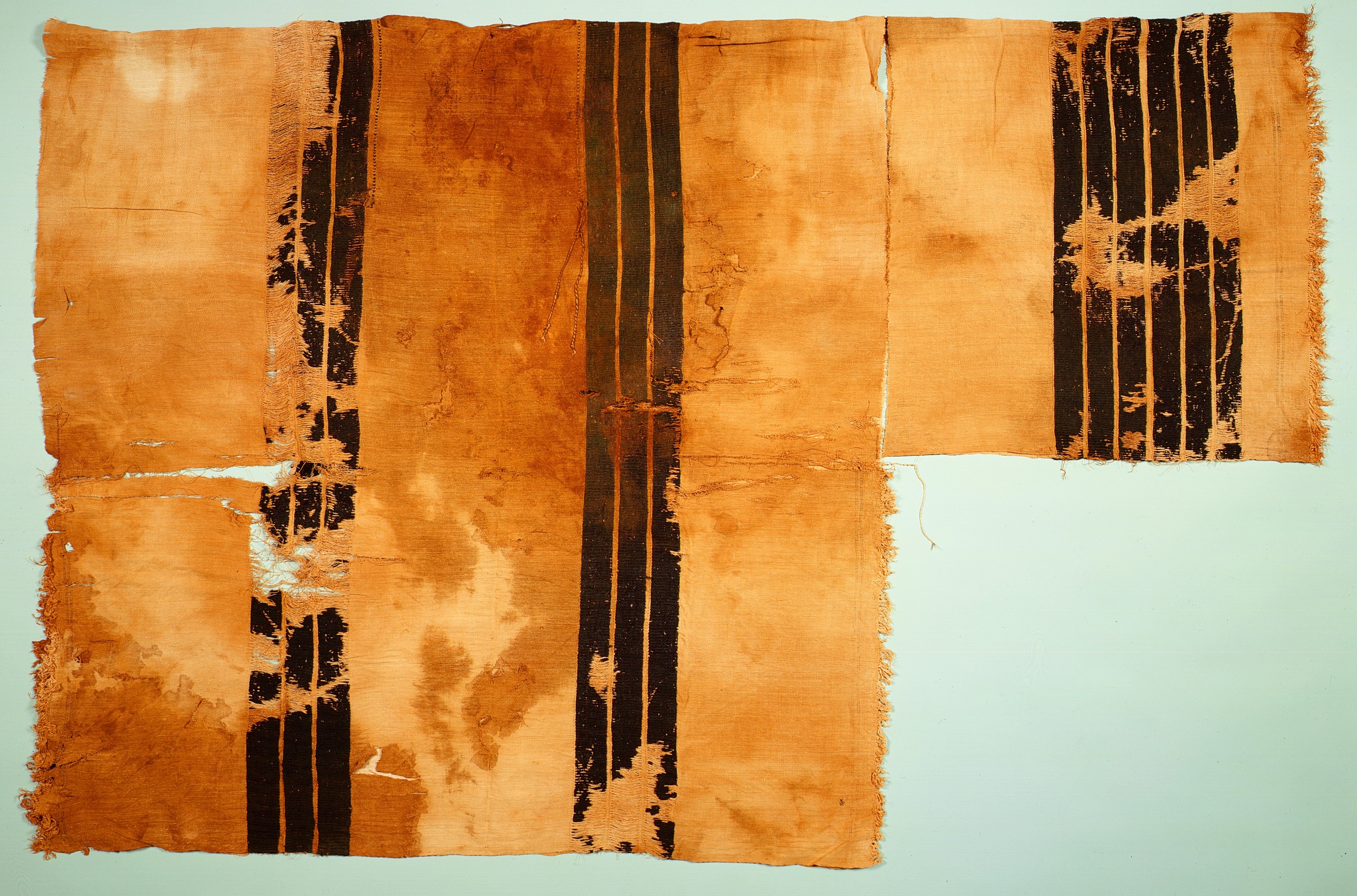
In the hallowed halls of Katherine Fashion Lab, where the past and future of garment construction converge, a singular artifact commands our attention: a Coptic dress, meticulously preserved from late antiquity. This is not merely a relic; it is a masterclass in textile engineering and a profound statement of cultural identity. Crafted from humble linen and accented with wool, this dress transcends its utilitarian origins to offer a sophisticated lexicon of form, function, and aesthetic philosophy. As Lead Curator, I present this standalone study to unpack the garment’s architectural genius, its material dialogue, and its resonant implications for contemporary haute couture.
Materiality as a Narrative: Linen and Wool in Dialogue
The Coptic dress is a testament to the strategic use of resources. The primary fabric, linen, is derived from the flax plant, a crop indigenous to the Nile Valley. Its selection is not arbitrary; linen offers a unique combination of thermal conductivity and structural integrity. In the arid climate of Egypt, linen’s ability to wick moisture and allow airflow was not just comfort—it was survival. Yet, the garment’s narrative is elevated by the inclusion of wool, typically used for decorative clavi (vertical bands) and orbiculi (roundels). This juxtaposition creates a deliberate tension: the cool, crisp, and almost transparent linen against the warm, dense, and opaque wool.
From a couture perspective, this material pairing is a study in contrast. The linen provides a neutral, almost architectural base, while the wool introduces texture, color, and weight. The wool’s natural lanolin content lends a subtle sheen, catching light differently than the matte linen. This dual-fabric approach is a precursor to modern mixed-media design, where the interplay of textures creates visual depth without relying on elaborate ornamentation. The Coptic weaver understood that materiality itself is decoration—a principle that resonates in the work of designers like Issey Miyake or Yohji Yamamoto, who elevate fabric behavior over surface embellishment.
Structural Ingenuity: The Tunic as a Blueprint
The dress’s silhouette is deceptively simple: a T-shaped tunic, often referred to as a tunica. Yet, within this simplicity lies a sophisticated pattern engineering. The garment is typically woven in one piece on a vertical loom, with the warp threads running vertically from shoulder to hem. The weaver would leave intentional slits for the neck and armholes, a technique known as “shaped weaving.” This eliminates the need for complex cutting and sewing, reducing waste and ensuring the fabric’s structural continuity.
The key to its couture relevance is the drape and fall. The linen’s natural stiffness is counterbalanced by the garment’s generous width, often exceeding 60 inches at the hem. This creates a column of fabric that moves with the body, not against it. The wool clavi serve a dual purpose: they are decorative, but they also add structural weight, pulling the fabric downward to create a disciplined, vertical line. This is a precursor to the bias cut, where gravity and grain are manipulated for a controlled flow. In the Coptic dress, the body is not constrained; it is framed. The garment acts as a secondary skin, allowing for movement while maintaining a distinct, architectural presence.
Embellishment as Iconography: The Language of the Orbiculi
The woolen embellishments—the orbiculi (circular medallions) and clavi (vertical bands)—are not mere decoration. They are a coded language of status, faith, and identity. In the late Roman and Byzantine periods, these motifs often depicted mythological scenes, Christian iconography, or geometric patterns. The weaver used a tapestry technique, where the wool weft threads are manipulated by hand to create intricate designs, while the linen warp remains continuous. This is a labor-intensive process, akin to hand-embroidery, and it elevates the dress from functional to ceremonial.
For the modern couturier, these embellishments offer a lesson in strategic placement. The orbiculi are typically positioned at the shoulders and knees—points of maximum visual impact and structural stress. This is not accidental; the wool reinforces areas prone to wear, turning a decorative element into a functional reinforcement. The clavi run vertically from shoulder to hem, elongating the figure and drawing the eye upward. This is a form of optical engineering, a technique later refined by designers like Cristóbal Balenciaga, who used seams and panels to sculpt the silhouette.
Contextual Resonance: The Standalone Study
This analysis is a standalone study, meaning the dress is examined in isolation, removed from its archaeological context and presented as an autonomous object of design. This approach allows us to bypass historical narrative and focus purely on the garment’s formal and technical merits. When viewed this way, the Coptic dress becomes a timeless artifact, its principles applicable to any era of fashion.
Consider the sustainability of its construction. The dress is made from biodegradable, locally sourced materials. Its one-piece weaving minimizes waste. Its loose fit allows for a range of body types and sizes, making it a “universal” garment. In an age of fast fashion and environmental crisis, the Coptic dress offers a blueprint for circular design. It is not disposable; it is heirloom quality, meant to be worn, repaired, and passed down. The use of wool for reinforcement suggests a pre-industrial understanding of durability that modern luxury brands are only now rediscovering.
Furthermore, the dress’s gender neutrality is noteworthy. While often associated with women, similar tunics were worn by men, with variations in length and decoration. This fluidity challenges contemporary binary norms, suggesting that the silhouette itself was not gendered, but rather the embellishments signaled social role. This is a radical notion for a garment from the 4th–7th centuries CE, and it invites us to reconsider the rigid categories we impose on modern fashion.
Implications for Contemporary Couture
What can Katherine Fashion Lab’s designers learn from this Coptic dress? First, the power of restraint. The garment achieves its impact through a limited palette of materials and a disciplined silhouette. Every element—the linen, the wool, the placement of the orbiculi—serves a purpose. There is no superfluous detail. This is a lesson in editing, a skill that separates high couture from mere decoration.
Second, the integration of function and ornament. The wool bands are not appliqués; they are structurally integral. In modern terms, this is akin to using a contrasting fabric for a corset panel or a reinforced seam. The Coptic weaver understood that beauty and utility are not opposing forces but partners in design.
p>Finally, the garment as a cultural artifact. Even in a standalone study, the dress carries the weight of its origins. It speaks of trade routes, religious shifts, and the daily lives of women in late antiquity. For the contemporary designer, this reminds us that every garment tells a story. The materials, the cut, the decoration—all are choices that convey meaning. In an era of globalized, often anonymous fashion, the Coptic dress challenges us to create with intention, to embed narrative in every stitch.Conclusion: A Timeless Blueprint
The Coptic dress at Katherine Fashion Lab is far more than a historical curiosity. It is a masterwork of textile engineering, a testament to the enduring power of simple materials used with profound skill. Its linen and wool construction, its T-shaped silhouette, its iconographic embellishments—all converge to create a garment that is both humble and majestic. As we study it in isolation, we are reminded that the principles of great design are timeless: respect for material, clarity of form, and the seamless integration of beauty and function. For the modern couturier, this ancient dress is not a relic to be admired from afar, but a living textbook, waiting to be reopened and reinterpreted.