The Sampler: A Couture Analysis of Katherine Fashion Lab’s Global Heritage Linen Study
Introduction: The Sampler as a Couture Artifact
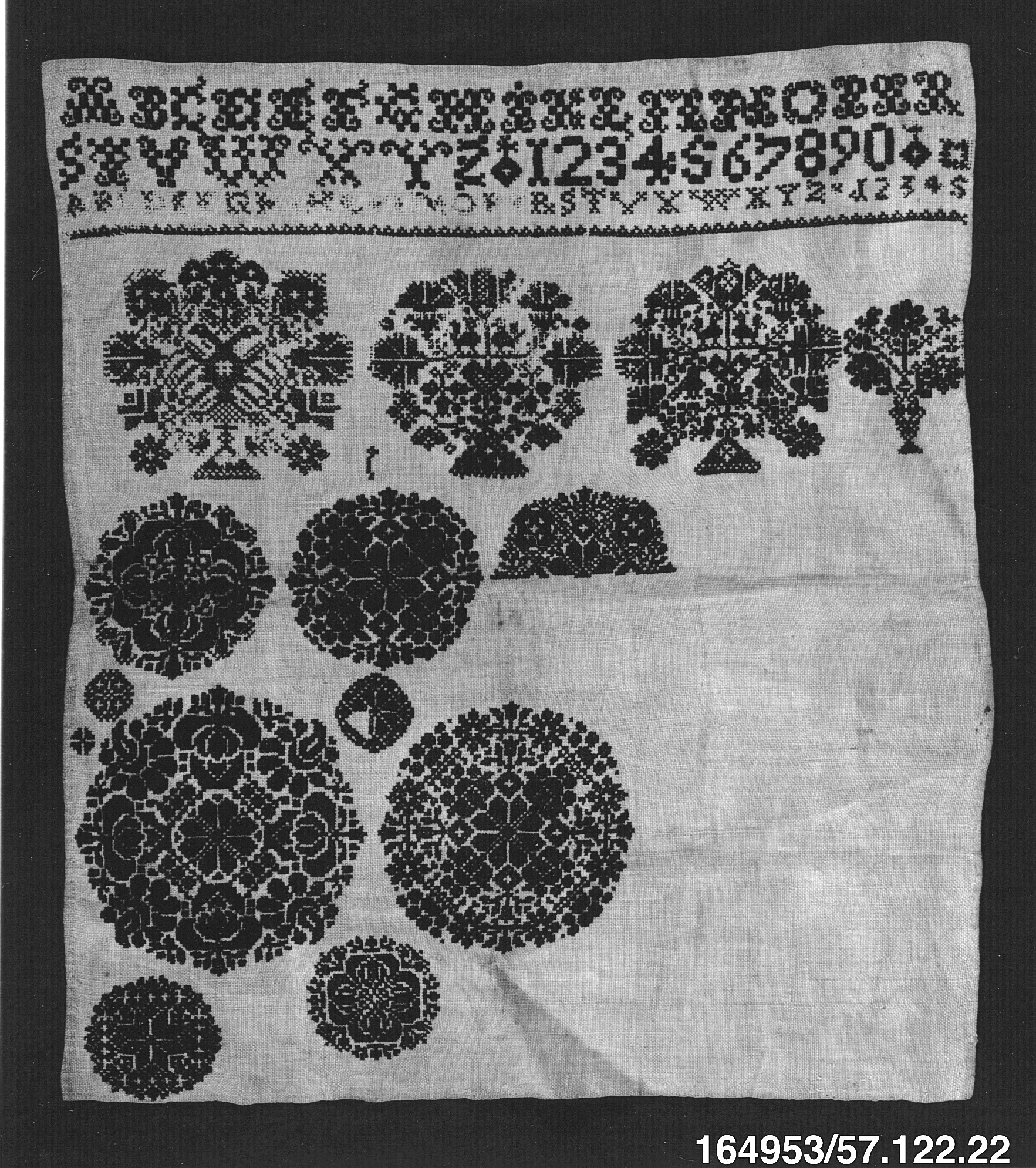
In the rarefied world of high fashion, the term “sampler” traditionally evokes the embroidered squares of domestic craft—a historical record of stitches, motifs, and patience. Yet, within Katherine Fashion Lab’s latest standalone study, the Sampler transcends its humble origins. Here, it is reimagined as a couture artifact, a deliberate exercise in textural minimalism and global narrative. This analysis dissects the piece through the lenses of materiality, heritage, and design philosophy, positioning the Sampler not as a mere prototype but as a finished statement on the intersection of craft and luxury.
Material Integrity: Linen on Linen
The choice of linen on linen is both a constraint and a liberation. Linen, derived from the flax plant, is one of humanity’s oldest textiles, yet its application in contemporary couture often remains relegated to linings or summer wear. Katherine Fashion Lab subverts this by using linen as both the base and the embellishment. The fabric’s natural irregularities—its slubs, its subtle variations in thread density—become the foundation of the Sampler’s aesthetic. The lab employs a technique where undyed linen threads are meticulously embroidered onto a similarly untreated linen ground, creating a monochromatic dialogue that relies entirely on light, shadow, and texture.
This material integrity demands a reevaluation of what constitutes “embellishment” in couture. There are no crystals, no metallic threads, no synthetic dyes. Instead, the Sampler uses the inherent properties of flax: its absorbency, its tensile strength, and its ability to soften with time. The result is a garment that feels simultaneously ancient and futuristic—a study in restraint that challenges the industry’s obsession with opulence. For the discerning collector, this is a quiet rebellion against the loudness of mass-market fashion.
Global Heritage: A Cartography of Stitches
The Sampler’s design vocabulary draws from a global heritage of folk embroidery, but it does so with the precision of a curator. Each stitch type is a reference to a specific cultural tradition, yet the overall composition avoids pastiche. The running stitch, ubiquitous from Japanese sashiko to Scandinavian decorative work, forms the backbone of the piece. The cross-stitch, historically used in Eastern European and Central Asian textiles, appears in clusters that mimic the irregularity of hand-dyed yarns. The herringbone stitch, reminiscent of West African strip-weaving, adds a structural rhythm to the garment’s seams.
What elevates this from a mere anthropological exercise is the deliberate omission of color. By stripping away the chromatic identifiers that often signal cultural ownership, Katherine Fashion Lab forces the viewer to focus on the gesture of the stitch itself. The Sampler becomes a universal language of textile craft, where a single line of embroidery can evoke the rice paddies of Southeast Asia or the darning techniques of the Scottish Highlands. This is not appropriation but translation—a respectful dialogue between the local and the global, rendered in the quiet vocabulary of linen.
Context: The Standalone Study as a Luxury Statement
In an industry driven by seasons, trends, and commercial cycles, the decision to present the Sampler as a standalone study is a radical act of confidence. Katherine Fashion Lab positions this piece outside the traditional collection framework, allowing it to function as a philosophical manifesto. The garment is not intended for mass production or even limited-edition replication; it exists as a singular object, to be analyzed, debated, and perhaps acquired by a collector who understands its intellectual weight.
This context reframes the Sampler as a wearable monograph. Every stitch is a footnote; every seam is a citation. The lab’s accompanying documentation—likely a detailed chart of stitch types, thread counts, and historical references—elevates the piece to the status of academic research. For the MBA-trained eye, this is a masterclass in brand positioning: by creating an artifact that demands interpretation, Katherine Fashion Lab asserts its authority as a thought leader in the luxury space. The Sampler is not just a garment; it is a curriculum.
Design Philosophy: The Power of Negative Space
The Sampler’s most striking feature is its strategic use of negative space. Unlike traditional samplers, which often cover the entire fabric surface with dense embroidery, this piece leaves large swaths of linen untouched. The embroidery is concentrated in key structural zones: the shoulders, the cuffs, and a vertical panel along the spine. This distribution mimics the body’s own lines of tension, where movement and fabric stress are most pronounced. The result is a garment that breathes—both literally, through the linen’s natural airflow, and metaphorically, through the visual silence of the unadorned areas.
This approach echoes the principles of wabi-sabi, the Japanese aesthetic of imperfection and transience. The Sampler celebrates the incomplete as a form of completion. The embroidery does not attempt to hide its hand-made origins; instead, it flaunts the slight irregularities in stitch length and tension. In a luxury market increasingly saturated with digital perfection, this human touch is the ultimate differentiator. It signals a return to artisanal authenticity, where the value lies not in flawlessness but in the story of making.
Market Implications: Redefining Couture Value
From a strategic perspective, the Sampler challenges conventional metrics of couture value. Traditional high fashion relies on material rarity (diamonds, silk, exotic leathers) and labor intensity (thousands of hours of handwork). While the Sampler certainly requires significant artisan time, its value proposition is rooted in conceptual density rather than material extravagance. The linen itself is not rare; what is rare is the knowledge embedded in each stitch—the research, the cross-cultural synthesis, the deliberate restraint.
This shift has profound implications for the luxury market. As consumers become more educated and skeptical of overt displays of wealth, the quiet luxury of the Sampler offers an alternative. It appeals to the discerning patron who values provenance, process, and intellectual rigor over logo visibility. Katherine Fashion Lab is effectively creating a new category: haute intellectualism. For competitors, this is a warning that the future of couture may lie not in more, but in less—less color, less ornament, less noise.
Conclusion: A Blueprint for Couture’s Next Chapter
The Sampler by Katherine Fashion Lab is more than a garment; it is a provocation. In its linen-on-linen modesty, it asks the luxury industry to reconsider its foundational assumptions about beauty, value, and cultural exchange. By grounding the piece in a global heritage of stitchcraft while stripping it of geographic specificity, the lab achieves a rare synthesis: a garment that is both universal and deeply personal. For the collector, the scholar, and the strategist, the Sampler offers a blueprint for a more thoughtful, more sustainable, and more intellectually rigorous couture. It is a study that demands to be studied—and a statement that will resonate far beyond the atelier.