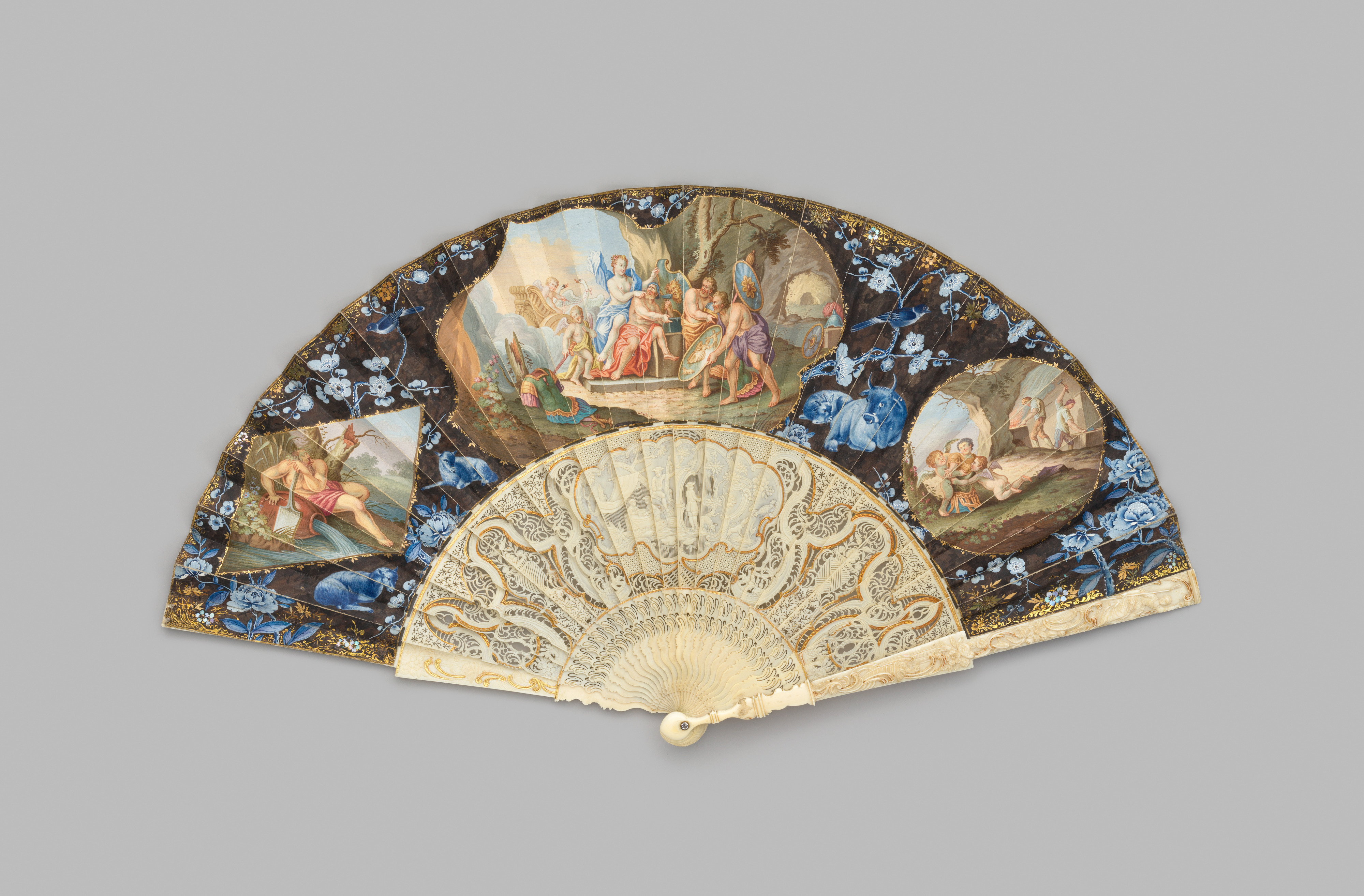
Heritage Analysis: The Fan as a Symbol of Power, Adornment, and Spiritual Authority in Ancient Civilizations
In the annals of material culture, few objects bridge the mundane and the transcendent as effectively as the fan. For Katherine Fashion Lab, a thorough understanding of the fan’s origins in ancient civilizations—specifically through mediums of paper and ivory—offers a strategic blueprint for 2026 high-end luxury positioning. This analysis examines the fan’s symbolic power, its role in historical adornment, its profound spiritual meaning, and the actionable luxury strategy that can be derived from these heritage insights.
Symbolic Power: The Fan as an Instrument of Authority
In ancient Egypt, Mesopotamia, and China, the fan was never merely a tool for cooling. It was a potent emblem of hierarchical authority and divine mandate. Egyptian pharaohs were depicted with large, semicircular fans carried by attendants—often made of ostrich feathers or palm leaves—signifying the ruler’s dominion over nature and his people. The fan’s size and material directly correlated with status: the larger and more exotic the fan, the greater the ruler’s reach. In ancient China, the ceremonial fan, or shan, was a fixture of imperial courts, reserved exclusively for the emperor and high-ranking officials. Paper fans, often painted with dragons or clouds, symbolized the emperor’s role as the intermediary between heaven and earth. Ivory, a material of extreme rarity and difficulty to carve, elevated the fan from a functional object to a portable monument of power. For a luxury brand, this heritage teaches that the fan is not an accessory but a declaration of presence. In 2026, Katherine Fashion Lab can leverage this by designing limited-edition fans that are not sold as commodities but as symbols of exclusivity, perhaps tied to membership or invitation-only collections.
Historical Adornment: The Fan as a Mobile Canvas of Identity
The fan’s evolution as an adornment object is equally instructive. In ancient Greece and Rome, fans (often made of linen or papyrus) were used by women of status to signal refinement and social grace. However, it was in East Asia, particularly during the Tang and Song dynasties, that the fan became a mobile canvas for personal and cultural identity. Paper fans were hand-painted with calligraphy, landscapes, or poetic verses, transforming each fan into a unique work of art. The choice of imagery—whether a serene bamboo grove or a fierce tiger—communicated the owner’s temperament, education, and aspirations. Ivory fans, often intricately carved with latticework or narrative scenes, served as status markers of wealth and artistic patronage. The medium itself dictated the message: paper allowed for ephemeral, personalized expression, while ivory conveyed permanence and opulence. For Katherine Fashion Lab, this dual nature of the fan offers a powerful strategy: the 2026 collection can feature bespoke paper fans that allow clients to commission their own motifs, alongside a mastercraft ivory series (using ethically sourced or alternative materials) that embodies timeless luxury. This creates a dichotomy of personalization versus permanence, appealing to both the expressive and the aspirational consumer.
Spiritual Meaning: The Fan as a Conduit Between Worlds
Beyond power and adornment, the fan held deep spiritual significance in ancient civilizations. In many cultures, the fan was used in religious and funerary rituals. In ancient Egypt, fans were placed in tombs to provide the deceased with eternal comfort and to ward off evil spirits. The fluttering motion of a fan was believed to mimic the breath of life or the movement of divine winds. In East Asian shamanistic traditions, fans were used to summon spirits, dispel negative energy, and bless sacred spaces. The material medium again played a role: paper fans were often burned as offerings, their smoke carrying prayers to the heavens; ivory fans, being durable, were kept as protective talismans within temples or ancestral halls. This spiritual dimension lends the fan an intangible value that transcends its physical form. For a luxury brand in 2026, this suggests a strategy of ritualistic storytelling. Katherine Fashion Lab can position its fan collection as more than fashion—it can be framed as objects of intention. Each fan could be accompanied by a narrative card explaining its protective or aspirational symbolism, or the brand could host private ceremonies where clients learn the “art of the fan” as a meditative practice. This elevates the product from a simple accessory to a spiritual artifact within a modern luxury context.
2026 High-End Luxury Strategy: From Heritage to Haute Couture
Synthesizing these heritage insights, Katherine Fashion Lab can deploy a strategic standalone collection for 2026 that redefines the fan as a luxury icon. The following pillars emerge from the analysis:
1. Material as Narrative: The ancient dichotomy of paper (ephemeral, personal) and ivory (permanent, elite) should be reinterpreted. Paper fans can be produced in limited runs with hand-painted motifs by contemporary artists, while the “ivory” line can use sustainable alternatives like tagua nut or fossilized ivory, maintaining the visual and tactile prestige without ethical compromise. Each material tells a story of impermanence versus legacy, allowing clients to choose their symbolic alignment.
2. Symbolic Licensing and Codes: Borrowing from ancient courtly symbolism, each fan can be assigned a specific power code—the Dragon for authority, the Lotus for purity, the Sun for vitality. These codes can be integrated into the brand’s broader narrative, creating a lexicon of luxury that customers collect. Limited-edition fans could be released in numbered series, each tied to a historical dynasty or spiritual concept, thereby linking the purchase to a tangible heritage experience.
3. Ritualized Consumer Experience: The spiritual function of the fan as a conduit can be translated into a luxury unboxing ritual. The fan could be presented in a handcrafted box that resembles a reliquary, with instructions for a “fan blessing” ceremony—a moment of quiet intention before use. This taps into the growing demand for mindful luxury and positions Katherine Fashion Lab as a curator of meaningful objects, not just fashion.
4. Co-Creation and Exclusivity: Following the ancient practice of personalized adornment, the brand can offer a bespoke fan service where clients collaborate with artisans to design their own motifs. This not only generates high per-unit revenue but also creates emotional attachment and brand loyalty. For the ultra-high-net-worth segment, a limited “Ivory Masters” series could be produced in single-digit quantities, each with a certificate of provenance and a historical reference.
5. Strategic Standalone Positioning: Finally, the fan should not be treated as an afterthought or a seasonal novelty. It must be positioned as a standalone heritage piece, marketed through editorial campaigns that emphasize its ancient lineage. Collaborations with museums, art historians, and spiritual leaders can lend authenticity. In 2026, Katherine Fashion Lab can host a “Fan as Icon” exhibition, showcasing both historical artifacts and the new collection, thereby blurring the line between curation and commerce.
Conclusion
The fan, in its ancient paper and ivory forms, is not a relic but a reservoir of symbolic power, adornment, and spiritual meaning. For Katherine Fashion Lab, this heritage analysis reveals a clear path: to elevate the fan from a functional object to a strategic luxury asset in 2026. By honoring its origins—through material choice, symbolic depth, and ritualistic presentation—the brand can capture a clientele that seeks not just beauty, but meaning. In a market saturated with ephemeral trends, the fan offers a timeless narrative of authority, identity, and transcendence. Katherine Fashion Lab is uniquely positioned to write the next chapter of this ancient story, one that resonates with the discerning luxury consumer of tomorrow.