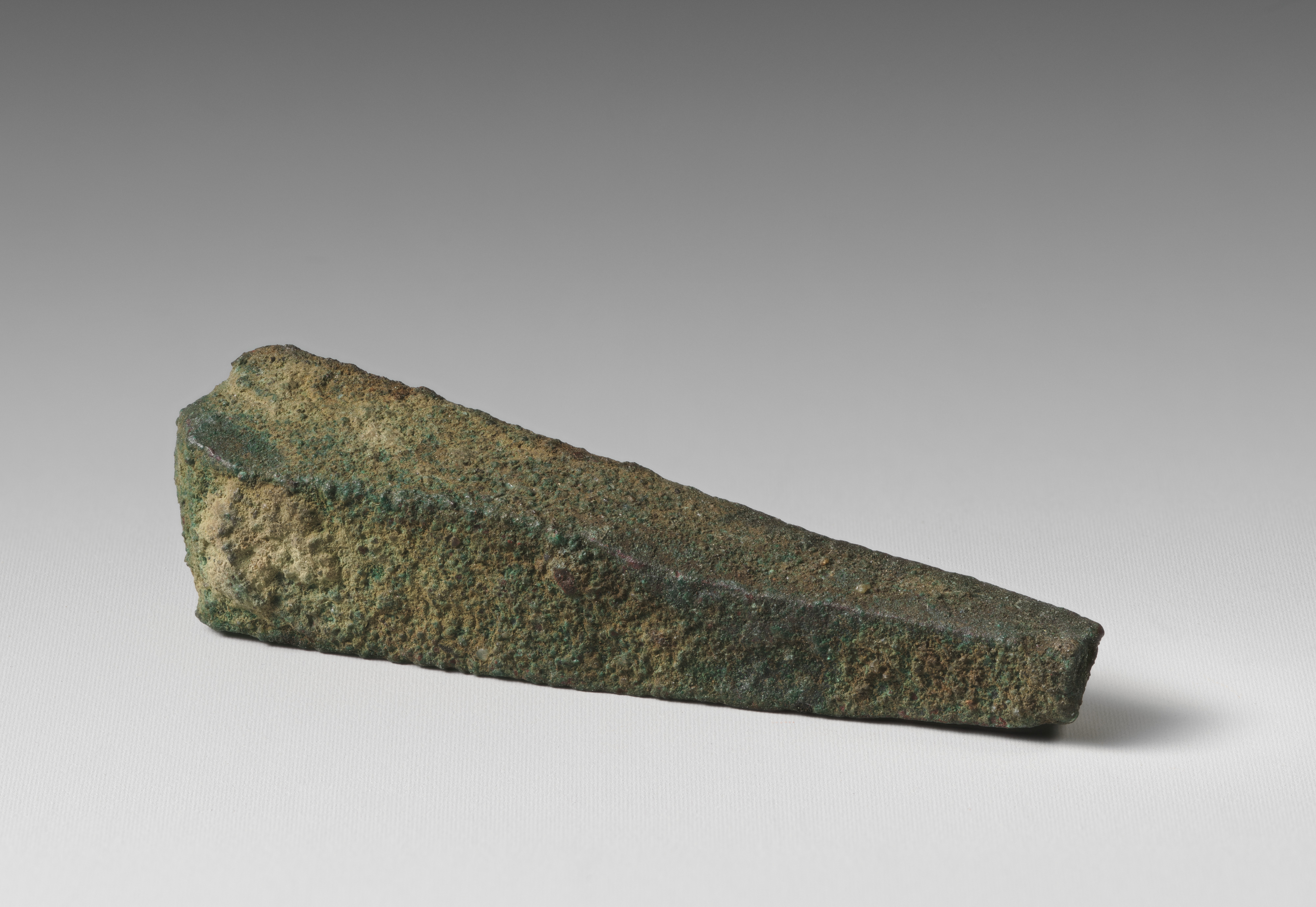
Executive Summary: The Metallic Nail as Foundational Heritage Code
For Katherine Fashion Lab, heritage is not a static archive but a dynamic, strategic resource. This analysis deconstructs the "Nail"—specifically artifacts rendered in bronze or copper alloy from ancient civilizations—to extract a potent, untapped narrative for luxury positioning. Moving beyond mere accessory history, we examine the nail as a primal vector of symbolic power, spiritual boundary-setting, and corporeal adornment. This research posits that the metallic nail, in its ancient context, embodies a foundational paradox: an object of brutal utility transformed into a talisman of protection, status, and connection to the divine. For our 2026 high-end strategy, this translates into a unique brand lexicon centered on architectural integrity, spiritual armor, and alchemical transformation, allowing KFL to launch a category-defining narrative in fine jewelry and objet d'art.
Archaeological and Anthropological Context: The Adorned Fragment
The earliest metallic nails, emerging with the Bronze Age (c. 3300–1200 BCE), were far more than fasteners. Crafted from copper and later sophisticated bronze alloys (copper-tin), their production was itself an act of high alchemy, transforming earth into durable, luminous material. In civilizations from Mesopotamia to Egypt, and later in Rome, these nails were objects of significant material value. However, our strategic interest lies in their ritual and mortuary repurposing. Archaeological finds in Sumerian and Egyptian tombs reveal bronze nails buried not as tools, but as grave goods. They were often bent or "killed," a practice symbolizing the object's spiritual journey with the deceased or the nullification of its utilitarian purpose to activate its symbolic one. This intentional deformation is a critical insight: the first step towards adornment was an act of ceremonial deconstruction.
From Structural Element to Talismanic Adornment
The nail's symbolic migration from architecture to the body is pivotal. In ancient Rome, clavus (nail) held profound public and private meaning. The annual ritual of driving a sacred nail (clavus annalis) into the wall of the Temple of Jupiter Optimus Maximus was a state-sanctioned act to ward off plague and mark time, imbuing the nail with apotropaic (evil-averting) power. Simultaneously, bronze and copper nails were commonly incorporated into jewelry and amulets. Finger rings featuring miniature nails, and pendants shaped as or containing nails, were worn for protection. The medium itself was significant: copper alloys were believed to have medicinal and magical properties, their hue echoing the skin of the gods and the life-giving sun. Thus, the adorned nail became a portable fortress, a condensed symbol of structural strength and spiritual security worn directly on the person.
Decoding the Symbolic Lexicon for Luxury Strategy
The ancient metallic nail presents a dense cluster of symbols directly translatable to high-end consumer desire:
Symbolic Power and Boundary-Marking
The nail is the ultimate symbol of decisive action and permanent claim. It demarcates sacred space, fixes ownership, and assembles disparate elements into a unified, powerful whole. In a luxury context, this translates to identity affirmation and personal sovereignty. The act of "driving" a symbolic nail through a piece of jewelry becomes a metaphor for defining one's values, territory, and legacy.
Spiritual Meaning and Apotropaic Armor
As a spiritual interface, the nail was believed to pierce not just wood, but the veil between the mundane and the divine, or to pin down malevolent forces. This history of protective adornment answers a contemporary yearning for meaningful talismans in an uncertain world. A KFL nail motif ceases to be decorative; it is recast as modern armor—a discreet, intelligent shield for the psyche.
Alchemical Transformation of Value
The journey from raw ore to bronze alloy to sacred object mirrors the luxury alchemy of transforming raw material (precious metals, gems) into emotional and social capital. The nail’s narrative inherently communicates craft, transformation, and intrinsic value, justifying exceptional craftsmanship and price point.
Strategic Application: The 2026 High-End Luxury Vision
For the 2026 collection, Katherine Fashion Lab will launch "Clavus," a standalone haute joaillerie and luxury artifacts line. This strategy moves beyond literal interpretation to architect a modern mythology.
Product Architecture & Narrative
The collection will feature three pillars: 1) Architectural Adornment: Rings, cuffs, and brooches that use the nail as a structural component, employing bronze-dipped gold and patinated copper alloys alongside diamonds, suggesting the nail "fixing" the gemstone into place. 2) Talismanic Objects: Miniature sculptural nails in precious materials, presented in ritualistic cases, to be collected or gifted as symbols of intention-setting. 3) Domestic Ritual: Limited edition art objects, such as bronze alloy "ceremonial nails" with leather folios, transforming the private space into a sanctified environment.
Brand Experience & Client Journey
The purchase of a "Clavus" piece is framed as a commissioning ritual. Clients participate in selecting alloys or setting an intention for their talisman. Marketing will employ stark, powerful imagery drawing on architectural blueprints, alchemical manuscripts, and archaeological field notes. The narrative will not be about "nails," but about foundations, connections, and protective energy.
Market Positioning & Competitive Distinction
While competitors mine organic or classical motifs, KFL's "Clavus" narrative occupies a unique intersection of archaeology, brutalist aesthetics, and neo-spirituality. It appeals to the connoisseur who values intellectual heritage, material authenticity, and symbolic depth over overt display. It is luxury as intelligent armor and personal archaeology.
Conclusion: Re-Forging Heritage for Future Value
The bronze nail of antiquity offers Katherine Fashion Lab a master code. It is an artifact that speaks simultaneously of raw power and refined belief, of structural integrity and spiritual boundary. By strategically interpreting this heritage, KFL can forge a 2026 luxury proposition that is both grounded and transcendent. The "Clavus" line will not merely sell jewelry; it will offer a modern ritual of self-definition, leveraging a 5,000-year-old symbol to meet the contemporary desire for authenticity, protection, and meaning. This is heritage not as nostalgia, but as a strategic tool to build enduring brand equity and category leadership in the high-luxury space.