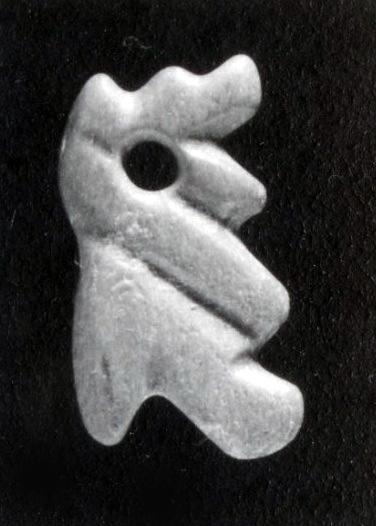
Executive Heritage Analysis: The Taweret Amulet
This strategic standalone research paper presents a comprehensive heritage analysis of the Taweret amulet, an ivory artifact from ancient Egyptian civilization, as commissioned by Katherine Fashion Lab. The analysis examines the amulet’s symbolic power, historical adornment practices, and spiritual meaning, culminating in a forward-looking luxury strategy for the 2026 high-end market. By decoding the cultural DNA of this protective icon, Katherine Fashion Lab can leverage its profound resonance to craft a narrative of strength, fertility, and exclusivity—key pillars for ultra-luxury positioning.
Symbolic Power of the Taweret Amulet
Iconography and Divine Protection
The Taweret amulet, typically carved from ivory, depicts a composite deity with the head of a hippopotamus, the limbs of a lion, the tail of a crocodile, and the back of a pregnant woman. This syncretic form embodies raw, untamed power harnessed for benevolent purposes. In ancient Egyptian cosmology, Taweret (meaning “the great one”) was a household goddess, primarily venerated as a protector of women during childbirth and of children against malevolent forces. The choice of ivory—a material derived from elephant tusks—amplified the amulet’s potency, as ivory was associated with purity, durability, and the sacredness of life. The symbolic power of Taweret lies in her duality: she is both fearsome and nurturing, a guardian who wields aggression to shield the vulnerable. For Katherine Fashion Lab, this duality offers a rich metaphor for modern luxury: a brand that is both formidable in its exclusivity and deeply protective of its clientele’s legacy.
Amulet as a Talisman of Transition
Beyond childbirth, the Taweret amulet served as a talisman during rites of passage, including funerary practices. Placed among tomb goods, it ensured safe passage into the afterlife, reflecting the ancient Egyptian belief in rebirth and continuity. The amulet’s symbolic power thus transcends physical protection, encompassing spiritual transformation. This layered meaning—protection through change—aligns with the aspirations of high-net-worth individuals who seek luxury as a tool for personal evolution and legacy-building. The ivory medium, now ethically problematic, must be reinterpreted in a contemporary context, as discussed later in the strategy section.
Historical Adornment Practices
Materiality and Craftsmanship
Ivory was a prized medium in ancient Egypt, sourced from Nubian and Syrian elephants, and worked by skilled artisans into amulets, jewelry, and ritual objects. The Taweret amulet was typically small—ranging from two to five centimeters—and worn as a pendant on a cord, pinned to garments, or integrated into broad collars. The carving process required exceptional precision, as the material’s organic grain demanded respect for its natural flow. Artisans used copper tools and abrasive sands to shape the ivory, then polished it with oils to achieve a lustrous finish. This craftsmanship imbued the amulet with an aura of rarity and labor-intensive luxury, making it accessible primarily to the elite. For Katherine Fashion Lab, the historical adornment practice underscores the importance of material provenance and artisanal mastery as cornerstones of high-end value.
Social and Ritual Context
Adornment with the Taweret amulet was not merely decorative; it was a ritual act. Women wore it during pregnancy and lactation, while men incorporated it into their daily attire as a protective emblem. The amulet’s placement—often at the chest or hip—aligned with the body’s energy centers, reinforcing its spiritual function. Historical records from the New Kingdom (circa 1550–1070 BCE) indicate that Taweret amulets were also buried with the deceased, suggesting a continuity of care beyond mortal life. This integration of adornment with life-cycle events positions the amulet as a deeply personal, intimate object—a quality that modern luxury brands strive to replicate through bespoke services and narrative-driven collections.
Spiritual Meaning and Cultural Resonance
Fertility and Cosmic Order
At its core, the Taweret amulet embodies the spiritual principle of ma’at—the ancient Egyptian concept of cosmic harmony and balance. Taweret’s aggressive hippopotamus nature was tempered by her maternal aspect, symbolizing the equilibrium between chaos and creation. In religious texts, she was invoked alongside the god Bes to ward off demons and ensure the safe birth of the pharaoh’s heirs. This spiritual meaning resonates with contemporary consumers who seek luxury as a form of self-care and protection against modern anxieties. The amulet’s ivory medium, derived from living creatures, also connected wearers to the natural world, reinforcing a sense of ecological interdependence—a theme that gains urgency in today’s sustainability discourse.
Transcultural Legacy
The Taweret amulet’s influence extends beyond Egypt, appearing in Greco-Roman magical papyri and later in African diaspora traditions. Its enduring appeal lies in its universal archetype: the protective mother. This transcultural resonance offers Katherine Fashion Lab a platform for global storytelling, appealing to diverse markets while maintaining cultural integrity. However, any appropriation must be handled with scholarly care, acknowledging the amulet’s origins to avoid commodification of sacred symbols.
2026 High-End Luxury Strategy
Ethical Material Innovation
The ivory medium, while historically significant, is untenable for modern luxury due to ethical and legal prohibitions (e.g., CITES regulations). Katherine Fashion Lab must pivot to sustainable alternatives that evoke the same tactile and visual qualities. Options include fossilized walrus ivory (mammoth tusk), responsibly sourced tagua nut (vegetable ivory), or advanced bio-resins that mimic organic grain. Each material should be paired with a provenance story: tagua nut supports Amazonian communities; mammoth tusk uses prehistoric resources without harming living species. This ethical recalibration aligns with the 2026 luxury consumer’s demand for transparency and environmental stewardship, transforming a potential liability into a brand differentiator.
Narrative-Driven Design
The Taweret amulet’s symbolic power can be translated into a capsule collection titled “The Great One,” featuring pendants, cuffs, and brooches with modernized iconography. Design elements should abstract Taweret’s features—stylized hippopotamus heads, lion claws, and crocodile scales—into minimalist, geometric forms accessible to contemporary aesthetics. Each piece should include a digital “heritage passport” via NFC tag, providing the wearer with an interactive history of the amulet’s spiritual meaning and craftsmanship process. This narrative layering elevates the product from accessory to artifact, commanding premium pricing.
Exclusive Ritual Experiences
To deepen consumer engagement, Katherine Fashion Lab should launch a private “Ritual of Protection” experience for top-tier clients. Hosted in partnership with Egyptologists and contemporary artists, these events would blend ancient blessing ceremonies with modern luxury hospitality. Participants receive a custom Taweret piece, consecrated through a symbolic ritual, and access to a digital community of collectors. This experiential strategy mirrors the amulet’s historical function as a talisman for life transitions, positioning the brand as a steward of personal transformation.
Market Positioning and Scarcity
The 2026 strategy must leverage extreme scarcity: limited to 2,000 pieces globally, each numbered and accompanied by a certificate of authenticity. Pricing should reflect the material’s ethical sourcing and artisanal labor, targeting ultra-high-net-worth individuals (UHNWIs) in the Middle East, Asia, and North America. Marketing campaigns should avoid overt commercialism, instead using high-art editorial photography and scholarly essays in luxury publications like Cabinet Magazine or Apartamento. The Taweret amulet’s legacy as a protector of lineage aligns with the UHNWI desire for legacy preservation, making it a natural fit for family offices and private client advisors.
Conclusion
The Taweret amulet, in its ivory medium, represents a convergence of symbolic power, historical adornment, and spiritual meaning that is uniquely suited for high-end luxury strategy. By ethically reimagining its materiality, crafting narrative-driven designs, and offering exclusive ritual experiences, Katherine Fashion Lab can position itself at the vanguard of 2026 luxury—a brand that honors ancient wisdom while shaping modern desire. This heritage analysis serves as a strategic blueprint, ensuring that the Taweret amulet’s protective energy is not merely preserved but amplified for a discerning global clientele.