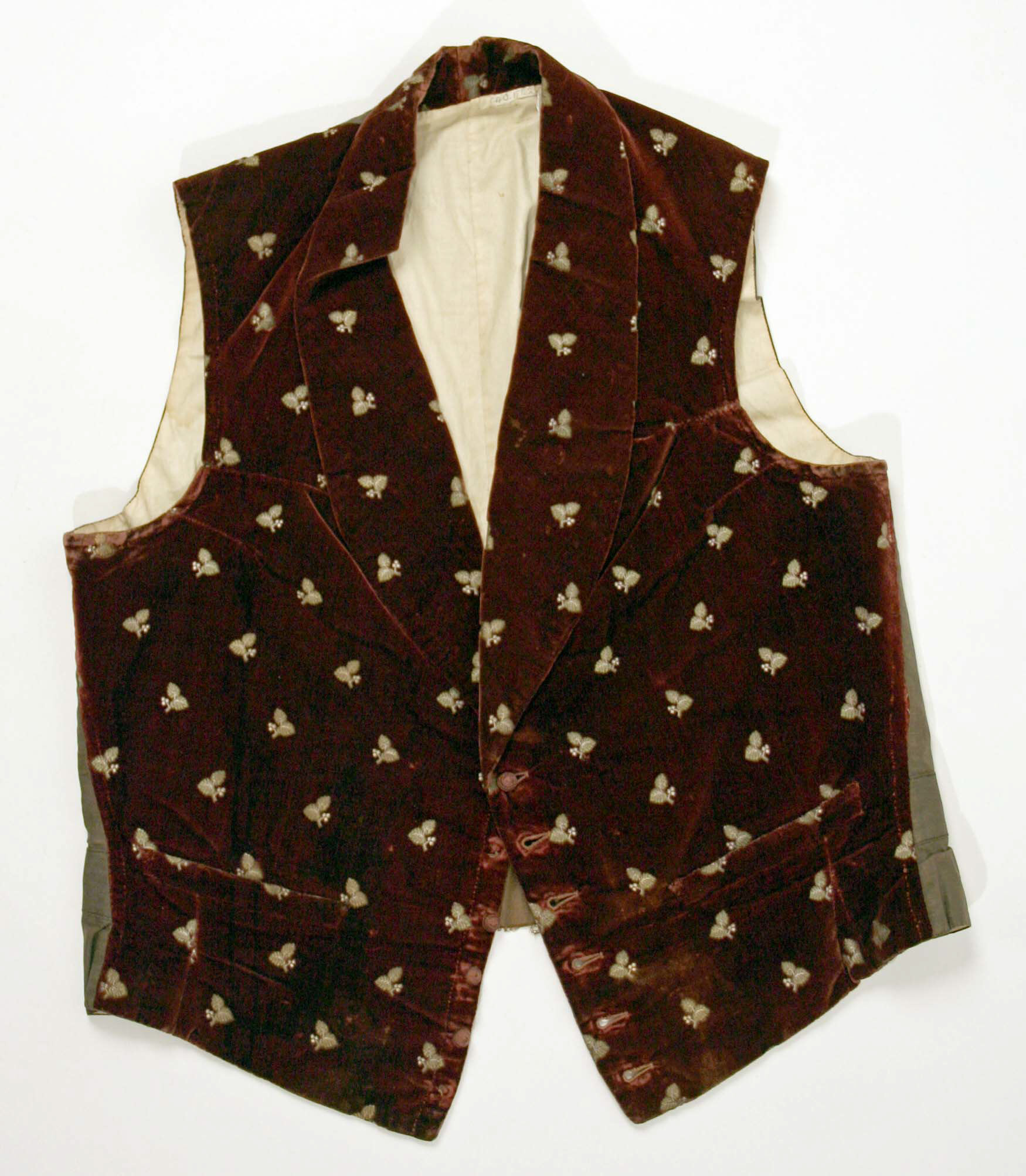
The Vest as a Statement: Deconstructing French Silken Elegance
In the lexicon of haute couture, few garments possess the paradoxical duality of the vest. Simultaneously intimate and public, structural and fluid, the vest has long served as a canvas for sartorial innovation. At Katherine Fashion Lab, this standalone study of a French silk vest transcends mere clothing analysis, evolving into a rigorous examination of materiality, heritage, and modern luxury. Crafted from the finest French silk, this piece is not an accessory but a protagonist—a testament to how a single garment can articulate a narrative of power, sensuality, and meticulous craftsmanship.
The Material Imperative: French Silk as a Conduit of Luxury
The choice of French silk is not arbitrary; it is a deliberate invocation of a centuries-old textile tradition. French silk, particularly from the historic weaving centers of Lyon, represents the pinnacle of fiber engineering. This vest employs a charmeuse weave, characterized by its satin face and matte back, which yields a liquid, almost mercury-like drape. The silk’s natural luster captures light with a subtlety that synthetic fibers cannot replicate, creating a play of shadows that moves with the wearer. Beyond aesthetics, the material’s breathability and thermoregulating properties elevate it from a decorative piece to a functional second skin—a critical consideration for standalone wear, where the vest must perform as both a garment and a statement.
The tactile experience is equally paramount. Running a hand across the fabric reveals a cool, smooth surface that warms to the body’s temperature, forging an intimate connection between the wearer and the garment. This sensory dialogue is a hallmark of Katherine Fashion Lab’s philosophy: clothing should not merely be seen but felt. The silk’s weight, approximately 19 momme, strikes a balance between substantiality and ethereality, ensuring the vest holds its shape without sacrificing fluidity. Such precision in material selection underscores the lab’s commitment to material intelligence—a deep understanding that fabric is not passive but an active participant in design.
Deconstructing the Silhouette: Structural Nuance in a Formless Form
At first glance, the vest appears deceptively simple—a sleeveless, open-front garment. Yet, a closer analysis reveals a masterclass in structural engineering. The vest eschews traditional darts and seams in favor of a draped construction that leverages the silk’s natural bias. This approach allows the fabric to contour the torso without constriction, creating a silhouette that is both architectural and organic. The neckline, a deep V that extends to the solar plexus, elongates the torso while framing the collarbone and décolletage—a deliberate nod to French eroticism, where suggestion triumphs over exposure.
The shoulders are cut with a slight drop, softening the line between garment and body, while the hem falls asymmetrically—longer at the back to create a train-like effect when in motion. This asymmetry introduces a dynamic tension, disrupting the vest’s potential monotony. The closure, or lack thereof, is a critical design choice: there are no buttons, zippers, or hooks. Instead, the vest relies on the wearer’s posture and the silk’s friction to stay in place, transforming the act of wearing into a performative negotiation between fabric and form. This absence of hardware also preserves the garment’s purity, allowing the silk’s texture and color to remain the undisputed focal points.
Color as Narrative: The Chromatic Vocabulary of French Elegance
The vest is presented in a singular, unwavering shade: bleu nuit (midnight blue). This color is not chosen for trend adherence but for its psychological and historical resonance. Midnight blue, a staple of French aristocratic wardrobes since the 18th century, evokes the depth of a moonless sky and the quiet authority of the night. Unlike black, which can read as stark or mourning, bleu nuit offers a softer, more introspective authority—a color that commands attention without demanding it. The silk’s sheen amplifies this effect, creating a gradient of luminosity from deep indigo to almost-black, depending on the light angle.
This chromatic strategy aligns with the vest’s standalone context. Without competing patterns or embellishments, the color becomes the sole visual narrative, inviting the viewer to linger on the interplay of light and shadow. The absence of print also allows the silk’s natural irregularities—slubs, slight variations in dye absorption—to become visible, celebrating the imperfect perfection of handmade luxury. In a market saturated with mass-produced prints, this vest’s monochrome purity is a radical act of restraint.
Cultural and Historical Anchoring: The French Vest as a Symbol
To understand this vest is to situate it within the broader French tradition of the gilet. Historically, the vest emerged as a masculine garment in the 17th century, worn beneath the justaucorps as a symbol of status and self-control. Over centuries, it migrated across genders and classes, evolving into a unisex emblem of refinement. Katherine Fashion Lab’s interpretation reclaims this heritage while subverting it. The vest’s fluidity and lack of closures challenge the rigid, buttoned-up masculinity of its ancestors, proposing instead a vision of elegance that is soft, mutable, and sensuous.
This subversion is particularly potent in the context of French fashion, which has long oscillated between structure (the corset, the tailored suit) and liberation (the bias-cut dress, the draped gown). The vest occupies a liminal space between these poles—neither fully structured nor wholly free. It is a garment of controlled abandon, where discipline and desire coexist. This duality resonates with contemporary cultural dialogues around gender fluidity and body autonomy, positioning the vest as both a historical artifact and a forward-thinking statement.
Wearability and the Art of Standalone Expression
As a standalone study, the vest demands a reexamination of its role in the wardrobe. It is not a layering piece but a primary garment—a fact that influences every design decision. The silk’s opacity is rigorously tested to ensure modesty without linings, which would compromise the fabric’s drape. The armholes are cut high and narrow, preventing gaping while allowing full range of motion. The interior is finished with French seams, a technique that encloses raw edges for a clean, durable finish—a detail invisible to the observer but vital to the wearer’s comfort.
The vest’s versatility is its quiet superpower. It can be worn open over bare skin, cinched with a leather belt, or paired with tailored trousers for a full look. Its neutrality allows it to anchor bold accessories or stand alone as a minimalist statement. In the context of Katherine Fashion Lab’s ethos, this vest exemplifies conscious luxury: a single, impeccably crafted piece that reduces the need for excessive consumption while maximizing aesthetic and emotional impact.
Conclusion: The Vest as a Manifesto
This French silk vest is far more than a garment; it is a manifesto for a new kind of couture—one that values material integrity, historical depth, and sensory experience over spectacle and novelty. Through its deliberate choice of silk, its sculptural yet unrestrictive silhouette, its monochrome narrative, and its cultural resonance, the vest challenges the wearer to reconsider what luxury means. It is not about opulence but about intimacy, not about decoration but about essence. In the hands of Katherine Fashion Lab, the vest becomes a standalone study in how a single piece of clothing can articulate a philosophy: that true elegance lies in the quiet, confident marriage of craft and concept.