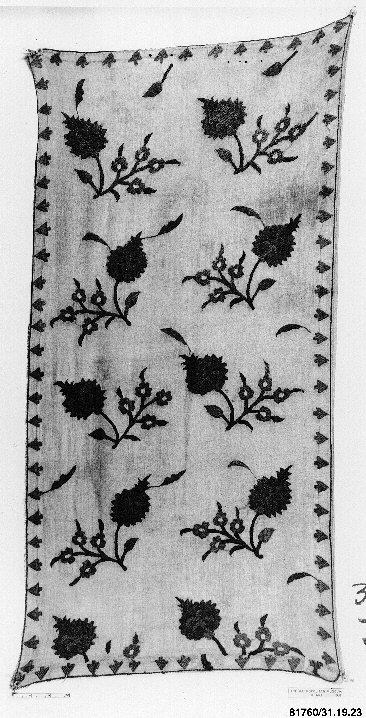
The Linen Scarf: A Study in Global Heritage and Embroidered Lineage
Within the hallowed ateliers of Katherine Fashion Lab, we do not merely observe accessories; we dissect their narrative architecture. The scarf, often relegated to the periphery of seasonal wardrobes, is here elevated to a subject of rigorous couture analysis. Our subject today—a linen scarf, hand-embroidered, its origins a tapestry of global heritage—demands a study that transcends mere adornment. It is a standalone artifact, a portable heirloom, and a testament to the enduring dialogue between raw material and human artistry.
Material Provenance: The Unyielding Grace of Linen
Linen, derived from the flax plant, is a fabric of profound historical gravitas. Unlike the supple surrender of silk or the thermal opulence of cashmere, linen possesses a structural integrity that speaks to resilience. Its fibers are hollow, offering breathability and a natural luster that only deepens with wear. For Katherine Fashion Lab, the selection of linen for this scarf is a deliberate act of defiance against ephemeral trends. It is a material that does not yield to haste; it requires patience in cultivation, precision in harvesting, and mastery in weaving. The global heritage of linen—from the mummy wraps of ancient Egypt to the trousseaus of Renaissance Europe—imbues this scarf with a lineage of utility and reverence. Here, it is not a backdrop but a protagonist, its crisp hand and subtle slubs providing a tactile canvas for the embroidery that follows.
Embroidery as Cartography: Mapping Cultural Memory
The embroidery upon this scarf is not decorative whim; it is a cartographic exercise in global heritage. Threads of silk and cotton, in hues of indigo, ochre, and vermilion, trace motifs that borrow from the geometric rigor of Berber textiles, the floral abundance of Mughal miniatures, and the symbolic stitchwork of Eastern European folk traditions. Each embroidered element is a node in a network of cultural exchange. The satin stitch here mimics the reflective quality of water, a nod to the riverine civilizations that first cultivated flax. The chain stitch recalls the nomadic pathways of the Silk Road, where scarves once served as currency, status markers, and talismans.
This is not appropriation but curation. Katherine Fashion Lab employs artisans who work in dialogue with these traditions, not as mere copyists but as interpreters. The embroidery is executed by hand, each stitch a deliberate pause in the industrial rush. The result is a piece that does not shout its heritage but whispers it through texture and tension. The scarf becomes a palimpsest: over the linen’s foundational narrative, the embroidery writes new chapters of global connectivity.
Structural Architecture: The Scarf as a Standalone Object
In this study, the scarf is examined as an autonomous entity, removed from the context of the neck or the handbag. Its dimensions—approximately 70 by 180 centimeters—are calculated to allow for multiple conformations: a dramatic shawl, a sculptural headwrap, or a minimalist statement when draped over a shoulder. The edges are finished with a hand-rolled hem, a detail that signals couture-level attention. The weight of the linen, at 180 grams per square meter, provides sufficient drape without sacrificing the fabric’s characteristic crispness.
The embroidery is concentrated along the terminal ends and the central panel, creating a visual rhythm that guides the eye. Negative space is not an absence but a compositional choice. The unadorned linen acts as a breathing room, allowing the embroidered motifs to resonate without visual fatigue. This balance between density and restraint is a hallmark of advanced design thinking. The scarf does not demand to be the center of attention; it commands it through subtlety.
Global Heritage as a Design Lens
To analyze the scarf through the lens of global heritage is to acknowledge that fashion is never created in a vacuum. The linen fiber itself is a global traveler—cultivated in Normandy, spun in Italy, woven in Japan. The embroidery threads source their indigo from India, their cochineal from the Americas. The artisans who stitch the motifs may be based in a single atelier, but their hands carry the memory of generations of textile workers from disparate geographies.
This scarf therefore functions as a microcosm of cultural exchange. It resists the homogenization of fast fashion by insisting on specificity. The motifs are not generic; they are researched, adapted, and executed with a fidelity to their origins while remaining legible within a contemporary aesthetic. The result is a piece that can be worn by a curator in Tokyo, a collector in Milan, or a designer in São Paulo, each bringing their own cultural lens to its interpretation. The scarf does not impose a single narrative; it invites multiple readings.
Contextual Autonomy: The Scarf as a Standalone Study
In the context of a standalone study, this scarf is not a prop for an outfit but a subject of inquiry. It asks questions about value: What is the worth of a hand-embroidered linen scarf in an era of machine-made abundance? It interrogates speed: Why invest hours in a single stitch when a laser can replicate a pattern in seconds? It challenges the viewer to consider provenance: Where did this fiber grow, whose hands shaped it, and what stories are embedded in its threads?
The answers are not sentimental but strategic. Katherine Fashion Lab positions this scarf as an investment in cultural literacy. It is a piece that appreciates not in monetary terms but in narrative depth. With each wear, the linen softens, the embroidery gains a patina, and the object accrues the biography of its owner. It becomes a diary of travels, of conversations, of moments of stillness. This is the ultimate luxury: an object that does not merely accessorize life but participates in it.
Conclusion: The Embodied Archive
To conclude this analysis, the linen embroidered scarf from Katherine Fashion Lab is not a product but an archive. It archives the global journey of flax, the precision of handwork, and the resilience of cultural motifs that have survived centuries of change. It stands alone as a study in material integrity, design intelligence, and heritage mindfulness. For the discerning collector, it is a reminder that the most profound fashion statements are not loud but layered, not novel but rooted. In a world of disposable trends, this scarf is an act of preservation—a thread that connects the past to the future, one stitch at a time.