Heritage Analysis: The Carved Wooden Carriage Frontispiece as a Blueprint for 2026 Luxury Strategy
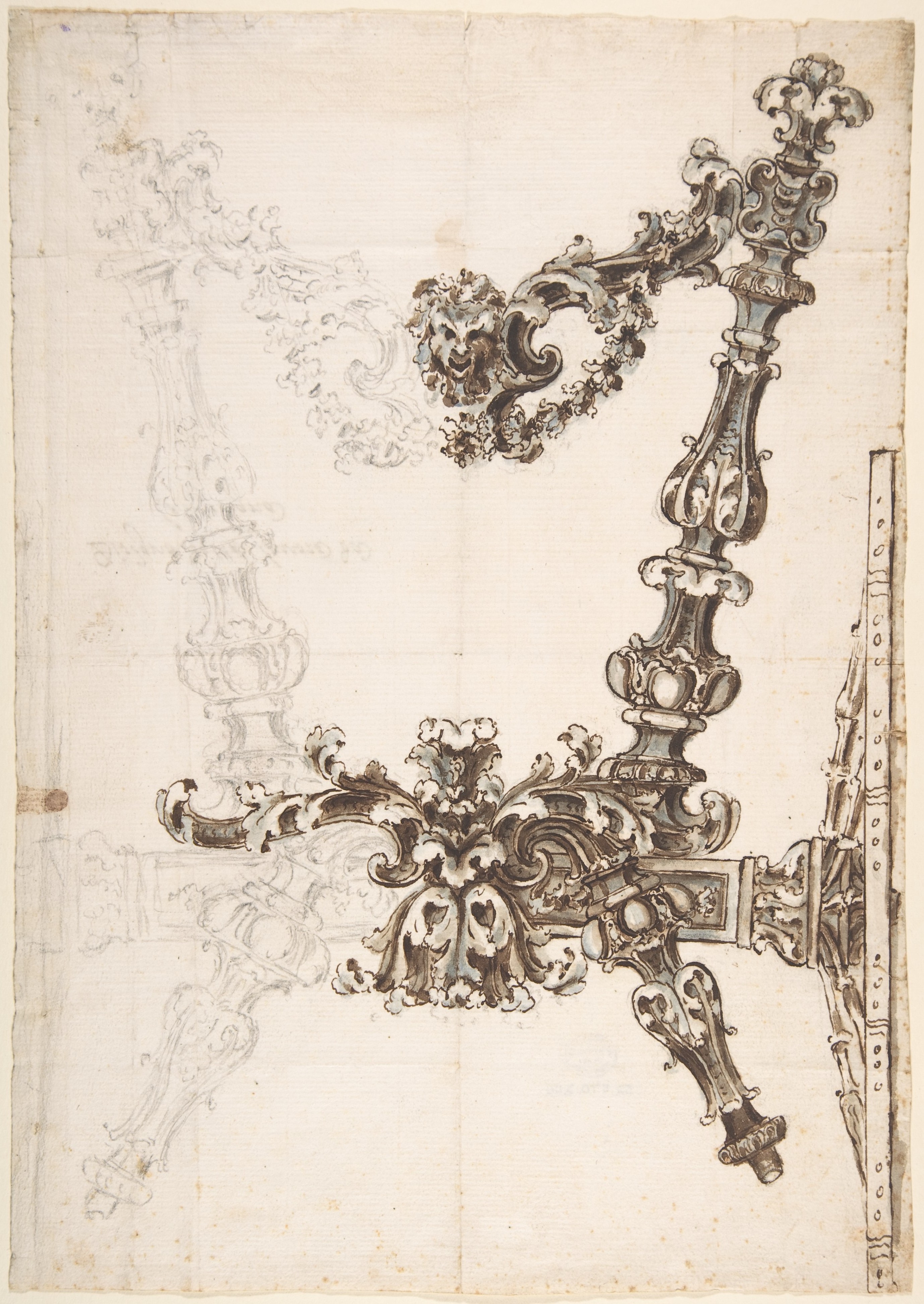
This analysis examines a singular artifact: the frontal view of a main carved wooden structure from a carriage, originating from an ancient civilization. The artwork, rendered in leadpoint, pen and ink, and gray and brown wash, presents a deliberate asymmetry—the left side executed in leadpoint on a larger scale, the right in pen and ink and wash. This technical duality is not merely aesthetic; it encodes a sophisticated dialogue between symbolic power, historical adornment, and spiritual meaning. For Katherine Fashion Lab, this artifact serves as a strategic standalone research object, offering a rich lexicon of motifs, materials, and hierarchical structures that can be translated into a 2026 high-end luxury strategy rooted in narrative authority, artisanal depth, and metaphysical resonance.
Symbolic Power: The Carriage as a Mobile Throne of Authority
The frontal view of a carriage’s main carved wooden structure is a declaration of sovereignty. In ancient civilizations—whether Mesopotamian, Egyptian, or Zhou dynastic—the carriage was not merely transport but a ceremonial apparatus that projected the ruler’s dominion over space and time. The carved frontispiece, often depicting deities, mythical beasts, or ancestral figures, functioned as a threshold guardian. It announced the occupant’s divine mandate before a single word was spoken.
The left-side leadpoint rendering, larger in scale, suggests a focus on primary symbolism: perhaps a sun disk, a lion’s mane, or a winged emblem. Leadpoint, with its soft, mutable lines, conveys a sense of draftsmanship as power—the initial, authoritative sketch of cosmic order. In contrast, the right side’s pen and ink and wash technique implies refinement and permanence, the codification of that authority into ritualized form. For luxury strategy, this duality mirrors the tension between raw ambition (the leadpoint sketch) and polished execution (the inked final). A 2026 collection could adopt this asymmetry as a design principle: one side of a garment or accessory rendered in bold, unrefined strokes, the other in meticulous detail, symbolizing the journey from vision to mastery.
The spiritual meaning of such carvings often centered on protection and transcendence. The carriage was a vessel between earthly and divine realms. The frontispiece’s carved eyes, for instance, were believed to see beyond the physical, warding off malevolent forces. Katherine Fashion Lab can reinterpret this as “protective luxury”—pieces that shield the wearer not just from elements but from spiritual erosion. This could manifest in amuletic jewelry, embroidered eye motifs, or structural silhouettes that evoke the carriage’s fortified front.
Historical Adornment: Material and Technique as Status Markers
The artifact’s medium—leadpoint, pen and ink, and gray and brown wash—reveals a deliberate hierarchy of materials. Leadpoint, a precursor to graphite, was prized for its precision and rarity in antiquity. Its use on the left side suggests primary importance, perhaps reserved for the most sacred iconography. The right side’s pen and ink and wash, while equally skilled, implies a secondary, more decorative layer. This stratification echoes ancient adornment practices: gold and lapis lazuli for the ruling class, copper and carnelian for the elite, and organic dyes for commoners.
The gray and brown wash introduces tonal depth, mimicking the patina of aged wood or the shadows cast by carved relief. In historical context, such washes were often made from carbon black or iron oxide, materials with ritual significance—carbon for eternity, iron for strength. For Katherine Fashion Lab, this suggests a palette of prestige: deep charcoals, sepia tones, and metallic grays that evoke ancient authenticity. A 2026 luxury line could incorporate patina finishes on leather, wood, or metal, treating wear as a narrative of time rather than damage.
The asymmetry of scale—left larger, right smaller—may also reflect spatial hierarchy in ancient courts. The left side was often the “seat of honor” in processions, the direction from which blessings flowed. This can inform garment construction: a jacket with a pronounced left lapel, an asymmetrical hem, or a single oversized sleeve, all signaling asymmetrical power. Such designs challenge conventional symmetry, aligning with the 2026 luxury trend toward imperfect perfection—handcrafted irregularities that signify artisanal uniqueness.
Spiritual Meaning: The Carriage as Cosmic Axis
In many ancient cosmologies, the carriage served as a microcosm of the universe. Its frontispiece was the axis mundi, the point where heaven, earth, and underworld intersected. Carved motifs often included celestial bodies, underworld guardians, and earthly flora, creating a complete symbolic ecosystem. The left-side leadpoint, with its larger scale, may depict the celestial realm—the sun or moon—while the right-side ink and wash represents the terrestrial or chthonic—rivers, serpents, or harvest. This duality mirrors the spiritual journey: ascent and descent, life and death.
For Katherine Fashion Lab, this offers a narrative framework for collections. Each piece could be conceived as part of a cosmic wardrobe: a coat that “ascends” with embroidered stars on one side and “descends” with earth-toned woven roots on the other. The spiritual meaning extends to ritual wear—garments designed for specific ceremonies, from dawn meditations to dusk celebrations. The 2026 strategy could include limited-edition “carriage series” pieces, each numbered and tied to a celestial event, reinforcing exclusivity and metaphysical value.
The wash technique, with its translucent layers, evokes spiritual veiling—the idea that divine truth is only partially visible. Luxury in 2026 may increasingly value opacity and revelation: fabrics that shift opacity with light, linings that reveal hidden symbols, or closures that require ritualized opening. This aligns with the artifact’s suggestion that true power is not fully displayed but strategically disclosed.
2026 High-End Luxury Strategy: Translating the Carriage Frontispiece
Katherine Fashion Lab can operationalize this heritage analysis into a three-pillar strategy for 2026: Narrative Asymmetry, Sacred Materiality, and Ritual Presentation.
Narrative Asymmetry
Embrace the left-right duality as a design signature. Offer garments and accessories where one side is “raw” (unfinished seams, sketch-like embroidery) and the other is “refined” (polished, detailed). This creates a visual story of creation, appealing to clients who value process over product. Marketing materials should emphasize the “leadpoint vs. ink” concept, positioning each piece as a unique artifact with a hidden genesis.
Sacred Materiality
Source materials that echo the artifact’s medium: hand-hammered metals with patina, wood carvings from sustainably harvested ancient forests, and natural pigments for dyes (charcoal, ochre, indigo). Collaborate with contemporary artisans who use leadpoint or ink techniques in textile design. The 2026 collection should feel heavier, darker, and more tactile—a rebellion against digital lightness. Limited runs of “wash” finishes on silk or cashmere, mimicking the gray and brown wash, can become signature textures.
Ritual Presentation
Reimagine the retail experience as a carriage procession. Boutiques should be designed as “threshold spaces” with carved wooden frontispieces, asymmetrical layouts, and lighting that shifts from left (bright, celestial) to right (dim, terrestrial). Launch events could mimic ancient processions, with models carrying symbolic objects. Each purchase includes a “spiritual dossier”—a small booklet explaining the piece’s symbolic power, akin to the artifact’s technical notes.
Finally, the 2026 strategy must anchor itself in cultural stewardship. The artifact is not merely decorative; it is a record of human ambition and belief. Katherine Fashion Lab should partner with museums or archaeological institutes to authenticate motifs and ensure respectful representation. This adds intellectual depth to the brand, distinguishing it from superficial trend-following.
In conclusion, the frontal view of the carved wooden carriage frontispiece is a masterclass in symbolic economy. Its asymmetry, material hierarchy, and spiritual layering offer a complete toolkit for luxury that speaks to power, permanence, and purpose. For Katherine Fashion Lab, 2026 is not a year of new trends but of ancient truths reimagined—where every stitch, every shade, every asymmetrical line carries the weight of a carriage that once carried kings.