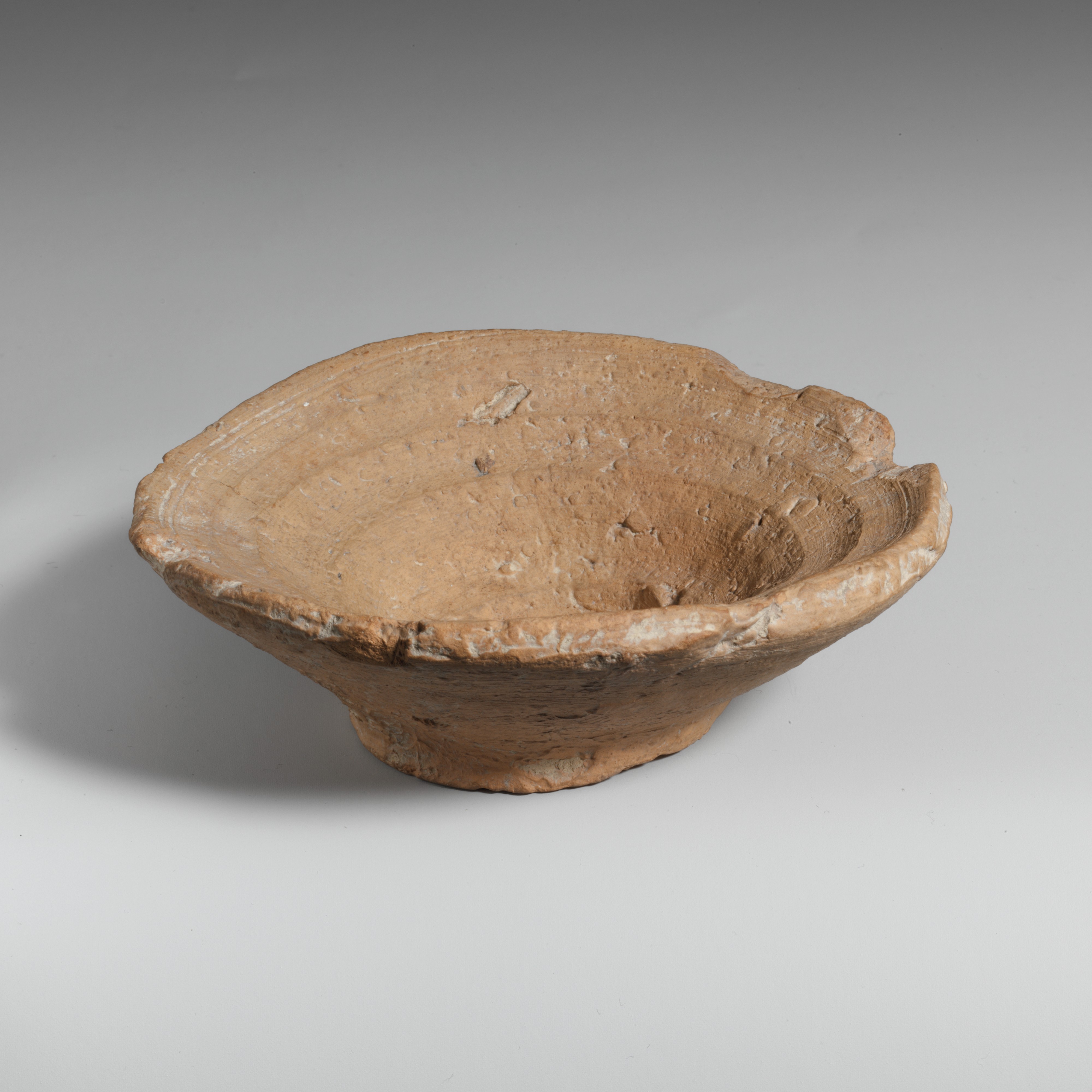
Heritage Analysis: Minoan Terracotta Shallow Bowl
This report presents a strategic heritage analysis of a Minoan terracotta shallow bowl, commissioned by Katherine Fashion Lab for standalone research. The analysis examines the object’s symbolic power, historical adornment, and spiritual meaning, then translates these insights into a high-end luxury strategy for 2026. The Minoan civilization, flourishing on Crete from approximately 2700 to 1450 BCE, is renowned for its sophisticated art, maritime trade, and reverence for nature. The terracotta shallow bowl, a humble yet potent artifact, embodies the Minoan worldview—one that intertwined daily utility with profound spiritual expression. For Katherine Fashion Lab, this object offers a blueprint for creating luxury that is both timeless and deeply resonant, aligning with contemporary desires for authenticity, narrative, and sustainability.
Symbolic Power of the Minoan Terracotta Shallow Bowl
Iconography and Social Signaling
The Minoan shallow bowl, often decorated with spirals, marine motifs, or floral patterns, served as a canvas for symbolic communication. The spiral, a recurring Minoan symbol, represents infinity, cyclical renewal, and the labyrinth—a core mythological reference. Marine imagery, such as octopuses or dolphins, signals the Minoans’ mastery of the sea and their dependence on maritime trade. These motifs were not merely decorative; they conveyed status, regional identity, and cosmological beliefs. In a luxury context, the bowl’s symbolic power lies in its ability to encode meaning through form and decoration. For Katherine Fashion Lab, this suggests a strategy where design elements serve as visual shorthand for brand values—such as resilience, fluidity, or connection to nature—creating a silent but potent language of prestige.
Power Through Materiality
Terracotta, derived from clay, is inherently earth-bound and humble. Yet, in Minoan hands, it was transformed into a vessel of ritual and daily life. The material’s fragility and permanence—fired clay endures millennia—mirrors the tension between ephemeral beauty and lasting legacy. This duality is crucial for high-end luxury: the 2026 consumer seeks objects that are both intimate and monumental. By emphasizing the raw, tactile quality of terracotta, Katherine Fashion Lab can position its collections as grounded yet aspirational, celebrating imperfection as a marker of authenticity. The symbolic power of the bowl thus resides not in opulence but in its honest materiality, a counterpoint to the excess of conventional luxury.
Historical Adornment and Craftsmanship
Techniques and Labor
Minoan potters employed hand-building and wheel-throwing techniques, often finishing surfaces with a slip—a liquid clay mixture—that yielded a lustrous sheen. Decoration was applied using dark paint on a light background, a technique known as “dark-on-light” pottery. The precision of these designs, executed without modern tools, underscores the value of artisanal labor. For Katherine Fashion Lab, this historical precedent reinforces the importance of craftsmanship as a luxury differentiator. In 2026, the market will increasingly prize objects that tell a story of human skill over machine efficiency. The bowl’s adornment—its painted narratives—offers a model for integrating storytelling into product design, where each piece becomes a unique artifact of cultural memory.
Adornment as Identity
In Minoan society, adorned objects—whether pottery, jewelry, or textiles—signaled social roles and affiliations. The shallow bowl, used in domestic and ritual settings, adorned daily life with beauty. This concept of “adornment as identity” aligns with luxury’s function as a marker of personal and social identity. Katherine Fashion Lab can draw on this by designing collections that serve as extensions of the wearer’s or user’s self-narrative. For instance, a garment or accessory inspired by the bowl’s spiral motif could symbolize personal growth, while the use of terracotta tones could evoke groundedness. Historical adornment thus becomes a tool for creating emotional resonance, transforming objects into intimate companions.
Spiritual Meaning and Ritual Context
Sacred Vessels in Minoan Religion
The Minoan shallow bowl frequently appears in archaeological contexts associated with religious practice—sanctuaries, peak sanctuaries, and domestic shrines. These bowls likely held offerings of grain, oil, or wine, serving as intermediaries between the human and divine. The Minoan pantheon, centered on a Mother Goddess and nature deities, emphasized fertility, cycles of life, and the sacredness of the natural world. The bowl’s spiritual meaning thus resides in its role as a container for transformation—a vessel that holds and mediates spiritual energy. For luxury brand strategy, this invites a focus on the ritualistic aspects of consumption. In 2026, high-end consumers will seek products that facilitate personal rituals—moments of mindfulness, connection, or celebration. Katherine Fashion Lab can create “ritual-ready” collections: a scarf that becomes a meditation shawl, a perfume bottle designed as an offering vessel, or a ceramic-inspired accessory that anchors a daily practice.
Spiritual Sustainability
The Minoan relationship with the environment was one of reverence, not exploitation. Their art reflects a worldview where nature is sacred. This spiritual sustainability—honoring the earth through material choices—resonates powerfully with 2026 luxury trends. Katherine Fashion Lab can position its heritage-inspired designs as part of a broader commitment to ecological stewardship. By using natural, biodegradable materials like terracotta-inspired textiles or clay-based pigments, the brand aligns itself with a spiritual ethos that values preservation over consumption. The shallow bowl, as an object that has survived for millennia, becomes a metaphor for sustainable luxury: enduring, meaningful, and respectful of its origins.
2026 High-End Luxury Strategy
Translating Heritage into Modern Luxury
For Katherine Fashion Lab, the Minoan terracotta shallow bowl is not merely an artifact but a strategic asset. The 2026 luxury market will be defined by a shift from ostentation to intentionality. Consumers will demand narratives of provenance, craftsmanship, and cultural depth. The bowl’s heritage—its Minoan origin, its symbolic language, its spiritual function—provides a rich foundation for a brand story that is both authentic and aspirational. A practical strategy involves creating a limited-edition collection titled “The Labyrinth Line,” featuring designs that incorporate spiral motifs, terracotta hues, and textured finishes. Each piece could be accompanied by a digital passport detailing its inspiration from Minoan symbolism, thereby satisfying the consumer’s desire for transparency and connection.
Experiential and Ritual-Based Engagement
Luxury in 2026 will increasingly be experiential. Katherine Fashion Lab can leverage the bowl’s ritual context by hosting immersive events—such as a “Minoan Evening” where guests participate in a symbolic offering ceremony using specially designed objects. These events would not only sell products but also build community and brand loyalty. Additionally, the brand could develop a “Ritual Kit” inspired by the shallow bowl, containing items for personal meditation or daily gratitude practices. This transforms the product from a passive object into an active participant in the consumer’s life, reinforcing emotional attachment.
Material Innovation and Sustainability
The terracotta bowl’s materiality suggests a direction for sustainable luxury. Katherine Fashion Lab can pioneer the use of advanced bio-ceramics or clay-infused textiles that mimic the tactile and visual qualities of terracotta while offering modern performance. These materials could be marketed as “earth-born luxury,” emphasizing biodegradability and low environmental impact. The brand could also partner with artisans in Crete to produce limited-run pottery accessories, creating a direct link to Minoan heritage. This strategy not only differentiates the brand but also supports cultural preservation, a key value for the discerning luxury consumer of 2026.
Price Positioning and Exclusivity
Given the deep cultural and spiritual resonance of the Minoan bowl, Katherine Fashion Lab should position its heritage-inspired collections at the highest price tier. Exclusivity can be achieved through numbered editions, invitation-only previews, and personalized consultations. The narrative of rarity—that each piece carries the weight of millennia—justifies premium pricing. For example, a hand-painted silk scarf featuring a Minoan spiral pattern could retail at $2,500, with a portion of proceeds funding archaeological conservation. This creates a virtuous cycle of luxury, heritage, and social impact.
Conclusion
The Minoan terracotta shallow bowl is a testament to the enduring power of symbolic design, artisanal craftsmanship, and spiritual meaning. For Katherine Fashion Lab, this artifact offers a strategic roadmap for 2026: luxury that is rooted in heritage, expressed through material honesty, and elevated by ritual significance. By translating the bowl’s essence—its spirals, its earthiness, its sacred function—into modern collections, the brand can capture the imagination of a new generation of luxury consumers who seek depth, authenticity, and connection. The result is not just fashion or objects, but a legacy that honors the past while shaping the future.