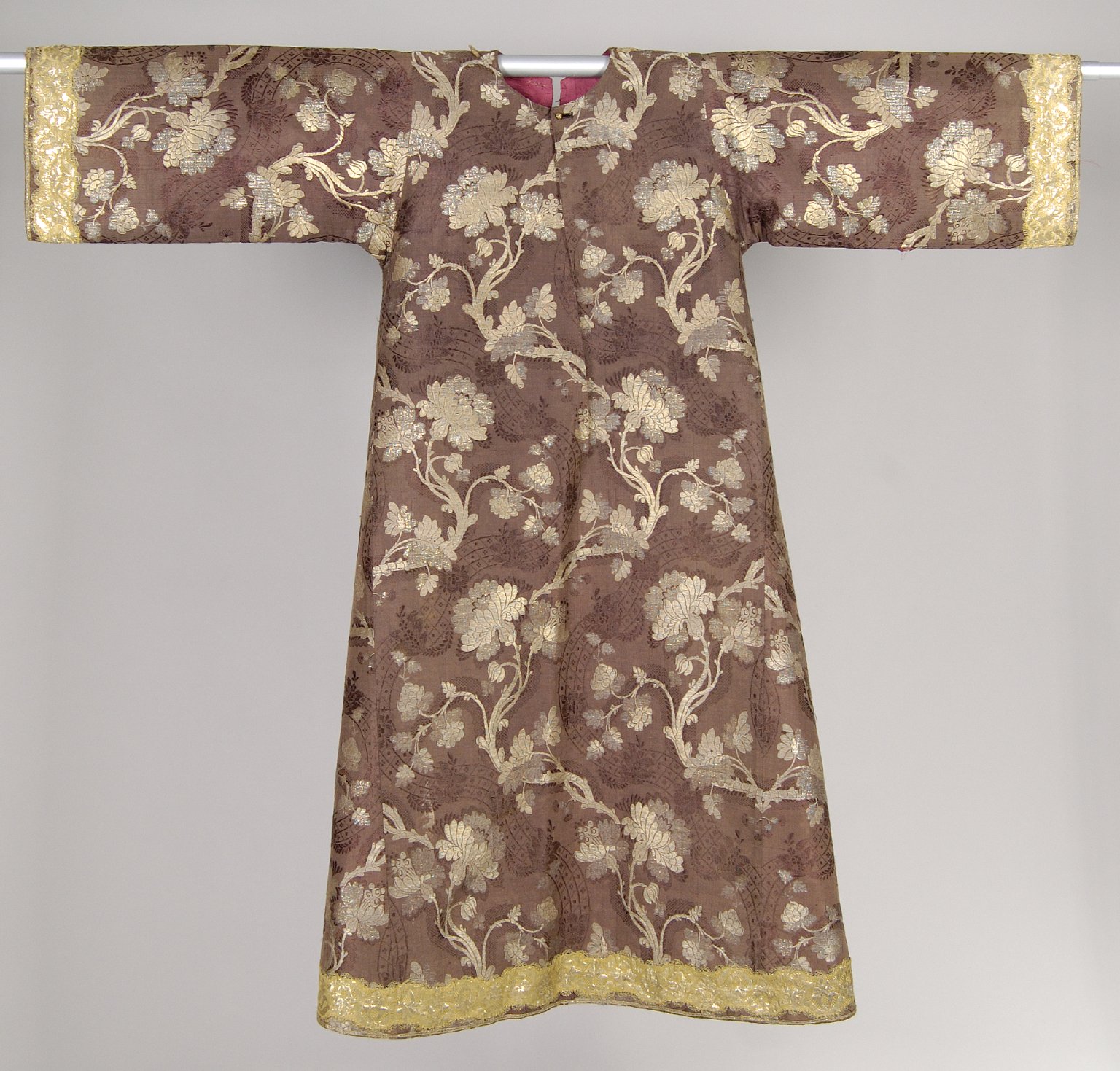
Heritage Analysis: The Dalmatic as a Strategic Archetype for Katherine Fashion Lab
The dalmatic, a garment of profound historical and spiritual resonance, emerges from the crucible of ancient civilization as a potent symbol of hierarchical authority and divine intermediation. For Katherine Fashion Lab, this vestment offers a unique strategic repository—a blueprint for infusing 2026 high-end luxury collections with layers of symbolic power, historical adornment, and spiritual meaning. This analysis dissects the dalmatic’s heritage, translating its ancient codes into a contemporary luxury strategy that resonates with discerning clientele seeking authenticity, transcendence, and cultural depth.
Symbolic Power: The Garment as a Marker of Authority
In its original ancient context—whether within the Byzantine court, the Roman imperial hierarchy, or early Christian ecclesiastical orders—the dalmatic was not merely clothing; it was a meticulously coded instrument of power. Its primary symbolic function was to visually demarcate the wearer from the laity, establishing a tangible hierarchy between the earthly and the divine, the ruler and the ruled. The garment’s wide, tunic-like silhouette, often reaching to the knees or lower, signified a state of grace and elevated status. The very act of donning the dalmatic was a ritual of investiture, transforming the individual into a vessel of institutional or spiritual authority.
For Katherine Fashion Lab, this symbolism translates directly into a luxury strategy centered on curated exclusivity and authoritative presence. The 2026 collection can reimagine the dalmatic’s silhouette—its generous cut and structured shoulders—as a statement of quiet power, not aggressive dominance. The garment becomes a wearable manifesto for the modern leader: the CEO, the cultural curator, the spiritual seeker. By incorporating subtle, asymmetric closures or hidden fastenings, the design echoes the ancient idea of a garment that must be “opened” or “conferred” by a higher authority, thereby imbuing the wearer with an aura of earned privilege. The symbolic power is further amplified through the use of metallic thread, which, in ancient times, was reserved for the elite. Today, a restrained application of gold or silver Lurex woven into silk creates a micro-texture that catches light only in movement, whispering of wealth and heritage without overt display.
Historical Adornment: The Language of Material and Motif
The dalmatic’s history is inseparable from its materiality and the specific language of its adornment. Ancient dalmatics were crafted from the finest available textiles—often silk, imported along the Silk Road, a commodity as valuable as gold. This silk served as a canvas for metallic embroidery, typically executed in gold or silver thread. The motifs were not arbitrary; they were deeply symbolic. Clavi (vertical stripes) running from shoulder to hem, for example, represented the rays of the sun or the descent of divine light. Orphreys (horizontal bands) marked the boundaries between the earthly and the celestial. Embroidered figures of saints, angels, or imperial icons transformed the garment into a portable iconostasis—a narrative woven into the fabric itself.
Katherine Fashion Lab can strategically mine this historical language for the 2026 collection. The use of silk as the primary medium is non-negotiable; it is the fabric of heritage, of fluidity, and of tactile luxury. However, the innovation lies in the metallic application. Instead of literal religious iconography, the Lab can develop a proprietary motif library based on abstracted geometric forms—fractals, celestial maps, or stylized botanical patterns—that evoke the same sense of cosmic order and sacred geometry. These motifs can be applied via hand-embroidery or advanced jacquard weaving, creating a surface that is both historically literate and undeniably modern. The clavi, for instance, can be reinterpreted as architectural lines that visually elongate the torso, while orphreys become subtle, tonal bands that add structure without rigidity. This approach allows the garment to carry the weight of history without becoming a costume, appealing to clients who value intellectual provenance as much as aesthetic beauty.
Spiritual Meaning: The Garment as a Vessel for Transcendence
At its core, the dalmatic served a spiritual function: it was a garment of ritual, designed to facilitate a connection between the human and the divine. In early Christian liturgy, the dalmatic was worn by deacons during the Eucharist, symbolizing the yoke of Christ and the joy of salvation. In Byzantine court ceremonial, it was part of the loros ensemble, signifying the emperor’s role as God’s representative on earth. The garment’s weight, its drape, and the sound of its metallic threads were all part of a sensory experience designed to elevate the wearer and the observer beyond the mundane.
For the 2026 luxury consumer, spiritual meaning is increasingly sought through material objects that offer a sense of grounding, ritual, and transcendence. Katherine Fashion Lab can position the dalmatic as a meditative garment—a piece that requires a deliberate, almost ceremonial act of dressing. The weight of the silk and the cool touch of the metallic embroidery against the skin become part of a personal ritual of intention. The garment’s inherent structure, with its wide sleeves and flowing body, allows for a range of movement that is both contained and expansive, mirroring the duality of the human experience. Marketing narratives can emphasize the dalmatic as a “second skin of significance,” a piece to be worn during moments of personal reflection, significant life transitions, or creative work. By framing the garment as a tool for spiritual self-actualization, the Lab taps into a deep-seated consumer desire for meaning beyond materialism.
2026 High-End Luxury Strategy: From Artifact to Asset
Translating the dalmatic’s heritage into a viable 2026 luxury strategy requires a meticulous balance of reverence and reinvention. The following strategic pillars are recommended for Katherine Fashion Lab:
1. The “Heritage Code” Collection: Launch a limited-edition capsule of 10 to 15 pieces, each directly referencing a specific historical dalmatic prototype. Each garment will be accompanied by a digital passport detailing its ancient provenance, the symbolic meaning of its motifs, and the artisan’s process. Price points should reflect the rarity of materials (e.g., certified organic silk, hand-spun metallic thread) and the hours of craftsmanship involved. This creates a narrative of collectible scarcity, appealing to ultra-high-net-worth individuals who view fashion as an alternative asset class.
2. The “Ritual Ready-to-Wear” Line: Expand the dalmatic silhouette into a broader ready-to-wear offering for the 2026 season. Key pieces include a dalmatic-inspired overcoat, a floor-length evening tunic, and a structured day dress. The design language remains consistent—silk base, metallic accents, symbolic clavi—but the execution is streamlined for daily wear. This line targets the “conscious luxury” segment: clients who seek garments that are both aesthetically powerful and ethically produced. Marketing should focus on the garment’s transformative power—how wearing it changes the wearer’s posture, mindset, and presence.
3. Strategic Partnerships and Experiential Retail: Collaborate with art historians, textile conservators, and contemporary artists to create an immersive retail experience. For example, a flagship pop-up could feature a soundscape of ancient liturgical chants, a display of historical dalmatic fragments from private collections, and a “dressing ritual” where clients are guided through the garment’s symbolism by a trained curator. This transforms the purchase from a transaction into a cultural acquisition, reinforcing the brand’s position as a steward of heritage.
4. Digital Storytelling and NFT Integration: For the digital-native luxury client, offer a limited number of NFTs that authenticate the garment’s provenance and unlock exclusive content—such as a video of the hand-embroidery process or a curator’s commentary on the garment’s spiritual meaning. This bridges the physical and digital realms, creating a new layer of symbolic power and collectability.
Conclusion
The dalmatic, born from the intersection of imperial power and spiritual devotion, offers Katherine Fashion Lab a singular opportunity to lead the 2026 luxury market by embracing depth over surface, meaning over spectacle. By honoring the garment’s symbolic power, historical adornment, and spiritual meaning, the Lab can create a collection that is not merely worn, but inhabited. This is not a revival of the past; it is a strategic reclamation of the values that define true luxury: authority, authenticity, and transcendence. In an era of fleeting trends, the dalmatic stands as a permanent reminder that the most powerful garments are those that carry the weight of centuries, yet move with the grace of the present.