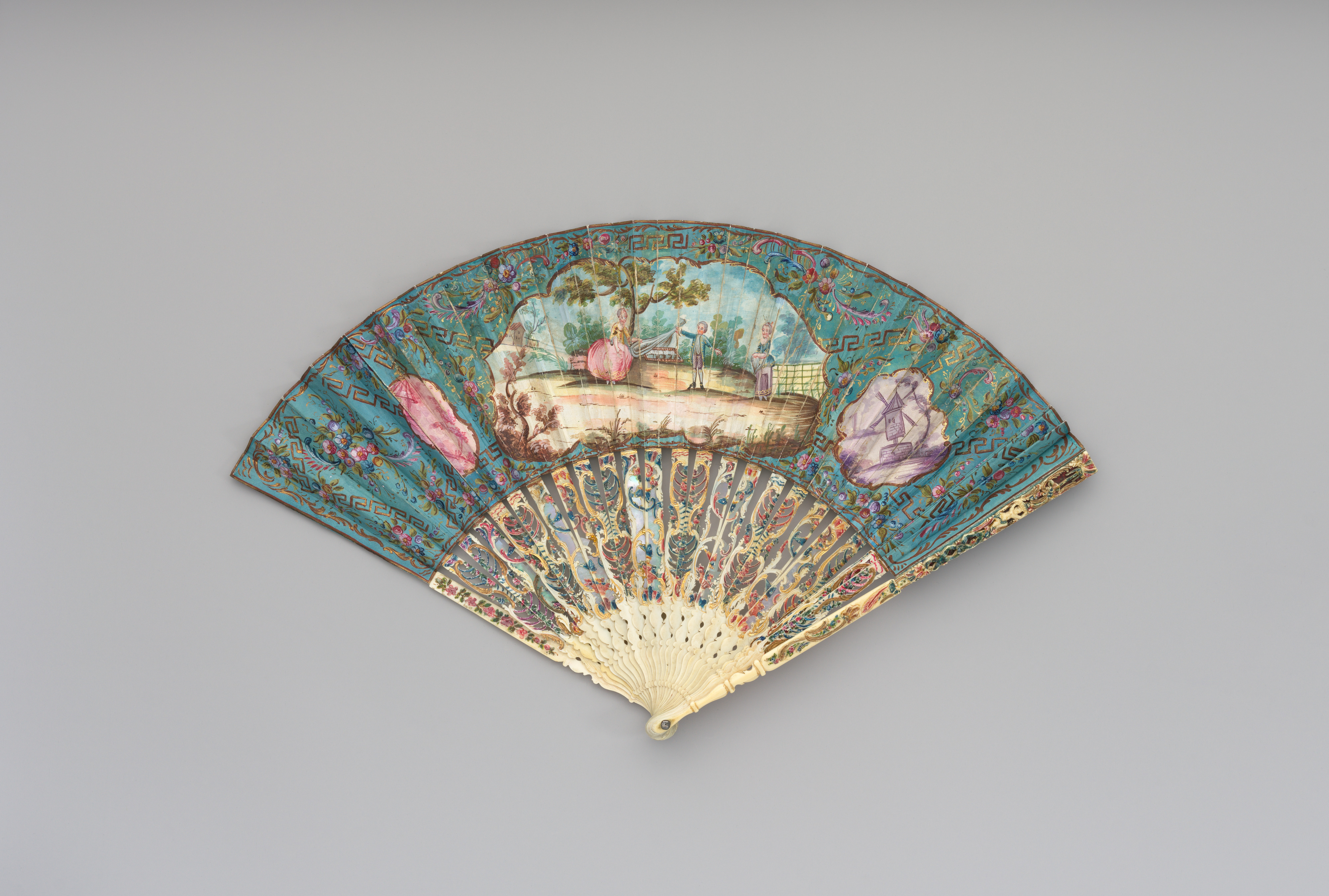
Heritage Analysis: The Fan as an Artifact of Symbolic Power and Luxury Strategy
Katherine Fashion Lab presents this heritage analysis of the fan as a cultural artifact originating from ancient civilizations, crafted from paper, ivory, and mother-of-pearl. This research, conducted within a strategic standalone framework, examines the fan’s evolution from a functional object to a potent symbol of power, adornment, and spiritual meaning. By deconstructing its historical and symbolic dimensions, we uncover critical insights for positioning the fan as a high-end luxury accessory in the 2026 market, aligning with contemporary demands for heritage storytelling and exclusivity.
Symbolic Power: The Fan as a Tool of Authority and Status
In ancient civilizations, the fan transcended its utilitarian purpose of cooling to become a profound emblem of authority. In ancient Egypt, flabellum—fans made from palm leaves or feathers—were reserved for pharaohs and high priests, signifying divine right and temporal power. The fan’s sweeping motion was believed to dispel malevolent forces, while its material richness—often gilded or inlaid with precious stones—communicated wealth and control over nature. Similarly, in ancient China, the fan (shan) became a symbol of imperial sovereignty, with folding fans crafted from sandalwood and ivory reserved for the aristocracy. The act of holding a fan denoted not only social rank but also the ability to command attention and space, as the object physically extended the user’s presence.
For Katherine Fashion Lab, this symbolic power offers a strategic lever. In 2026, luxury consumers seek objects that confer intangible authority—status that is earned through heritage rather than overt branding. By framing the fan as a “scepter of sophistication,” the Lab can position it as a wearable emblem of leadership, appealing to high-net-worth individuals who value discretion and historical resonance. The fan’s historical association with rulers and deities provides a narrative of exclusivity that modern luxury clients crave, particularly in markets like the Middle East and Asia, where hierarchical symbolism remains culturally relevant.
Historical Adornment: Craftsmanship and Materiality
The fan’s evolution as an adornment object is inseparable from its material composition. Paper, ivory, and mother-of-pearl each contribute distinct layers of meaning. In ancient Greece and Rome, paper fans—often decorated with mythological scenes—were used by elite women as personal ornaments, their lightweight portability making them ideal for social rituals. Ivory, sourced from elephant tusks, denoted extreme wealth and global trade networks; in ancient India, ivory fans were carved with intricate patterns and used in royal courts as both functional and decorative items. Mother-of-pearl, harvested from seashells, introduced an iridescent quality that symbolized purity and lunar divinity, particularly in Mesoamerican civilizations like the Maya, where fans were employed in ceremonial contexts.
The combination of these materials in a single artifact represents a masterclass in artisanal skill. The fan’s structural complexity—requiring delicate carving, painting, and assembly—mirrors the high craftsmanship standards of luxury houses today. For Katherine Fashion Lab, this material legacy informs a 2026 strategy of “material storytelling.” By sourcing ethically obtained mother-of-pearl and vintage ivory alternatives (such as tagua nut or recycled bone), the Lab can create fans that honor ancient techniques while addressing modern sustainability concerns. This approach not only preserves historical authenticity but also differentiates the product in a crowded luxury market, where provenance and ethical production are increasingly non-negotiable for discerning buyers.
Spiritual Meaning: The Fan as a Conduit Between Realms
Beyond its material and social functions, the fan held profound spiritual significance in ancient civilizations. In Egyptian funerary practices, fans were placed in tombs to cool the deceased and guide their soul in the afterlife, reflecting a belief in the fan’s power to mediate between the living and the dead. In Shinto traditions of ancient Japan, fans (sensu) were used in purification rituals, their opening and closing motions mimicking the breath of the gods. Similarly, in ancient China, the fan was associated with the Daoist concept of qi (life force), with its rhythmic movements believed to harmonize energy in sacred spaces.
This spiritual dimension offers a unique emotional connection for luxury consumers in 2026, who increasingly seek objects that provide metaphysical comfort or symbolic protection. Katherine Fashion Lab can leverage this by branding the fan as a “talisman of tranquility,” integrating it into wellness-oriented luxury experiences. For instance, limited-edition fans could be designed for meditation rituals, with mother-of-pearl inlays representing lunar cycles and paper surfaces inscribed with ancient blessings. This aligns with the growing “conscious luxury” trend, where high-end clients prioritize products that enhance mental and spiritual well-being, not just aesthetic appeal.
2026 High-End Luxury Strategy: Heritage as Competitive Advantage
Integrating these historical insights, Katherine Fashion Lab can develop a 2026 luxury strategy centered on three pillars: heritage exclusivity, material innovation, and experiential storytelling.
Heritage exclusivity involves positioning the fan as a limited-edition collector’s item, with each piece referencing a specific ancient civilization. For example, a “Pharaoh’s Flabellum” series could use ivory-like materials and gold leaf, while a “Maya Moon Fan” could feature mother-of-pearl in lunar motifs. By limiting production to 50 units per design, the Lab creates scarcity that mirrors the fan’s historical rarity. Pricing should reflect this—starting at $5,000 for paper-based fans and escalating to $50,000 for elaborate ivory-and-pearl pieces—targeting ultra-high-net-worth clients who view such objects as heirlooms.
Material innovation requires ethical sourcing and modern reinterpretation. For paper, the Lab can collaborate with Japanese washi artisans to produce archival-grade sheets infused with natural dyes. For ivory, lab-grown or plant-based alternatives (e.g., Tagua nut) can replicate the translucency and weight of historical ivory, ensuring compliance with CITES regulations. Mother-of-pearl should be sourced from sustainable pearl farms, with each piece certified for traceability. This material strategy not only honors ancient craftsmanship but also appeals to the 2026 luxury consumer’s demand for transparency and environmental responsibility.
Experiential storytelling transforms the fan from a product into a narrative. Katherine Fashion Lab can host private “Fan Ateliers” in heritage cities like Kyoto, Cairo, or Rome, where clients watch artisans replicate ancient techniques. Each fan would include a digital passport—a blockchain-verified provenance document detailing its material origins, cultural references, and spiritual symbolism. This digital layer satisfies the tech-savvy luxury buyer’s need for authentication while deepening emotional engagement. Additionally, the Lab could develop an augmented reality (AR) experience that allows owners to “see” the fan’s historical context—such as a pharaoh’s court or a Shinto shrine—when viewed through a smartphone app.
Conclusion: The Fan as a Timeless Luxury Asset
The fan, as an artifact of ancient civilization, offers Katherine Fashion Lab a rare opportunity to merge historical depth with modern luxury strategy. Its symbolic power, material richness, and spiritual resonance provide a robust foundation for a 2026 product line that transcends fashion, becoming a statement of cultural stewardship and personal identity. By leveraging heritage exclusivity, ethical material innovation, and immersive storytelling, the Lab can position the fan not merely as an accessory, but as a legacy object—one that commands authority, inspires adornment, and connects its owner to the eternal currents of human history. This strategic approach ensures that Katherine Fashion Lab remains at the vanguard of high-end luxury, where tradition and innovation converge to create enduring value.