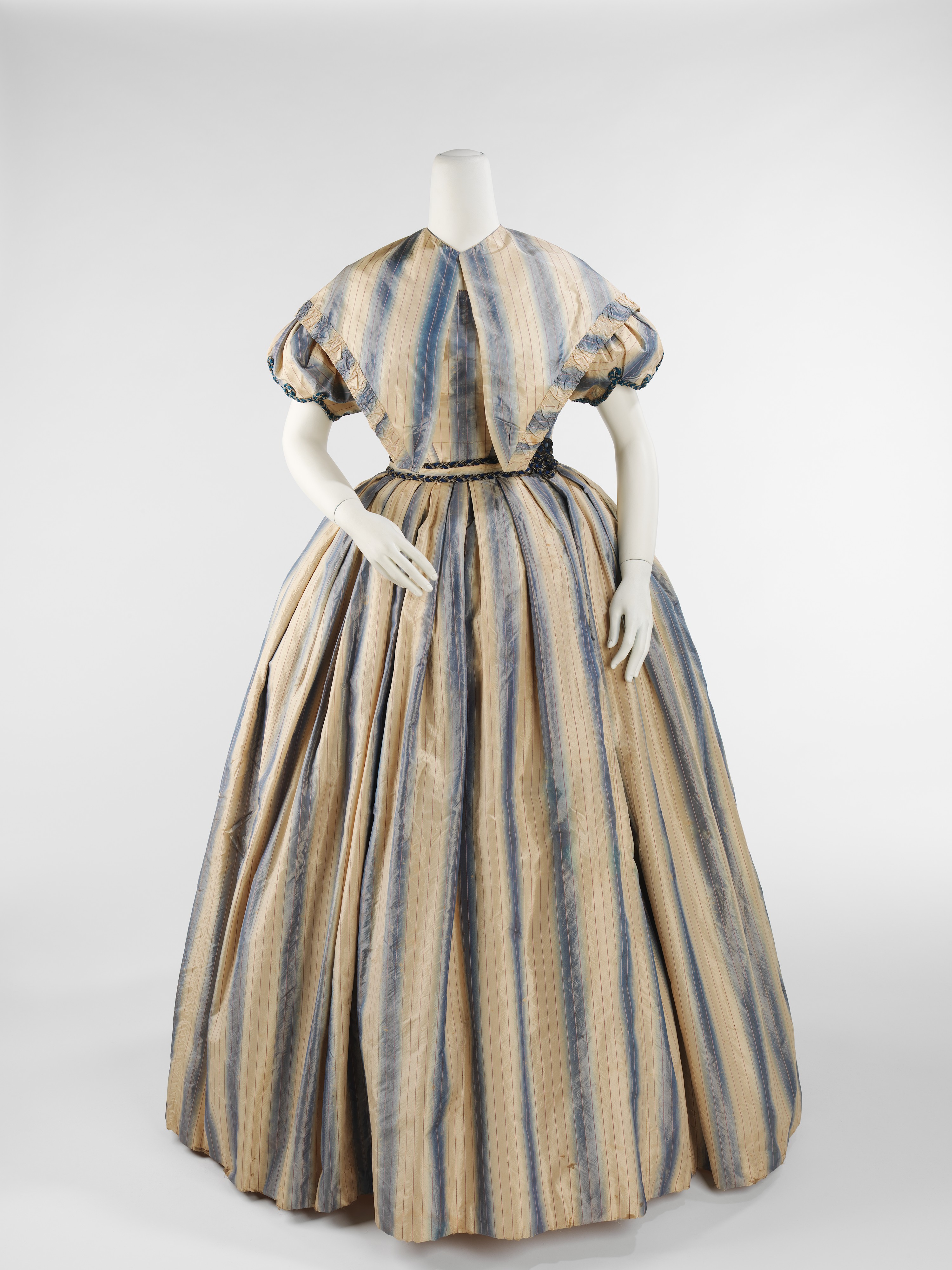
The Art of American Opulence: A Couture Analysis of the Silk Evening Dress
In the realm of haute couture, the evening dress stands as a testament to the designer’s mastery of form, fabric, and fantasy. Katherine Fashion Lab, a beacon of American sartorial innovation, presents a silk evening dress that transcends mere garment to become a study in disciplined elegance. This analysis dissects the dress’s construction, materiality, and cultural resonance, positioning it within the lineage of American luxury while asserting its singular voice in contemporary fashion.
Materiality and the Silk Imperative
The choice of silk is not merely aesthetic but strategic. American silk, often sourced from heritage mills in California or imported under strict ethical guidelines, offers a luminosity that synthetic fibers cannot replicate. In this dress, the silk is a double-faced charmeuse—a fabric that marries a matte reverse with a glossy face, allowing for a play of light that shifts with every movement. The weight is substantial yet fluid, draping without clinging, a hallmark of Katherine Fashion Lab’s commitment to structural integrity without sacrificing sensuality.
From a technical standpoint, the silk’s thread count and weave are calibrated to resist static and maintain its shape through extended wear. This is critical for an evening dress intended for galas or black-tie events, where the garment must endure hours of sitting, standing, and dancing. The fabric’s inherent breathability also ensures comfort, countering the common critique that luxury often sacrifices practicality. In this regard, the dress embodies a quintessentially American pragmatism: opulence that functions.
Silhouette and Architectural Precision
The silhouette is a columnar sheath with a subtle bias cut, a nod to the 1930s Hollywood glamour that Katherine Fashion Lab reinterprets through a modern lens. The bodice is structured with internal boning—not visible but palpably present—creating a corset-like foundation that supports the bust and waist without distorting the natural form. The shoulders are left bare, with a strapless neckline that is both daring and refined, secured by a hidden silicone grip to prevent slippage.
The waist is defined by a hand-stitched sash of the same silk, tied into a low bow at the back. This detail serves dual purposes: it breaks the vertical line of the column, creating a flattering proportion, and it introduces a tactile element that invites touch. The skirt falls to the floor, hemmed with a rolled edge rather than a bulky hem, preserving the fabric’s fluid fall. The back features a keyhole cutout framed by delicate silk-covered buttons—a subtle exposure that balances the modesty of the front.
Color Theory and American Identity
The dress is rendered in midnight navy, a color that reads as black in low light but reveals a deep blue under direct illumination. This choice is deliberate: it references the American tradition of understated power, as seen in the wardrobes of icons like Jacqueline Kennedy Onassis or Michelle Obama. Navy evokes authority without aggression, sophistication without ostentation. The absence of embellishment—no beads, sequins, or embroidery—forces the viewer to engage with the cut and fabric, a radical act in an era of maximalist eveningwear.
This restraint aligns with Katherine Fashion Lab’s philosophy of “quiet luxury,” a trend gaining traction among discerning consumers who value craftsmanship over logos. The dress’s color also allows for versatility; it can be accessorized with bold jewelry or worn alone, making it a investment piece that transcends seasonal fads. In the context of American fashion, this approach echoes the work of designers like Calvin Klein and Donna Karan, who championed minimalism as a form of national identity.
Construction and the Art of the Invisible Seam
Examining the construction reveals the labor intensity of couture. Each seam is French-seamed to encase raw edges within the fabric, preventing fraying and ensuring a clean interior. The zipper is a hand-set invisible zipper at the side seam, requiring precise tension to avoid puckering. The straps, though absent in the final design, are accounted for in the pattern through a built-in support system of elastic netting sewn into the bodice lining.
The dress’s weight distribution is engineered to hang from the shoulders (via the boned bodice) rather than the waist, preventing the need for constant adjustment. This is achieved through a circular cut at the bust, where the fabric is shaped using darts that radiate from the apex, a technique that minimizes bulk while maximizing fit. The hem is weighted with a silk organza ribbon sewn into the seam, ensuring the dress falls uniformly without floating or twisting.
Cultural Context: The American Evening Dress as a Symbol
Historically, American eveningwear has oscillated between European-inspired opulence and a native pragmatism. Katherine Fashion Lab’s dress occupies a middle ground: it is luxurious but not decadent, formal but not fussy. This reflects a broader cultural shift toward conscious consumption, where buyers seek pieces that offer longevity and ethical production. The dress is made-to-order, reducing waste, and the silk is sourced from a mill that uses low-impact dyes—a detail that resonates with the modern American consumer’s values.
Moreover, the dress’s design eschews gender-specific constraints. While it is cut for a feminine silhouette, the columnar shape and lack of overt sexualization allow it to be worn by individuals of varying body types and gender expressions. This inclusivity is a hallmark of contemporary American fashion, where designers are increasingly moving beyond binary presentations of eveningwear.
Comparative Analysis: Katherine Fashion Lab vs. European Couture
When compared to its European counterparts—say, a Dior ball gown or a Valentino silk creation—this dress distinguishes itself through restraint. European couture often relies on elaborate draping, hand-painted fabrics, or sculptural elements that demand attention. Katherine Fashion Lab’s dress, by contrast, relies on the purity of the silk and the precision of the cut. It does not shout; it whispers. This is not a weakness but a deliberate positioning within the American luxury market, where the consumer often values versatility and wearability over theatricality.
The dress’s price point—while high—is lower than comparable European designs, reflecting the brand’s direct-to-consumer model and avoidance of inflated retail markups. This democratization of couture, without sacrificing quality, is a distinctly American innovation. The garment becomes an accessible symbol of aspiration rather than an unattainable artifact.
Conclusion: A Masterclass in Modern Couture
Katherine Fashion Lab’s silk evening dress is more than a garment; it is a thesis on the evolution of American luxury. Through meticulous material selection, architectural silhouette, and cultural sensitivity, the dress achieves a rare balance: it is both timeless and contemporary, opulent and restrained. For the wearer, it offers not just beauty but agency—the confidence to command a room without relying on spectacle. In the crowded landscape of eveningwear, this dress stands as a quiet monument to the power of craft, proving that true couture resides not in excess, but in the perfection of the essential.