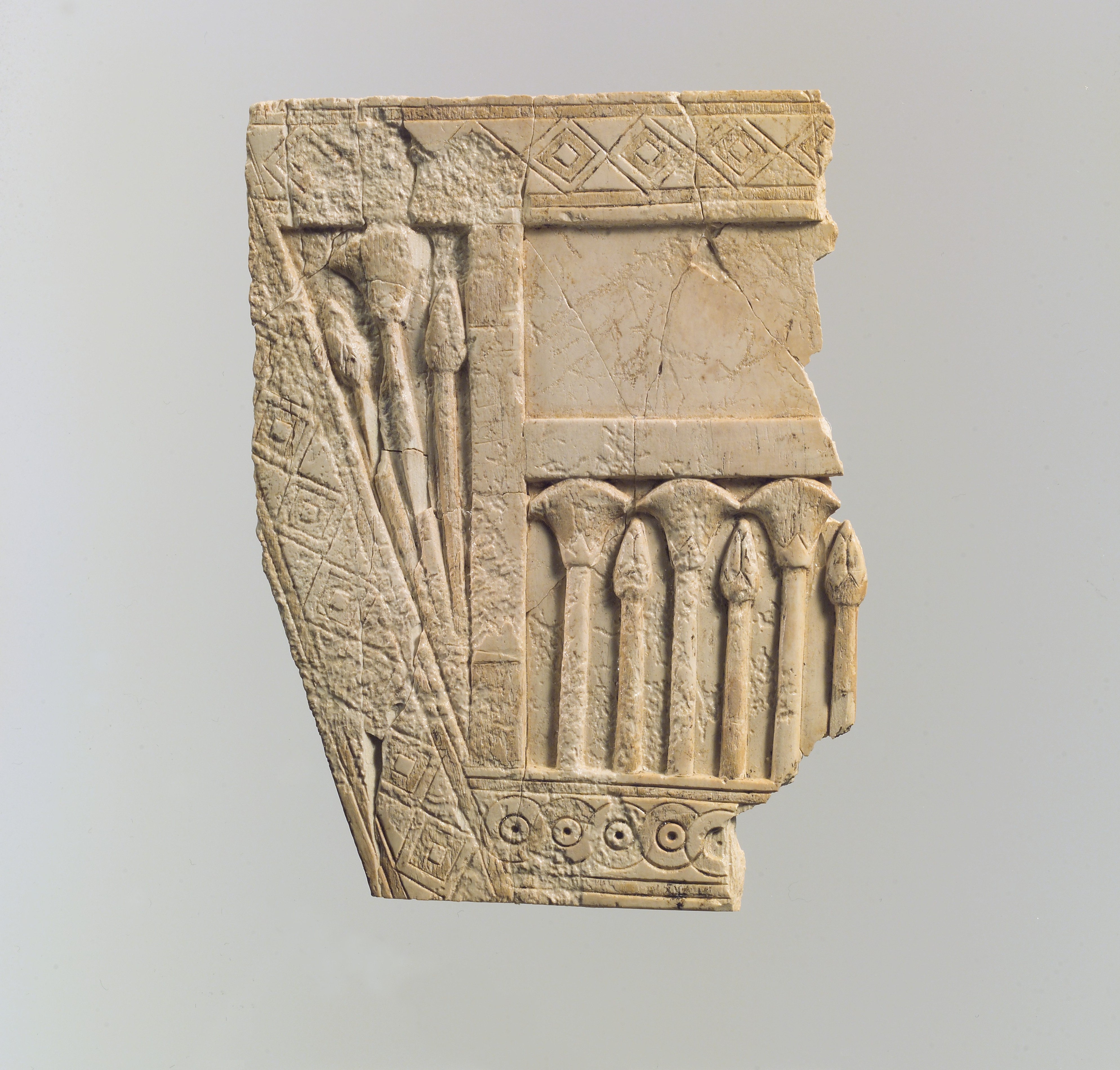
Executive Heritage Analysis: Assyrian Ivory Plaque with Papyrus Motifs
This report presents a strategic heritage analysis of an Assyrian furniture plaque carved in relief with papyrus buds and flowers, executed in ivory. Dated to the Neo-Assyrian period (c. 9th–7th century BCE), this artifact embodies a confluence of symbolic power, historical adornment, and spiritual meaning. For Katherine Fashion Lab, this object serves as a profound case study in translating ancient luxury into a 2026 high-end brand strategy. The analysis is structured to decode the plaque’s cultural DNA and extract actionable insights for contemporary luxury positioning.
Symbolic Power: The Papyrus as Imperial and Fertility Icon
The papyrus motif, though typically associated with Egypt, was appropriated by Assyrian elites as a symbol of imperial reach and dominion. In Assyrian iconography, papyrus buds and flowers represented the king’s control over foreign lands and the natural world. The bud, often depicted in a closed or semi-open state, signified potential and renewal, while the fully opened flower embodied manifest power and abundance. This duality—the tension between latent and realized force—is a potent symbolic framework for modern luxury branding.
Strategic Implication for 2026
Katherine Fashion Lab can leverage the papyrus motif as a visual shorthand for controlled growth and exclusivity. The bud-flower progression mirrors a luxury brand’s narrative arc: from aspirational desire (the bud) to achieved status (the flower). In 2026, where consumers seek brands that balance heritage with forward momentum, this symbol can be embedded in capsule collections, packaging, or digital storytelling. The ivory medium further reinforces rarity and permanence, aligning with a strategy of limited-edition releases that command premium pricing.
Historical Adornment: Ivory as the Material of Divine Kingship
Ivory in Assyria was not merely decorative; it was a material of sacral and political authority. Harvested from elephants in conquered territories, ivory signified the king’s ability to command resources from the edges of the known world. The plaque’s function—as furniture adornment—elevates everyday objects into vessels of status and ritual. The relief carving technique, with its interplay of light and shadow, created a tactile luxury that invited touch and contemplation.
Strategic Implication for 2026
For high-end fashion, the concept of adornment as sovereignty is critical. Katherine Fashion Lab can position its 2026 collections as “armor for the modern sovereign”—pieces that confer authority through material and craftsmanship. Consider a line of accessories or outerwear featuring relief-like textures (e.g., embossed leather, metal appliqués) that echo the plaque’s carved depth. The ivory’s historical association with conquest can be translated into a narrative of self-mastery and cultural fluency. Avoid literal ivory use; instead, employ sustainable alternatives (e.g., bone, resin, or innovative bio-materials) to maintain ethical coherence while retaining the symbolic weight of “precious substance.”
Spiritual Meaning: The Threshold Between Worlds
In Assyrian cosmology, papyrus motifs were often placed on furniture used in palace and temple thresholds. The plant’s natural habitat—the liminal space between water and land—made it a symbol of transition and spiritual protection. The bud-and-flower combination was believed to ward off malevolent forces while inviting divine favor. This dual function—protection and blessing—imbued the plaque with apotropaic power, transforming a domestic object into a talisman.
Strategic Implication for 2026
Luxury in 2026 is increasingly defined by emotional and spiritual resonance. Consumers seek objects that offer meaning beyond aesthetics. Katherine Fashion Lab can integrate the concept of “threshold luxury”—pieces designed to mark transitions (e.g., new roles, life stages, or seasonal shifts). A 2026 campaign could center on “The Bud and the Blossom”, with each garment or accessory symbolizing a phase of personal evolution. Incorporate ritualistic elements into the brand experience, such as unboxing ceremonies or digital activations that unlock protective or aspirational content. The spiritual dimension also supports a wellness-adjacent luxury positioning, appealing to clients who value intentionality and energy in their wardrobe.
2026 High-End Luxury Strategy: Translating Heritage into Modern Currency
To operationalize these insights, Katherine Fashion Lab must adopt a three-pillar strategy that fuses symbolic power, historical materiality, and spiritual depth into a cohesive brand narrative.
Pillar One: The Sovereign Collection
Launch a limited-edition line titled “Papyrus Throne”, featuring motifs derived from the plaque’s bud-and-flower relief. Use high-relief embroidery, laser-cut leather, or 3D-printed metal accents to replicate the carved depth. Color palette: ivory, gold, deep lapis, and verdigris—echoing the original’s patina. Each piece should include a micro-engraved talisman (e.g., a hidden bud on a zipper pull) to activate the protective symbolism. Price point: ultra-premium, with a waitlist to reinforce scarcity.
Pillar Two: The Threshold Experience
Redesign flagship stores as “liminal spaces” inspired by Assyrian palace thresholds. Use carved screens, water features, and layered lighting to evoke the transition from public to private. Train sales associates to guide clients through a narrative journey—from the “bud” (first encounter) to the “flower” (purchase and personalization). Offer a digital companion app that unlocks stories of Assyrian kingship, material sourcing, and craft techniques, deepening the emotional bond.
Pillar Three: Ethical Material Innovation
Partner with artisans to develop sustainable “ivory” alternatives using plant-based resins, recycled bone, or lab-grown minerals. Position these materials as “new heritage”—honoring the past while advancing ecological responsibility. Release a white paper on “Material Sovereignty” that details the ethical sourcing and cultural research behind each collection. This transparency builds trust and aligns with 2026 consumer values of conscious luxury.
Conclusion: The Ivory Plaque as a Strategic Blueprint
The Assyrian ivory plaque, carved with papyrus buds and flowers, is far more than a historical artifact. It is a strategic blueprint for luxury that commands, protects, and transforms. For Katherine Fashion Lab, the challenge is not to replicate the object but to rechannel its symbolic DNA into a 2026 brand language that speaks to power, transition, and spiritual depth. By focusing on the bud’s potential and the flower’s realized majesty, the Lab can create a luxury proposition that is both ancient and avant-garde—resonant with discerning clients who seek meaning as much as beauty.
Final Recommendation: Commission a cultural advisory board of Assyriologists, luxury strategists, and material scientists to guide the translation process. The plaque’s power lies in its precision—every bud, every curve, every material choice was deliberate. Katherine Fashion Lab must apply the same rigor to its 2026 strategy, ensuring that every touchpoint reflects the sovereign, spiritual, and historical intelligence of its heritage source.