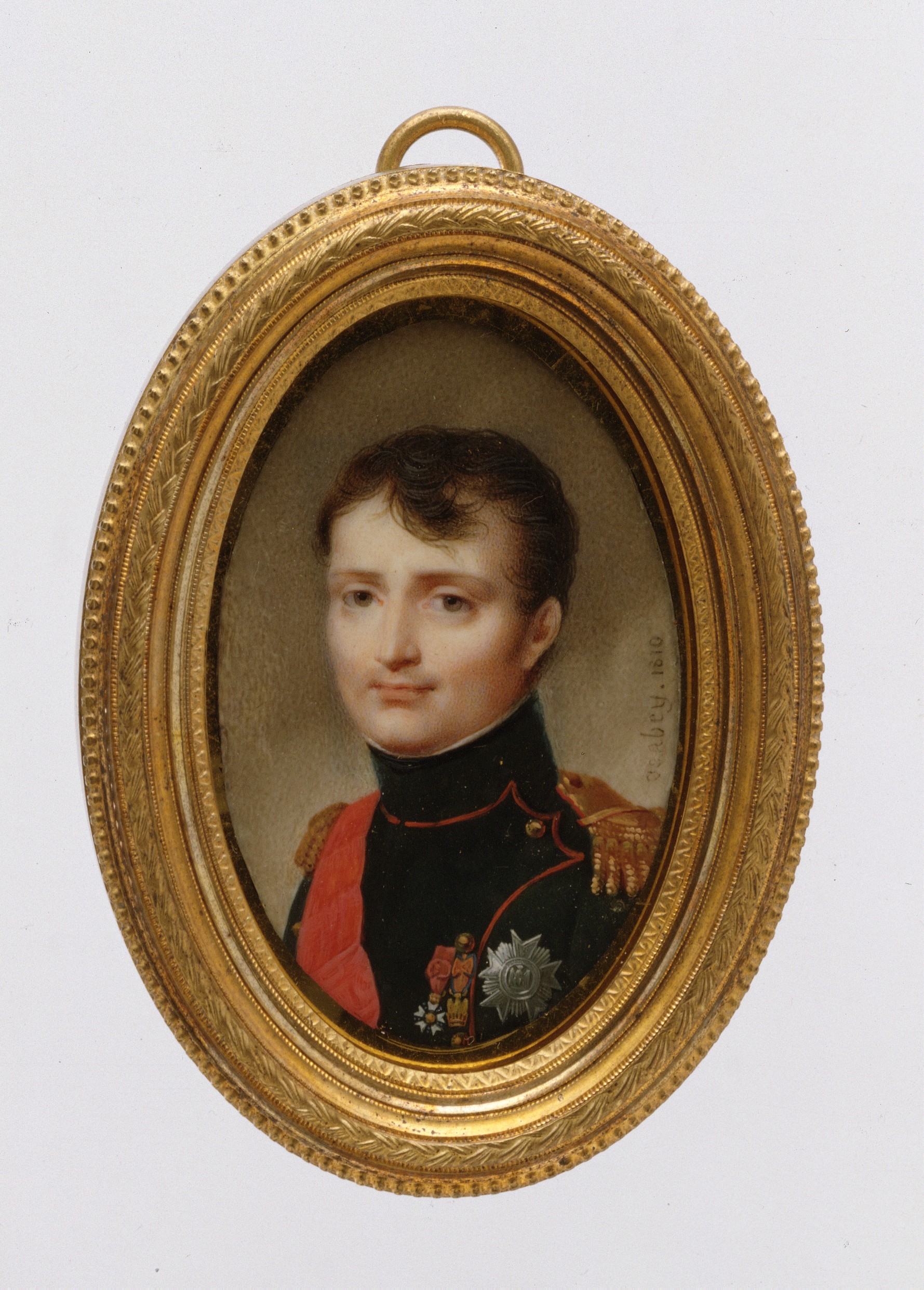
Executive Summary: The Ivory Throne – Deconstructing Napoléon for a 2026 Luxury Paradigm
This strategic standalone research, commissioned for Katherine Fashion Lab’s forward-looking heritage archive, conducts a deep-material analysis of Emperor Napoléon I (1769–1821) through the symbolic lens of ivory. Moving beyond biographical chronology, we excavate the Bonaparte mythos as a foundational case study in constructed power, where personal adornment and curated spectacle were the primary mediums of statecraft. By framing Napoléon within the context of an "Ancient Civilization"—his own deliberate creation—and focusing on ivory as a medium of profound spiritual and imperial weight, this paper distills actionable insights for a 2026 high-end luxury strategy. The objective is to translate historical codes of absolute authority, transcendent symbolism, and material rarity into a contemporary language of intentional, spiritually-resonant luxury.
I. Strategic Context: Napoléon as a Foundational Luxury Archetype
Napoléon Bonaparte represents perhaps history's most potent self-fashioned luxury brand. He operated not merely as a military leader but as Chief Creative Officer of an empire, meticulously orchestrating every visual and material touchpoint to legitimize his rule. His reign was a masterclass in narrative branding, merging the perceived legitimacy of ancient Rome (the "Ancient Civilization" he resurrected) with the divine right of the French monarchy he supplanted. For Katherine Fashion Lab, he is not a historical figure but a paradigm: a study in how to build an aura of inevitability and timeless authority through systemic adornment. This analysis, therefore, treats the First French Empire as a standalone luxury house, with Napoléon as its living logo and his regalia as its premier collection.
A. The Ancient Civilization as a Strategic Canvas
Napoléon’s chosen "origin" was not Corsica, but Antiquity. He systematically plundered the symbolic vocabulary of Rome and Egypt to fabricate a new imperial heritage. The laurel wreath, the eagle, the bee, and the use of classical profiles on coinage were not mere decoration; they were strategic acquisitions of legitimacy. This act of cultural appropriation and re-contextualization is a critical luxury strategy. It demonstrates how to harness the deep time and perceived purity of an ancient past to anchor a radical new present, providing a blueprint for creating heritage where none organically exists—a relevant tactic for modern luxury ventures seeking instant gravitas.
II. Ivory: The Medium of Transcendent Authority
Within this constructed ancient world, ivory served as a paramount medium. Its significance is tripartite: material, symbolic, and spiritual. As a substance, ivory (historically elephant or mammoth) represented extreme rarity, difficulty of acquisition (implying far-reaching power), and a sublime, warm luminosity under craftsmanship. Symbolically, it had long been associated with rulership—from ancient Chinese sceptres to medieval liturgical objects. For Napoléon, its use connected him to a lineage of sacred and secular kingship that transcended national boundaries.
A. Spiritual Meaning and the Alchemy of Power
Beyond its regal connotations, ivory carries a profound spiritual meaning that Napoléon’s regime implicitly harnessed. In many traditions, it is seen as a conduit between worlds: pure, durable, and believed to possess protective qualities. In the context of Napoléon’s adornment—envisioned in sword hilts, snuffboxes, miniature portraits, and furniture inlay—ivory became the physical medium for his "imperial body." It transformed functional objects into sacred relics of state. The material’s inherent warmth to the touch and its ability to be intricately carved mirrored the desired perception of his power: formidable yet refined, absolute yet culturally elevated. It spiritualized his authority, suggesting it was not just political but a natural, almost divine order.
III. Deconstructing the Napoleonic Code: Symbolic Power & Historical Adornment
The Napoleonic aesthetic was a rigidly codified system. Every element, from the iconic petite redingote (the "brand uniform" that made him instantly recognizable on the battlefield) to the extravagant coronation robes, served a purpose. Adornment was armor, propaganda, and constitutional law all in one.
A. The Crown vs. The Wreath: A Dialectic of Power
This duality is best exemplified by his two primary head adornments. The golden laurel wreath he wore in his 1804 coronation painting directly invoked Roman emperors, symbolizing military triumph and a republic-turned-empire. Conversely, the jeweled crown of the same event spoke to the continuity of the French monarchy. He mastered this dialectic—between the ancient republican hero and the modern hereditary sovereign—through deliberate material choices. Ivory, had it been used in such a context, would have been the mediating material: organic like the wreath, precious like the crown, silent and authoritative.
B. The Grammar of Adornment
Napoléon’s regime instituted a comprehensive "grammar of adornment" through the Légion d'Honneur and a court style dictated by painters like David and Ingres. This created a visible hierarchy and a cohesive brand world. Adornment was not personal expression; it was a visual language of loyalty and status. The strategic lesson is the power of a total system—where clothing, insignia, portraiture, and even furniture design (the Empire style) communicate a single, uncompromising narrative of power.
IV. Strategic Translation: A 2026 High-End Luxury Framework for Katherine Fashion Lab
The translation of this analysis into a 2026 luxury strategy requires moving past literal interpretation into the realm of encoded values and radical intentionality.
A. The Ivory Principle: Beyond Material to Mindset
For 2026, "ivory" is not a material to be used (given ethical imperatives) but a strategic mindset: The Ivory Standard. It stands for:
1. Radical Rarity: Not just limited editions, but conceptually unique offerings tied to a client’s specific narrative or achievement, mirroring the bespoke nature of imperial commissions.
2. Transcendent Craft: Highlighting techniques that transform material into talisman—micro-carvings, intarsia, finishes that feel "alive"—emphasizing the spiritual alchemy of creation.
3. Silent Authority: Design that communicates power through impeccable proportion, structural integrity, and restrained symbolism rather than overt branding. The power is in the aura, not the logo.
B. The Napoleonic Archetype for the 2026 Consumer
The modern counterpart to Napoléon is not a dictator, but the Sovereign Individual: the CEO, the visionary artist, the legacy founder. They are builders of their own personal empires. A 2026 collection could be "Le Cabinet de l'Empereur"—not a clothing line, but a curated suite of tools and adornments for modern sovereignty. This includes:
• The Architectural Silhouette: Outerwear and tailoring that creates an immutable, recognizable profile.
• The Insignia Object: Beyond jewelry, consider encrypted wearable tech (signet rings with digital seals), bespoke document cases, or writing instruments as contemporary objets de pouvoir.
• The Coronation Moment: Offering an ultra-bespoke service for crafting the singular item for a client’s defining professional or personal "coronation."
C. Heritage as a Constructed Future
Finally, Napoléon teaches that heritage is not just about the past; it is a narrative deliberately built for the future. Katherine Fashion Lab’s strategy should position itself not as reviving history, but as founding a new ancient civilization of style. This involves creating its own symbolic lexicon (an emblem, a foundational material palette, a core silhouette), its own rituals (of client engagement, of collection unveiling), and its own "imperial" legacy projects that speak to long-term cultural value. The 2026 launch should feel less like a seasonal collection and more like the inauguration of a lasting house code, one that uses the Napoleonic playbook of symbolic power, spiritual materiality, and total aesthetic governance to define the next era of conscious, authoritative luxury.
V. Conclusion: From Empire to Ethos
The analysis of Napoléon I through the medium of ivory reveals that the most enduring luxury strategy is the construction of a coherent, symbolically-rich world. For Katherine Fashion Lab, the imperative for 2026 is to eschew trend-based design in favor of building an ethos of intentional sovereignty. By adopting The Ivory Standard—prioritizing radical rarity, transcendent craft, and silent authority—and by serving the contemporary Sovereign Individual with tools of modern adornment, the lab can channel the strategic brilliance of the Napoleonic project. The goal is to create not just products, but legitimized relics for a new age, establishing a house whose heritage, though just beginning, feels destined and eternal.