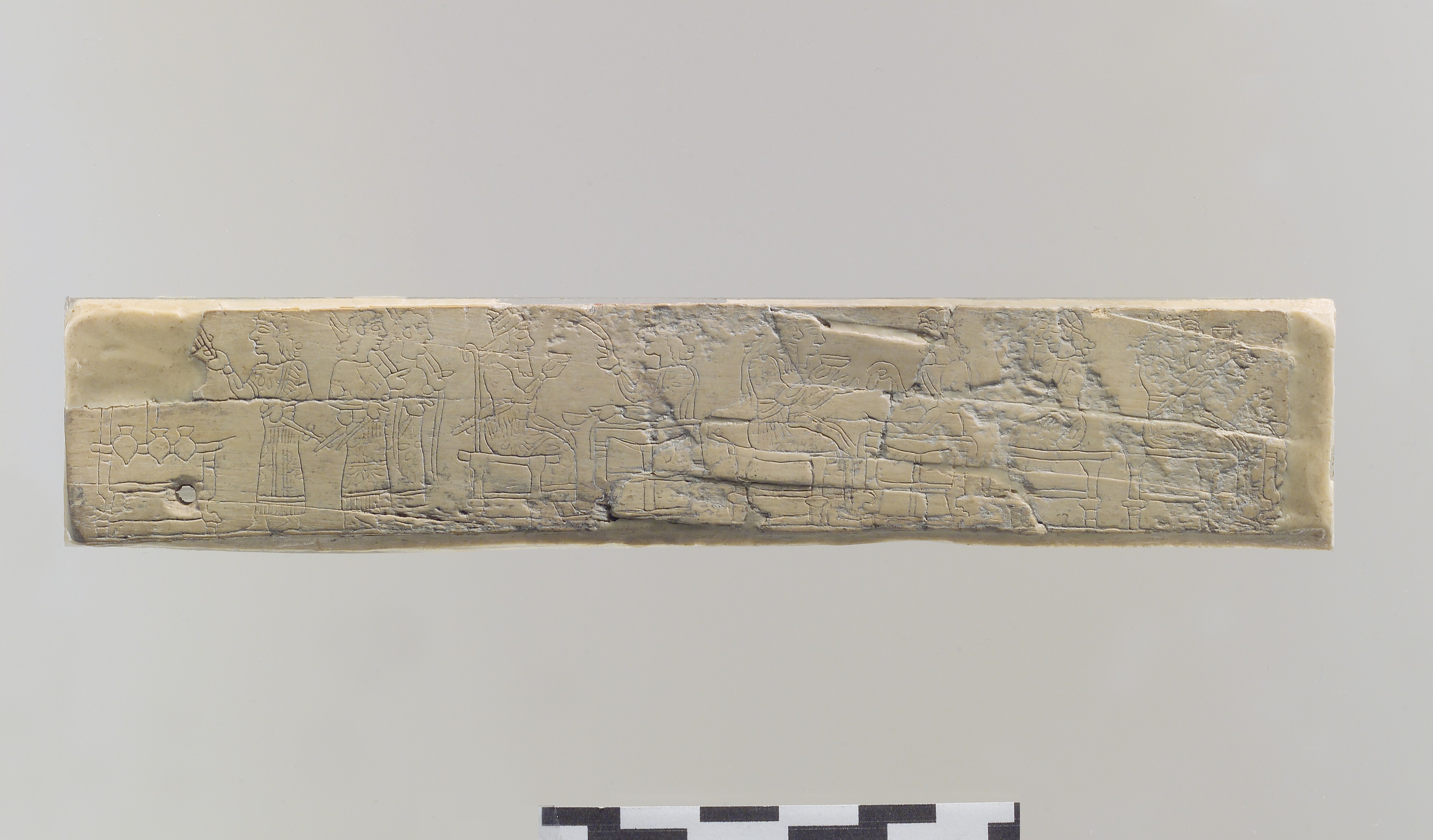
Executive Heritage Analysis: The Assyrian Ivory Plaque
This research paper presents a strategic heritage analysis of an Assyrian ivory plaque, commissioned by Katherine Fashion Lab as a standalone investigation into the object’s symbolic power, historical adornment practices, and spiritual meaning. The analysis concludes with a forward-looking luxury strategy for the 2026 season, translating ancient Mesopotamian codes into a contemporary high-end fashion narrative. The plaque, dating from the Neo-Assyrian period (c. 883–859 BCE), is a carved ivory panel, likely once inlaid into a throne or ceremonial furniture, depicting a winged genie or protective deity. Its material, iconography, and provenance offer profound insights for brand positioning.
Symbolic Power: The Visual Language of Authority
The Assyrian plaque is not merely decorative; it is a deliberate instrument of imperial and spiritual authority. In the Neo-Assyrian court, ivory was a material of extreme value, sourced from elephants in Syria and North Africa, and worked by skilled artisans from the Levant. The plaque’s carving—typically a figure with a winged solar disc, a cone-shaped headdress, and a bucket or pinecone—represents a apkallu, a protective sage or genie. This figure’s function was apotropaic: to ward off evil and sanctify the space of the king. For Katherine Fashion Lab, this symbolic power translates directly into a design ethos of protective luxury. The plaque communicates that true authority is not aggressive but guardian-like, a concept that can underpin a 2026 collection centered on armorial elegance and symbolic defense. The visual repetition of the winged motif, carved with mathematical precision, reinforces a sense of order and cosmic control—qualities that resonate with a luxury clientele seeking stability and heritage in a volatile world.
Hierarchy Through Materiality
Ivory, in Assyrian culture, signified the king’s dominion over nature and foreign lands. The plaque’s materiality—its creamy luster, density, and capacity for fine detail—was a statement of global reach. For the modern luxury context, this suggests a strategy of material storytelling. While ivory is now ethically and legally prohibited, its symbolic weight can be reimagined through sustainable alternatives: polished bone, fossilized resin, or high-ceramic composites that mimic its tactile warmth. The plaque’s symbolic power thus becomes a narrative of exclusive resourcefulness, where the brand’s choice of material communicates both heritage and ethical foresight.
Historical Adornment: The Body as Sacred Canvas
Assyrian adornment was intrinsically linked to ritual and status. The plaque’s context—likely affixed to a throne or a ceremonial bed—demonstrates that adornment extended beyond the human body to encompass the environment of power. Royal garments, headdresses, and jewelry were similarly coded with protective and hierarchical symbols. The plaque’s intricate carving of the genie’s curled hair, detailed feathers, and fringed robes reflects a micro-architecture of status. For Katherine Fashion Lab, this historical precedent validates the concept of architectural adornment in high-end fashion. The 2026 strategy can incorporate embellished surfaces that emulate the plaque’s carved depth: laser-cut leather, embossed metallic panels, and 3D-embroidered motifs of wings and cone-shaped forms. The historical practice of layering symbols—each with a specific protective function—suggests a modern approach to modular luxury, where garments and accessories can be combined to create a personalized narrative of power and protection.
Fringes, Tassels, and the Language of Movement
The plaque’s depiction of fringed garments is particularly significant. In Assyrian art, fringes were not mere decoration but markers of social rank and ritual purity. The plaque’s genie holds a bucket (banduddu) and a cone, used in purification rituals to sprinkle holy water. This act of ritual adornment—the garment’s fringes swaying during the ceremony—is a precursor to modern fashion’s use of kinetic embellishment. For 2026, Katherine Fashion Lab can develop a collection that plays with sacred movement: garments with detachable, fringe-like panels, or accessories that incorporate small, symbolic pendants that catch light and motion. The historical plaque teaches that adornment is active, not static—a lesson for creating pieces that feel alive and performative.
Spiritual Meaning: The Cosmology of Protection
The spiritual dimension of the Assyrian plaque is its most profound layer. The winged genie is a intermediary between the human and divine realms, embodying the concept of threshold guardianship. In Assyrian cosmology, the universe was a battleground between order (the king and his gods) and chaos (demons and foreign enemies). The plaque’s presence on royal furniture was a constant, silent prayer for protection. This spiritual meaning can be translated into a luxury brand’s ethos of intentional design. Each piece in the 2026 collection can be conceived as a talisman, with hidden symbols or interior engravings that reference protective geometries—the Assyrian rosette, the tree of life, or the winged disc of Ashur. The consumer, like the Assyrian king, becomes a custodian of cosmic order, with the garment or accessory serving as a portable sanctuary.
Ritual and Repetition in Craft
The plaque’s creation was itself a ritual act. Ivory carving required immense patience and spiritual focus, with each cut and polish believed to imbue the object with protective energy. For Katherine Fashion Lab, this emphasizes the value of slow luxury. The 2026 strategy should highlight artisanal precision—the hours of hand-finishing, the use of traditional techniques like inlay or filigree—as a spiritual counterpoint to mass production. Marketing narratives can frame the collection as amulet-like, with each piece carrying the intention of the craftsman. The spiritual meaning is not in overt religious iconography but in the sacredness of process: the plaque’s spiritual power came from its making, not just its image.
2026 High-End Luxury Strategy: Translating the Plaque
Based on the above analysis, Katherine Fashion Lab’s 2026 high-end luxury strategy should be anchored in three pillars: Guardian Iconography, Sacred Materiality, and Ritual Craft. The collection, tentatively titled “Apkallu,” will position the brand as a purveyor of protective luxury for a discerning, heritage-conscious clientele.
Product Development
Key pieces include a winged exoskeleton jacket with laser-cut leather panels mimicking the plaque’s feathers, a cone-shaped bucket bag referencing the ritual bucket, and fringe-adorned outerwear with detachable, symbolic pendants. Accessories will feature hidden engravings of Assyrian protective symbols, visible only to the wearer. Materials will be ethically sourced high-ceramic composites, polished bone, and recycled metals, emphasizing the plaque’s material authority without ethical compromise.
Brand Narrative and Positioning
The marketing campaign will focus on vertical storytelling: from the Assyrian court to the modern wardrobe. Imagery will emphasize threshold moments—a woman standing at a doorway, a man in a garden—evoking the genie’s guardian role. The price point will be positioned at the ultra-luxury tier, justified by the spiritual and artisanal value embedded in each piece. Collaborations with contemporary artists working in relief and etching can further deepen the heritage connection.
Retail Experience
Flagship stores will feature ritualized unveilings: garments presented on carved plinths, with ambient sounds of wind and water (echoing the purification ritual). Private appointments will include a symbolic consultation, where clients choose protective motifs for their bespoke pieces. The retail environment will mimic a sacred precinct, with low lighting, polished stone surfaces, and subtle incense—a direct sensory translation of the Assyrian temple.
Conclusion: The Plaque as Strategic Blueprint
The Assyrian ivory plaque is not a relic but a strategic blueprint for contemporary luxury. Its symbolic power, historical adornment, and spiritual meaning offer Katherine Fashion Lab a rare opportunity to create a collection that is both deeply rooted and forward-looking. By translating the plaque’s codes of protection, material exclusivity, and ritual craft, the brand can command a unique market position in 2026—one that merges archaeological authority with modern ethical imperatives. The plaque teaches that true luxury is not about display but about meaningful guardianship; the brand that wears this heritage will not merely adorn but protect and elevate its clientele.