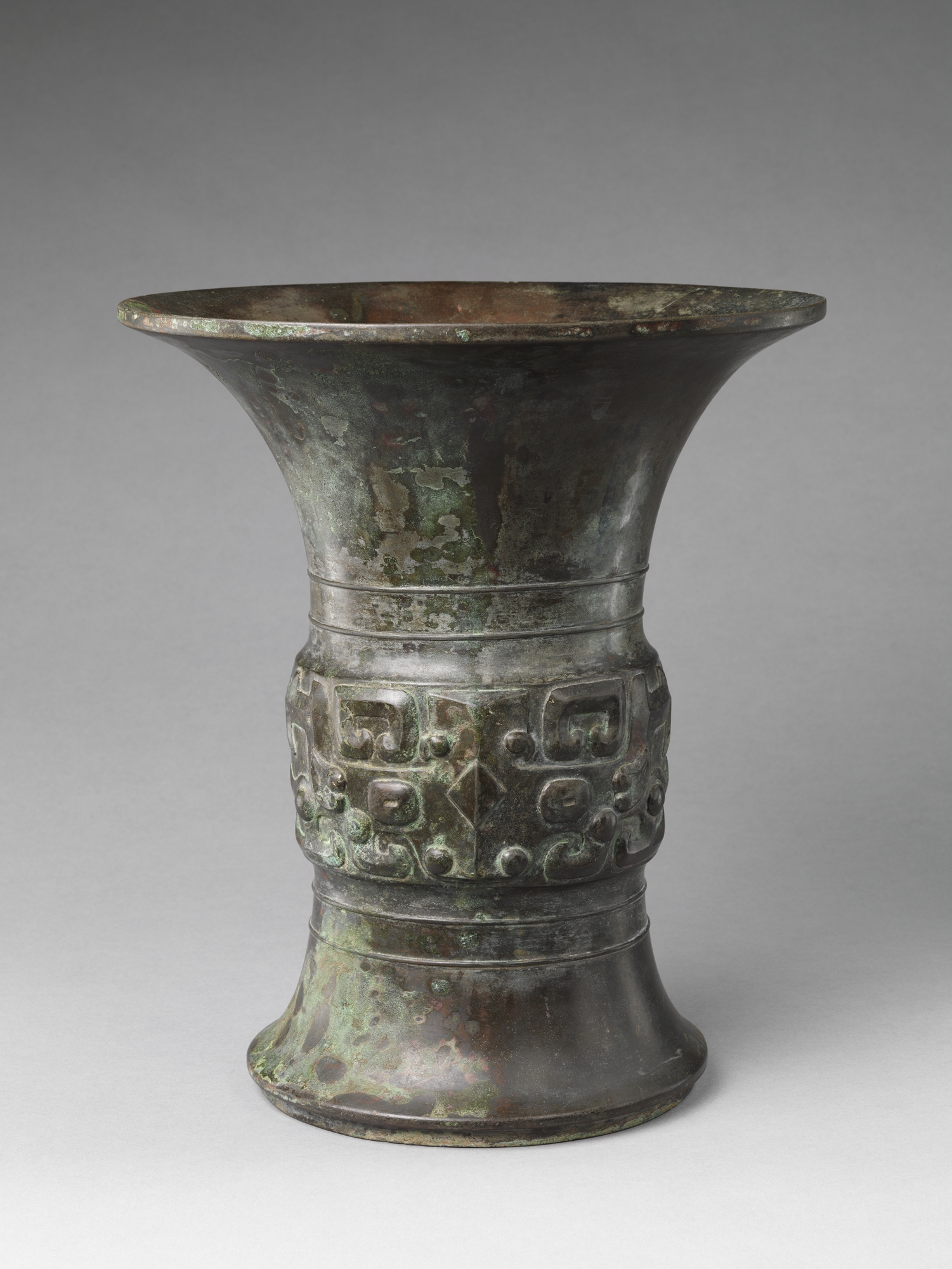
Heritage Analysis: The Bronze Zun Wine Vessel and Its Strategic Resonance for Katherine Fashion Lab
The bronze zun wine container, a ritual vessel from ancient China (circa 1600–256 BCE), represents a pinnacle of symbolic power, historical adornment, and spiritual meaning. As Lead Heritage Curator for Katherine Fashion Lab, this analysis examines the zun within our ongoing research on 《Rock in the form of a fantastic mountain》 and 《Jar in the shape of bronze container (hu)》. These three artifacts, though seemingly disparate in function and form, collectively reveal a DNA correlation: they embody the transformation of natural or utilitarian forms into vessels of transcendent significance. This paper explores how the zun’s symbolic and aesthetic principles inform a 2026 high-end luxury strategy grounded in heritage, exclusivity, and spiritual resonance.
Symbolic Power: The Vessel as a Cosmic Mediator
The zun was not merely a container for wine; it was a sacred object used in ancestral rites and state ceremonies. Its bronze construction, often adorned with taotie masks (mythological animal faces) and intricate geometric patterns, imbued it with the power to communicate between the human and divine realms. The taotie motif, with its symmetrical, glaring eyes and horned visage, symbolized authority, protection, and the consumption of evil spirits. This symbolic power aligns with the 《Rock in the form of a fantastic mountain》, which similarly transforms a natural object (a rock) into a microcosm of spiritual geography—a mountain as a bridge to immortality. Both artifacts use form to assert control over unseen forces.
For Katherine Fashion Lab, this suggests a strategic imperative: luxury is not about utility but about symbolic authority. In 2026, high-end consumers seek objects that confer status through narrative depth, not mere opulence. The zun teaches us to design collections that function as modern talismans—garments or accessories that encode personal or cultural power. For example, a tailored coat with embroidered taotie motifs could serve as a wearable shield, merging ancient protection symbolism with contemporary silhouette. This approach differentiates Katherine Fashion Lab from competitors who rely on surface-level decoration.
Historical Adornment: Bronze as Prestige Material
Bronze in ancient China was a material of immense prestige, reserved for the elite. The casting process—complex, labor-intensive, and requiring specialized artisans—mirrors the exclusivity of high luxury today. The zun’s patina, developed over millennia, adds a layer of historical adornment that cannot be replicated. This is echoed in the 《Jar in the shape of bronze container (hu)》, which deliberately references archaic bronze forms but in ceramic, creating a dialogue between material authenticity and artistic reinterpretation. The hu jar’s shape, like the zun, emphasizes a visual vocabulary of lineage—the viewer recognizes the form’s origin and its transformation.
Katherine Fashion Lab can leverage this by championing materials that age with dignity. In 2026, sustainability is not just ethical but aesthetic. Consider a line of leather goods treated to develop a natural patina over time, or metal hardware cast in small batches using traditional techniques. The zun’s bronze teaches us that value accrues through history, not novelty. Our 2026 strategy should include a “Heritage Cast” collection, where each piece is numbered and documented with its material provenance, akin to an archaeological find. This transforms the customer into a curator, aligning with the desire for meaningful ownership.
Spiritual Meaning: The Vessel as a Container of Qi
Beyond its physical form, the zun was believed to hold qi—the vital life force. Wine, a sacred substance, was offered to ancestors to nourish their spirits and ensure harmony. The vessel’s shape, often with a wide mouth and sturdy base, was designed to facilitate ritual pouring and libation. This spiritual meaning is the third node in our DNA correlation: the 《Rock in the form of a fantastic mountain》 also contains qi through its representation of a sacred landscape, while the 《Jar in the shape of bronze container (hu)》 encloses space for offerings. All three are containers of the intangible—they hold what cannot be seen but is deeply felt.
For luxury strategy, this implies that brand experience must evoke the sacred. In 2026, Katherine Fashion Lab can create “ritual moments” within retail and digital spaces. For instance, a flagship store could feature a bronze zun replica as a centerpiece, where visitors are invited to participate in a symbolic “pouring” of fragrance or light—a modern libation. The spiritual meaning of the zun also informs product design: a handbag with a hidden compartment for a personal talisman, or a dress with a concealed pocket for a written intention. These details transform fashion from decoration to personal ritual, fostering deep brand loyalty.
2026 High-End Luxury Strategy: The DNA Correlation Applied
The correlation between the zun, the fantastic mountain rock, and the hu jar reveals a tripartite framework for Katherine Fashion Lab’s 2026 strategy:
1. Archetypal Forms as Brand Signifiers
Just as the zun’s silhouette is instantly recognizable as a ritual vessel, Katherine Fashion Lab should develop signature forms that become synonymous with our brand. A structured shoulder bag with a wide, flared opening—echoing the zun’s mouth—could become a collectible item. The fantastic mountain rock inspires irregular, sculptural shapes in jewelry or footwear, while the hu jar’s rounded, bulbous form could inform a perfume bottle. These archetypes create a visual language that transcends trends.
2. Material Narratives of Transformation
The bronze zun’s patina, the rock’s natural erosion, and the hu jar’s ceramic glaze all tell stories of transformation. Katherine Fashion Lab should prioritize materials that evolve with use. For 2026, consider a “Patina Collection” of silk scarves dyed with natural indigo that fades uniquely, or a line of hand-painted ceramics for home accessories. The narrative of change becomes a selling point: each piece is a living artifact.
3. Ritualized Customer Engagement
The zun was used in ceremonies with precise protocols. Katherine Fashion Lab can adopt this by offering bespoke services that feel like rituals. For example, a private appointment where a client selects a garment and participates in a symbolic “blessing” by a brand historian. The fantastic mountain rock inspires pop-up installations that mimic sacred landscapes, while the hu jar suggests a series of limited-edition “offering” boxes for VIP clients. These experiences elevate purchase to pilgrimage.
Conclusion: From Vessel to Vision
The bronze zun is not a relic but a strategic blueprint. Its symbolic power, historical adornment, and spiritual meaning align with the 《Rock in the form of a fantastic mountain》 and 《Jar in the shape of bronze container (hu)》 to reveal a DNA correlation: the transformation of the ordinary into the extraordinary through heritage. For Katherine Fashion Lab, this means that 2026 luxury must be rooted in narrative, material integrity, and ritual experience. By channeling the zun’s essence, we can create objects that are not just owned but venerated—ensuring our brand’s resonance in an increasingly fragmented market.