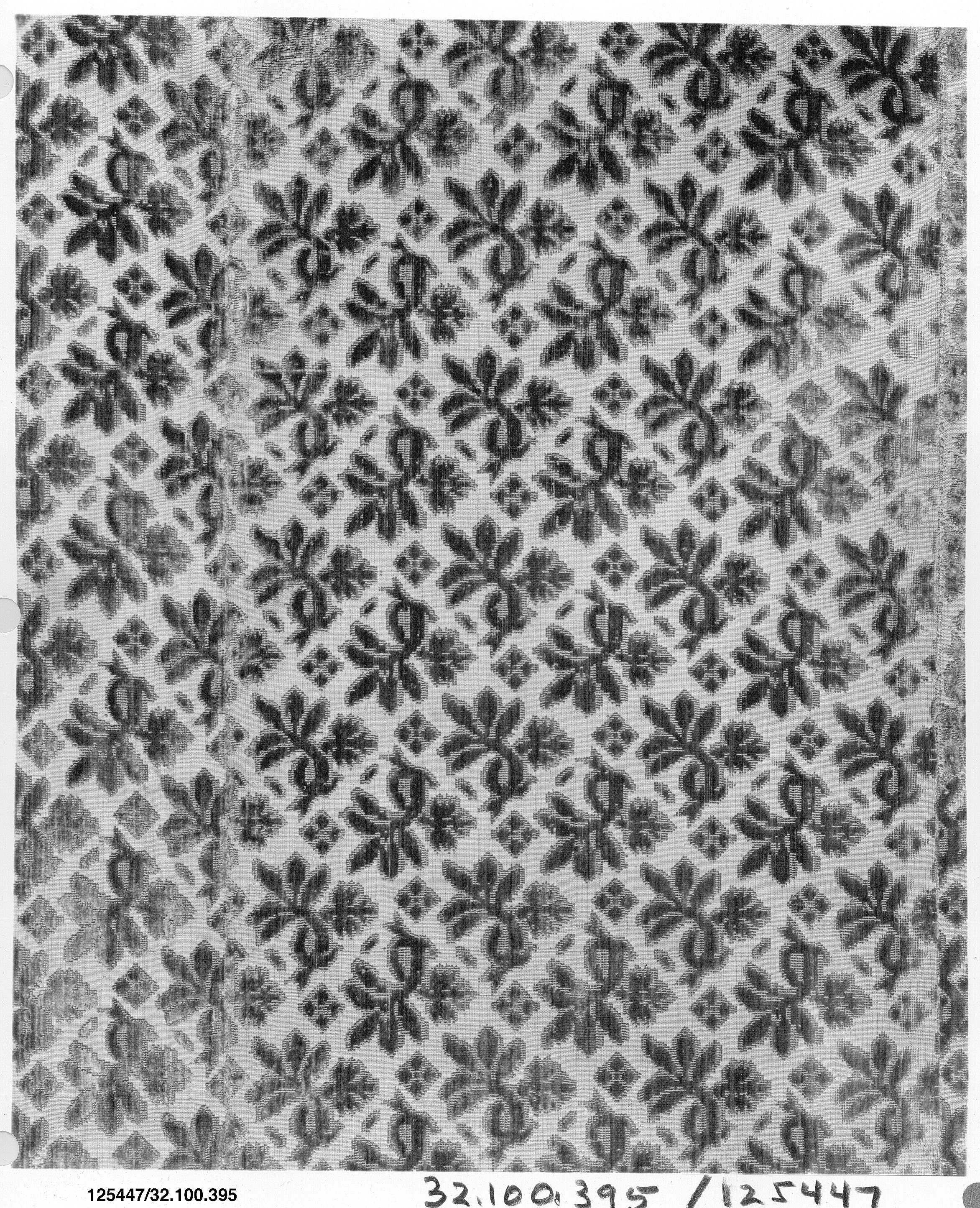
The Panel: A Study in Global Heritage and Couture Construction
In the rarefied world of haute couture, the panel is far more than a mere segment of fabric. It is a foundational unit of design, a canvas for narrative, and a testament to the precise engineering that transforms raw material into wearable art. At Katherine Fashion Lab, the panel is elevated to a subject of standalone study, particularly when derived from the rich tapestry of global heritage and executed in the luminous medium of silk. This analysis deconstructs the panel not as a component, but as a complete, autonomous artifact—a microcosm of cultural memory and technical virtuosity.
Deconstructing the Panel: From Heritage to Haute Couture
The term “panel” in couture parlance refers to a distinct, shaped section of fabric that, when joined with others, forms a garment. However, in the context of Katherine Fashion Lab’s standalone study, the panel is liberated from its functional role. It becomes a self-contained composition, a deliberate fragment that speaks to the whole. The decision to source inspiration from global heritage is a strategic one: it acknowledges that couture is a language spoken across civilizations, where motifs, draping techniques, and symbolic patterns are passed down through generations. Silk, as the chosen material, is the perfect vehicle for this dialogue. Its natural luster, fluidity, and capacity to hold intricate dyes and embroideries make it the quintessential medium for heritage narratives.
The panel’s construction begins with an intensive study of historical precedents. Katherine Fashion Lab does not simply replicate; it reinterprets. For instance, a panel might draw from the ikat weaving traditions of Southeast Asia, where resist-dyeing creates blurred, ethereal patterns. Alternatively, it could reference the geometric precision of Mughal architectural motifs, translated into embroidered silk. Each panel is a curated archive, a physical document of cross-cultural exchange. The materiality of silk—its weight, its drape, its response to light—dictates how these heritage elements are rendered. A heavy charmeuse might be used for structured, sculptural panels that recall the opulence of the Byzantine Empire, while a sheer organza panel could evoke the delicate filigree of Ottoman court dress. The lab’s artisans work with a deep respect for provenance, ensuring that each stitch and dye lot honors the source culture without descending into pastiche.
Materiality and Technique: The Silk Imperative
Silk is not merely a fabric; it is a technology. For Katherine Fashion Lab, the selection of silk is a deliberate act of material intelligence. The lab sources from heritage silk-producing regions—from the mulberry groves of China’s Zhejiang province to the tussar silk of India’s Bihar—each offering a distinct hand and luminosity. The panel’s standalone study demands an acute understanding of how silk behaves under tension, compression, and manipulation. Techniques such as smocking, pleating, and appliqué are employed not as decoration, but as structural elements that define the panel’s geometry.
Consider a panel inspired by Japanese kimono construction, which relies on straight-line cuts and minimal waste. In silk, this translates to a panel that is both architectural and fluid. The lab might use a double-faced satin where the reverse side is finished with equal precision, allowing the panel to be viewed in the round. Alternatively, a panel referencing West African kente cloth would require silk strips woven with metallic threads, creating a rigid yet pliable surface that catches light in fragmented patterns. The technical challenge lies in balancing the silk’s inherent delicacy with the structural demands of the panel’s design. This is achieved through interfacing and underlining techniques that are invisible to the eye but critical to the panel’s integrity. The result is a piece that can stand alone—as a wall hanging, a sculptural object, or a modular component of a larger ensemble—without losing its couture essence.
Narrative and Symbolism: The Panel as Cultural Lexicon
A standalone panel from Katherine Fashion Lab is never silent. It communicates through a vocabulary of symbols, colors, and textures that are drawn from global heritage. The narrative arc is embedded in the panel’s structure: a border might tell a story of migration, a central motif might represent fertility or power, and the interplay of negative space might signify balance or duality. Silk’s ability to absorb and reflect color enhances this narrative. A panel dyed with indigo carries the weight of centuries of trade routes, while one painted with gold leaf references the divine in Byzantine iconography.
The lab’s curatorial approach treats each panel as a primary source. For example, a panel inspired by pre-Columbian Andean textiles might incorporate warp-faced patterning and natural dyes derived from cochineal and annatto. The silk is hand-woven to mimic the density of llama wool, creating a tactile dialogue between the New World and the Old. Conversely, a panel referencing Persian miniature painting would require meticulous hand-painting on silk crepe, with each brushstroke replicating the intricate floral and geometric motifs of the 16th century. The symbolism is not merely decorative; it is functional. The panel’s composition guides the eye, dictating how the garment—or the standalone object—is perceived. A vertical panel might elongate the silhouette, while a horizontal one suggests expansion and grounding. In this way, the panel becomes a tool for visual rhetoric, communicating heritage without the need for verbal explanation.
Standalone Study: Implications for the Future of Couture
The decision to present the panel as a standalone study is a radical departure from conventional couture practice. It challenges the primacy of the complete garment, suggesting that the fragment can hold as much significance as the whole. For Katherine Fashion Lab, this approach is both a preservation strategy and an innovation engine. By isolating the panel, the lab invites a deeper, more forensic examination of heritage techniques. It also allows for modularity: a panel can be integrated into a jacket, a skirt, or displayed as an art object, adapting to the wearer’s context. This flexibility aligns with contemporary demands for sustainability and versatility in luxury fashion. A single panel, meticulously crafted, can transcend seasons and trends, becoming an heirloom piece that carries its cultural lineage forward.
Moreover, the standalone study positions the panel as a prototype for dialogue. In a globalized market, where cultural appropriation is a persistent concern, this methodology offers a path toward respectful engagement. Katherine Fashion Lab’s panels are not souvenirs; they are rigorous interpretations that credit and compensate source communities. The lab collaborates with heritage artisans, ensuring that techniques like kantha embroidery from Bengal or broderie anglaise from France are executed with authenticity. The resulting panel is a co-authored work, a bridge between past and present, East and West. As a standalone object, it invites the viewer to consider the ethics of borrowing and the responsibilities of the couturier in a connected world.
In conclusion, the panel at Katherine Fashion Lab is a masterclass in synthesis. It merges the tactile intelligence of silk with the intellectual rigor of heritage research, producing a form that is at once ancient and avant-garde. This standalone study reaffirms that couture is not merely about clothing the body, but about preserving and reimagining the stories that define us. The panel, in its singular perfection, becomes a testament to the enduring power of craft and the infinite possibilities of global heritage.