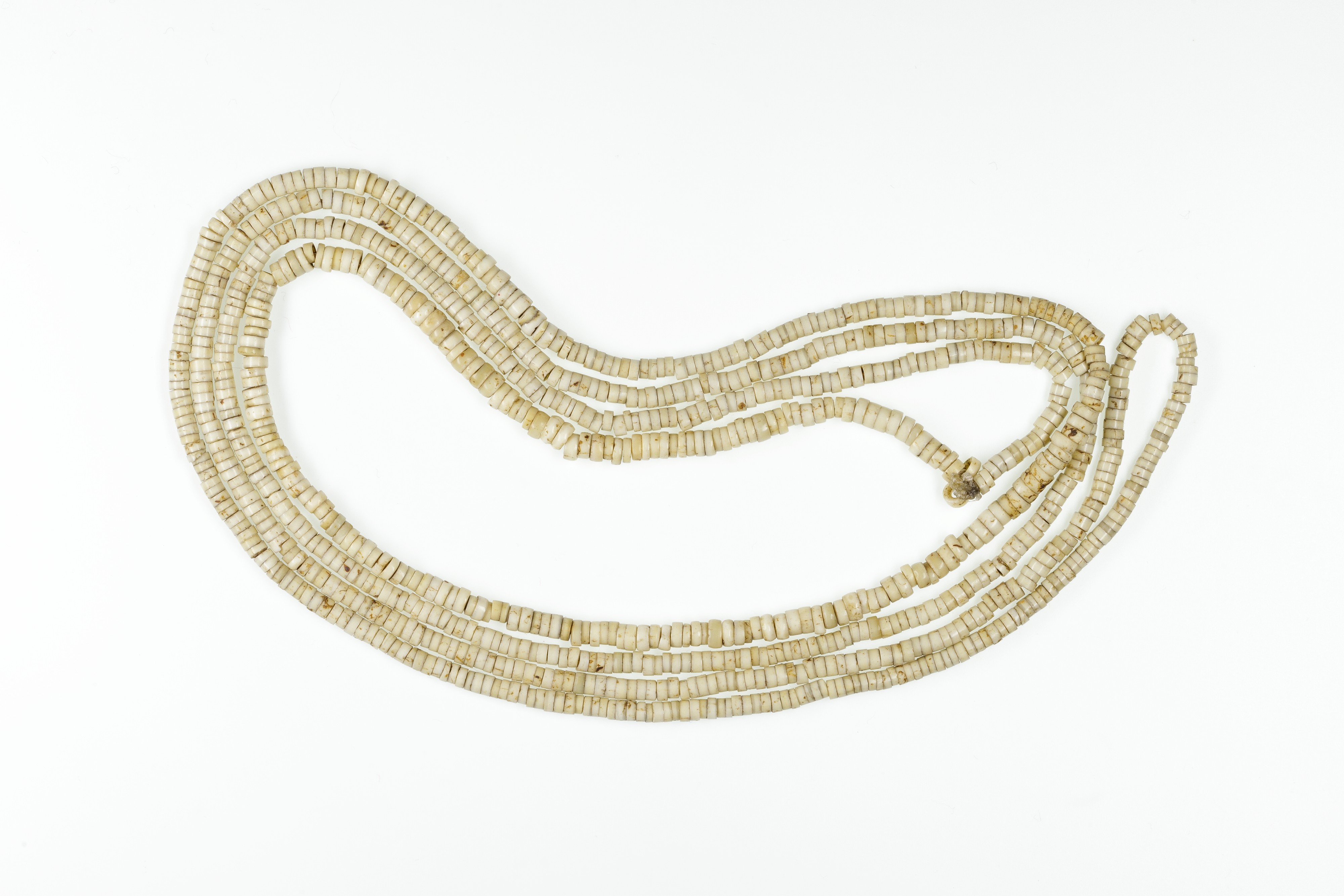
Heritage Analysis: The Bone Necklace as a Symbol of Power and Spirituality in Ancient Civilizations
This report presents a comprehensive heritage analysis of a bone necklace originating from an ancient civilization, examined through the lens of strategic standalone research. The bone necklace, often dismissed as a primitive artifact, emerges as a profound emblem of symbolic power, historical adornment, and spiritual meaning. By decoding its cultural resonance, we extract actionable insights for a 2026 high-end luxury strategy at Katherine Fashion Lab, positioning heritage as a cornerstone of exclusivity and narrative-driven design.
Symbolic Power: The Bone as a Marker of Authority and Identity
In ancient civilizations, the bone necklace was not merely decorative; it was a potent symbol of status, authority, and identity. Bones, particularly from revered animals such as eagles, wolves, or bears, were selected for their perceived strength and connection to the natural world. The wearer of such a necklace signaled mastery over life and death, as bone represented the enduring residue of a living being. For chieftains, shamans, or warriors, the necklace functioned as a badge of honor, often indicating successful hunts, victories in battle, or spiritual initiation. The act of wearing bone was a declaration of resilience, linking the individual to ancestral lineage and the cyclical nature of existence. This symbolic power transcended mere ornamentation, embedding the necklace within a framework of social hierarchy and communal reverence. For Katherine Fashion Lab, this insight underscores the potential to reclaim bone as a material of prestige, not morbidity. By emphasizing its historical association with leadership and courage, a luxury line can evoke narratives of empowerment, appealing to discerning clients who seek jewelry as a talisman of personal strength.
Historical Adornment: Craftsmanship and Cultural Significance
The production of bone necklaces in ancient civilizations required meticulous craftsmanship, reflecting a deep understanding of material properties and aesthetic sensibilities. Artisans carved, polished, and strung bones using sinew or plant fibers, often incorporating geometric patterns or totemic symbols. This process was labor-intensive, with each piece bearing the unique imprint of its creator. Historical adornment through bone was not uniform across cultures; for instance, in Neolithic Europe, bone beads were used in burial rites, while in pre-Columbian Mesoamerica, bone pendants depicted deities or celestial motifs. The necklace served as a canvas for cultural storytelling, with designs passed down through generations. This historical context highlights the value of artisanal production and the importance of provenance. For a 2026 high-end luxury strategy, Katherine Fashion Lab can leverage this by collaborating with contemporary artisans who revive ancient techniques, such as hand-carving or natural dyeing. The rarity of such skills aligns with luxury’s demand for exclusivity and authenticity, offering clients a tangible connection to human heritage. Furthermore, the narrative of each piece—its cultural origin and symbolic meaning—can be articulated through digital storytelling, enhancing perceived value.
Spiritual Meaning: The Necklace as a Conduit for the Sacred
Beyond its secular roles, the bone necklace held profound spiritual meaning in ancient civilizations. Bones were believed to house the essence of the deceased, serving as a bridge between the living and the spirit world. Shamans and healers wore bone necklaces during rituals to channel protective energies, ward off evil, or facilitate communication with ancestors. In some cultures, the necklace was a funerary object, placed with the dead to ensure safe passage into the afterlife. The materiality of bone—its porous texture and organic origin—evoked a sense of impermanence and renewal, aligning with cosmological beliefs about life, death, and rebirth. This spiritual dimension transforms the bone necklace from an artifact into a sacred object, imbued with metaphysical significance. For modern luxury consumers, spirituality is increasingly sought as a counterbalance to materialism. Katherine Fashion Lab can position its bone necklace collection as a source of grounding and intention, perhaps incorporating elements like engraved runes or gemstone accents that amplify protective qualities. Marketing campaigns should emphasize ritualistic practices, such as wearing the necklace during meditation or significant life transitions, thereby fostering an emotional bond between the wearer and the piece.
Strategic Implications for 2026 High-End Luxury Strategy
Integrating the heritage of the ancient bone necklace into a 2026 high-end luxury strategy requires a multifaceted approach that respects tradition while embracing modernity. First, material sourcing must prioritize ethical and sustainable practices. Bone, as a byproduct of food industries, can be repurposed through upcycling, aligning with luxury’s growing emphasis on environmental responsibility. Katherine Fashion Lab should partner with certified suppliers who ensure traceability and humane treatment, transforming bone into a symbol of conscious luxury rather than exploitation. Second, design innovation should merge ancient motifs with contemporary aesthetics. For example, minimalist bone pendants with clean lines can appeal to modern tastes, while intricate carvings of celestial patterns cater to collectors. The use of precious metals like gold or platinum as accents can elevate the material, bridging the gap between rustic and refined. Third, storytelling is paramount. Each necklace should be accompanied by a heritage dossier detailing its cultural inspiration, artisan biography, and symbolic meaning. This narrative can be delivered through immersive experiences, such as virtual reality tours of ancient sites or exclusive events with historians and anthropologists. Finally, pricing strategy must reflect the product’s rarity and narrative depth. Limited editions, numbered pieces, and made-to-order options can command premium prices, targeting ultra-high-net-worth individuals who value uniqueness and cultural resonance. By positioning the bone necklace as a modern talisman—a fusion of ancient wisdom and contemporary luxury—Katherine Fashion Lab can differentiate itself in a saturated market, appealing to clients who seek meaning as much as aesthetic beauty.
Conclusion
The bone necklace from ancient civilizations offers a rich tapestry of symbolic power, historical adornment, and spiritual meaning. Its journey from a ritual object to a potential luxury icon underscores the enduring human desire for connection to heritage and the sacred. For Katherine Fashion Lab, this analysis provides a strategic roadmap for 2026: embrace ethical craftsmanship, leverage storytelling, and design with intention. By honoring the past while innovating for the future, the bone necklace can transcend its primitive origins to become a cornerstone of high-end luxury, resonating with a clientele that craves authenticity, exclusivity, and depth.