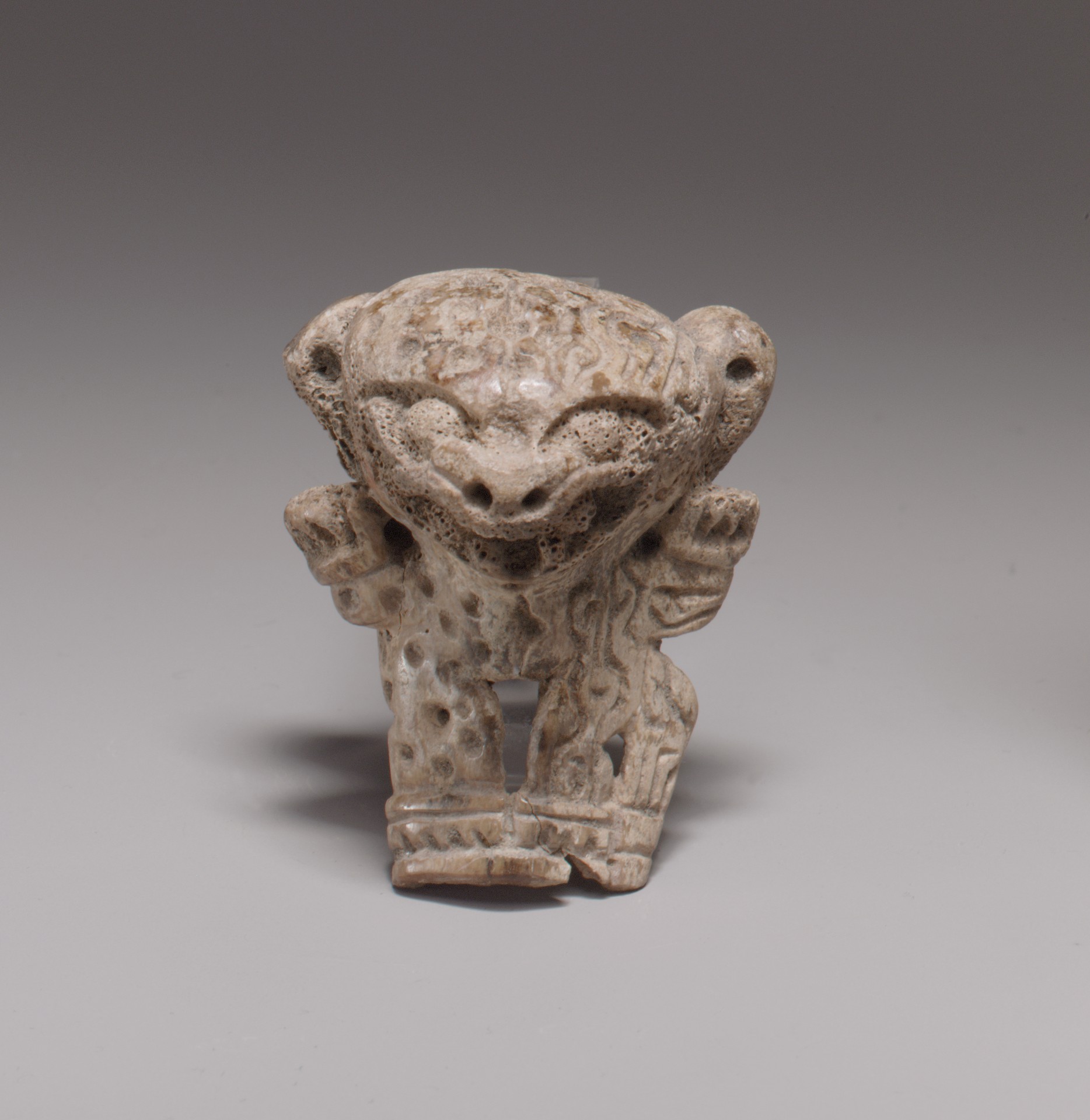
Executive Heritage Analysis: The Spotted Feline in Tolita-Tumaco Culture
This strategic heritage analysis examines the symbolic, spiritual, and adornment-related significance of the spotted feline motif within the Tolita-Tumaco culture, as rendered in bone medium. Commissioned by Katherine Fashion Lab, this research positions the motif for integration into a 2026 high-end luxury strategy, emphasizing authenticity, cultural reverence, and market differentiation.
Historical and Cultural Context of the Tolita-Tumaco
The Tolita-Tumaco civilization flourished along the Pacific coast of present-day Colombia and Ecuador from approximately 600 BCE to 400 CE. Renowned for their sophisticated metallurgy and ceramic artistry, this culture produced intricate adornments in gold, shell, and bone. The spotted feline—most often representing the jaguar or ocelot—occupied a central role in their cosmological and social frameworks. Bone, as a medium, was selected for its durability, sacred association with animal vitality, and its capacity to hold fine incised details. The choice of bone reflects a deliberate strategy of material symbolism: it connects the wearer to the animal's life force, transforming adornment into a conduit for spiritual power.
Symbolic Power of the Spotted Feline
In Tolita-Tumaco belief systems, the spotted feline was not merely a predator but a liminal being—a guardian of thresholds between the earthly and the supernatural. The spots, often rendered as circular or ovoid perforations or inlays, symbolized the stars, the eyes of ancestors, or the markings of shamanic vision. This iconography conferred upon the wearer attributes of stealth, territorial dominance, and the ability to navigate spiritual realms. For high-ranking individuals—chiefs, warriors, and shamans—adornments featuring the spotted feline functioned as status insignia and protective talismans. The strategic implication for Katherine Fashion Lab is clear: the spotted feline motif carries an inherent narrative of authority, mystery, and transcendental connection, qualities that align with luxury branding's demand for exclusivity and depth.
Historical Adornment: Bone as a Medium of Prestige
Bone artifacts from the Tolita-Tumaco period include pectorals, ear ornaments, nose rings, and pendants. The spotted feline motif was frequently carved into these pieces using obsidian or flint tools, with the bone's natural curvature and grain integrated into the design. The choice of bone was intentional: it evoked the animal's skeleton, reinforcing the idea that the wearer internalized the feline's essence. Archaeological evidence suggests that such adornments were worn during ritual ceremonies, funerary rites, and diplomatic exchanges. The materiality of bone—its weight, texture, and organic warmth—created a tactile experience that modern luxury consumers increasingly seek in an era of digital saturation. For 2026, Katherine Fashion Lab can leverage bone's artisanal authenticity as a counterpoint to mass-produced materials, positioning it as a hallmark of bespoke craftsmanship.
Spiritual Meaning and Shamanic Resonance
The spotted feline's spiritual dimension in Tolita-Tumaco culture is deeply entwined with shamanic transformation. Shamans, or curanderos, believed that donning a feline-adorned bone ornament facilitated a state of altered consciousness, enabling them to traverse the three cosmic layers: the underworld, the earthly plane, and the celestial realm. The spots were interpreted as portals—each marking a point of entry for spiritual energy. This cosmology offers Katherine Fashion Lab a rich narrative framework for its 2026 strategy. By framing the spotted feline motif as a symbol of inner transformation and protective power, the brand can appeal to consumers seeking meaning beyond aesthetics. The motif's spiritual resonance can be communicated through storytelling in lookbooks, digital campaigns, and exclusive events, positioning the collection as a vessel for personal empowerment.
Strategic Implications for 2026 High-End Luxury
To translate this heritage into a commercially viable luxury strategy, Katherine Fashion Lab must balance cultural integrity with contemporary desirability. The following pillars are recommended:
Material Authenticity and Craftsmanship
Bone, as a natural material, aligns with the 2026 luxury trend toward sustainability and artisanal revival. However, ethical sourcing is paramount. Katherine Fashion Lab should partner with certified artisans who use responsibly sourced bone (e.g., from food industry byproducts) and traditional carving techniques. Each piece should be accompanied by a certificate of origin and a narrative card detailing the Tolita-Tumaco symbolism, reinforcing the brand's commitment to cultural preservation. The tactile quality of polished bone—cool to the touch, yet warm with wear—offers a sensory signature that synthetic materials cannot replicate.
Design Language: Abstraction and Modernity
Direct replication of ancient motifs risks cultural appropriation. Instead, the spotted feline pattern should be abstracted—interpreted through geometric spots, asymmetrical layouts, or negative-space carving. For example, a bone cuff bracelet could feature a series of small, carved circles that echo feline markings without depicting the animal literally. This approach respects the original symbolism while appealing to contemporary minimalist aesthetics. The 2026 consumer values subtlety over overt branding; a motif that whispers its heritage will command higher perceived value.
Marketing and Storytelling Strategy
Katherine Fashion Lab should position the collection under a thematic umbrella such as "Threshold Guardians" or "Liminal Power." Campaign imagery should evoke twilight, mist, and shadow—visual cues that reference the feline's nocturnal, liminal nature. Collaborations with indigenous scholars or Tolita-Tumaco descendant communities can lend credibility and depth. Exclusive trunk shows, augmented reality experiences that visualize the shamanic journey, and limited-edition numbering (e.g., "Spirit of the Jaguar: 1 of 100") will reinforce scarcity and mystique. The price point should reflect the material's rarity and the labor-intensive carving process, targeting the ultra-high-net-worth segment that values provenance.
Ritual and Experience Design
Luxury in 2026 is increasingly experiential. Katherine Fashion Lab could offer a "Ritual Adornment" service, where clients participate in a guided meditation or consultation to select a bone piece that aligns with their personal spiritual goals. This transforms the purchase into a transformative act, echoing the Tolita-Tumaco belief that adornment alters the wearer's essence. Such experiences create deep emotional bonds with the brand, fostering loyalty and word-of-mouth advocacy among influential clientele.
Conclusion: A Strategic Path Forward
The spotted feline motif from Tolita-Tumaco culture, rendered in bone, offers Katherine Fashion Lab a rare convergence of symbolic power, historical depth, and spiritual resonance. By honoring the material's sacred origins and abstracting its design for modern sensibilities, the brand can create a 2026 luxury collection that stands apart in a crowded market. This is not merely adornment—it is a dialogue with the past, a talisman for the future, and a statement of cultural fluency that discerning consumers will recognize as the pinnacle of heritage-driven luxury.