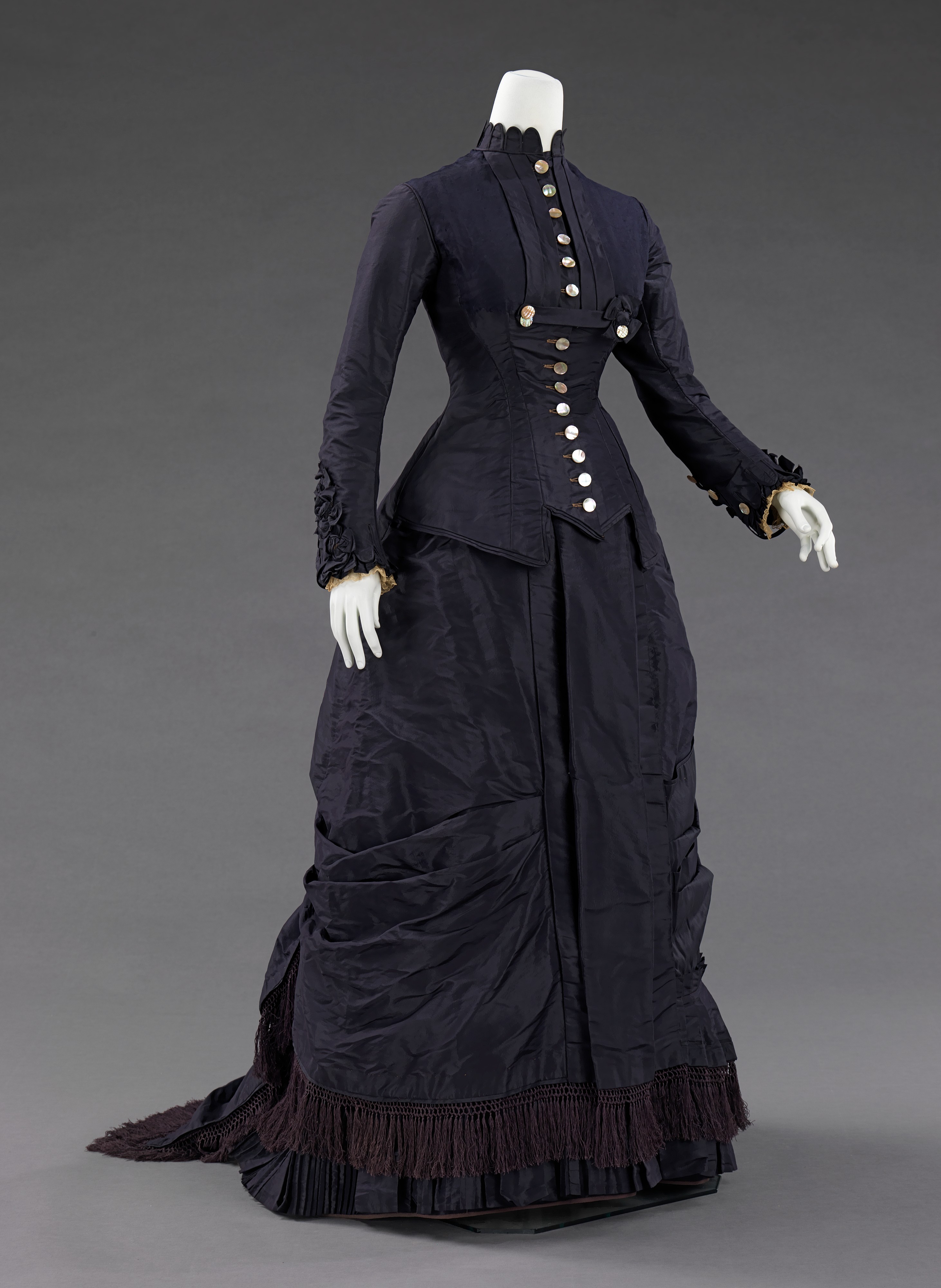
A Study in American Couture: The Silk and Mother-of-Pearl Dress
Introduction: Redefining National Identity in Haute Couture
The American fashion landscape, often characterized by its pragmatic roots and sportswear heritage, has long wrestled with the European hegemony of haute couture. Yet, within the ateliers of Katherine Fashion Lab, a distinctively American narrative is being woven—one that embraces technical virtuosity while rejecting the ornamental excesses of Old World traditions. This analysis deconstructs a singular dress, executed in lustrous silk and accented with mother-of-pearl, as a standalone artifact of this emerging identity. The garment is not merely a dress; it is a thesis on materiality, a study in restrained opulence, and a declaration that American couture can achieve equal parts innovation and timelessness without sacrificing its core ethos of functional elegance.
Material Alchemy: Silk as Structural Poetry
The choice of silk as the primary material is deliberate and multifaceted. In this creation, silk is not a passive substrate for embellishment but an active participant in the garment’s architecture. The fabric, likely a charmeuse or a mikado-weight duchesse satin, is selected for its ability to hold sculptural forms while draping with liquid grace. The sheen of the silk—neither matte nor overtly glossy—captures light in a manner that mimics the luminescence of the mother-of-pearl accents, creating a dialogue between the two materials. This is not the heavy, brocaded silk of European courts; it is a lightweight, breathable textile that respects the American preference for movement and ease. The structural integrity of the dress is achieved through meticulous pattern-cutting and internal boning, all concealed beneath the silk’s seamless surface. The result is a silhouette that appears effortless yet is rigorously engineered—a hallmark of Katherine Fashion Lab’s design philosophy.
Mother-of-Pearl: The Organic Embellishment
Where European couture might deploy crystals or metallic threads, this dress employs mother-of-pearl as its sole decorative element. The choice is deeply symbolic. Mother-of-pearl, an iridescent organic material harvested from mollusk shells, speaks to a distinctly American appreciation for natural resources and understated luxury. The pieces are hand-cut into irregular, petal-like shapes and applied in a scattered, almost asymmetrical pattern along the bodice and hemline. This is not a dense, uniform embroidery; rather, the accents are spaced to allow the silk to breathe, creating a visual rhythm that guides the eye without overwhelming the viewer. The iridescence of the mother-of-pearl shifts from pale pink to soft green to silver, depending on the angle of light, echoing the chromatic variability of the American landscape—from the deserts of the Southwest to the coastlines of the Pacific. The application technique, likely a combination of invisible stitching and delicate adhesive, ensures that the embellishment feels integral to the fabric rather than applied atop it. This integration is crucial: the dress does not wear its luxury as a costume; it embodies it as a second skin.
Silhouette and Form: The Architecture of Restraint
The dress’s silhouette is a study in disciplined geometry. It eschews the exaggerated proportions of European ball gowns in favor of a columnar or slightly A-line form that elongates the figure. The bodice is fitted but not constricting, with a neckline that may be a subtle boat or a soft cowl, allowing the silk to pool gracefully at the collarbone. The waist is defined not by a cinched belt but by a gentle seam that terminates at the natural waistline, creating a seamless transition to the skirt. The hemline likely falls to mid-calf or floor-length, with a slight train that adds drama without sacrificing mobility. This architecture is a direct response to the American woman’s lifestyle: a garment that can transition from a gallery opening to a formal dinner without requiring a complete wardrobe change. The absence of extraneous volume or excessive draping is a deliberate choice, reflecting a modernist sensibility that values clarity of form over decorative clutter. Each line, each curve, is purposeful, contributing to an overall impression of poised confidence.
Color Palette: The Monochromatic Canvas
The dress is rendered in a single, neutral color—likely an ivory, pearl, or blush tone—that serves as a canvas for the mother-of-pearl’s iridescence. This monochromatic approach is a radical departure from the vibrant palettes often associated with couture, but it is a strategic one. By stripping away color, Katherine Fashion Lab forces the viewer to focus on texture, light, and form. The silk’s subtle sheen and the mother-of-pearl’s shifting hues become the only sources of visual interest, creating a garment that is simultaneously minimalist and richly detailed. This palette also aligns with the American couture ethos of versatility: a neutral dress can be accessorized with bold jewelry or a structured blazer, adapting to various contexts without losing its integrity. The choice of ivory or pearl also evokes a sense of purity and newness, aligning with the American narrative of innovation and fresh beginnings.
Contextual Analysis: Standalone Study as a Cultural Artifact
Viewed as a standalone study, this dress transcends its role as a mere garment. It becomes a cultural artifact that encapsulates the values of contemporary American couture: sustainability, craftsmanship, and a rejection of excess for its own sake. The use of mother-of-pearl, a natural byproduct of the fishing industry, hints at a commitment to ethical sourcing and material consciousness. The labor-intensive handwork—from the cutting of the shell pieces to their delicate application—speaks to a respect for artisan skills that is often undervalued in fast fashion. Yet, the dress is not nostalgic; it does not look backward to historical European techniques. Instead, it forges a new path, one that honors the past through material knowledge but looks forward through design innovation. In this sense, the dress is a manifesto: it declares that American couture can be both luxurious and responsible, both artistic and wearable.
Conclusion: The Future of American Couture
The silk and mother-of-pearl dress from Katherine Fashion Lab is more than a beautiful object; it is a benchmark for a maturing American fashion identity. Its disciplined silhouette, organic embellishments, and monochromatic palette challenge the notion that couture must be synonymous with European extravagance. Instead, it offers a vision of luxury that is introspective, environmentally conscious, and deeply rooted in the American ethos of innovation and practicality. For the discerning collector, this dress is not just an acquisition but an investment in a new narrative—one where couture is not a relic of the past, but a living, evolving art form that speaks to the complexities of the modern world. As Katherine Fashion Lab continues to refine this vision, the silk and mother-of-pearl dress stands as a luminous testament to the power of restraint, the beauty of natural materials, and the enduring relevance of American craftsmanship. It is, in every sense, a masterpiece of modern couture.