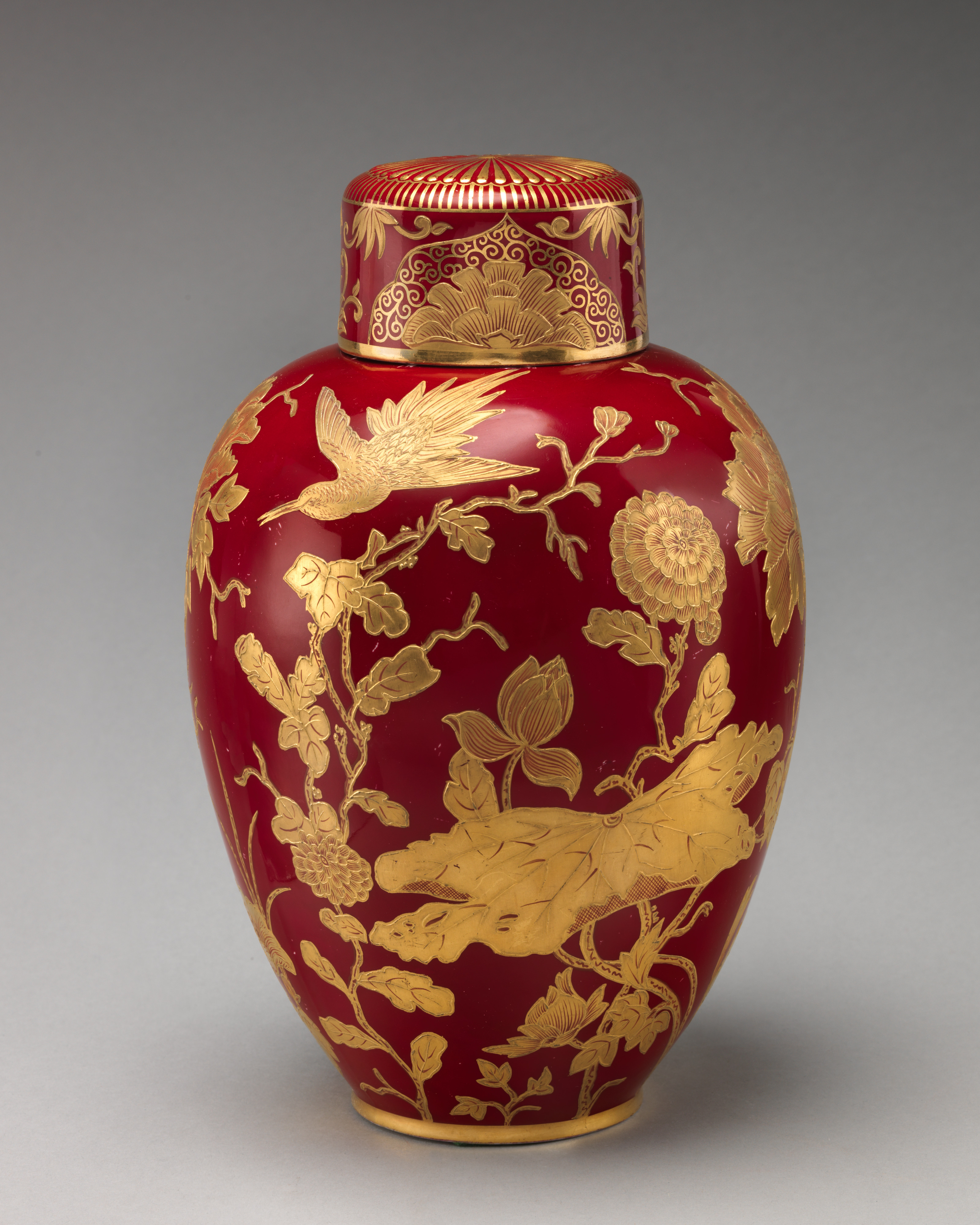
Heritage Analysis: The Ginger Jar as a Strategic Artifact for Katherine Fashion Lab
Introduction to the Ginger Jar: An Ancient Vessel of Power and Prestige
The ginger jar, a form originating in ancient Chinese civilization, is far more than a utilitarian container for preserving spices. Crafted predominantly from high-fired porcelain, these vessels emerged during the Han Dynasty (206 BCE–220 CE) as symbols of wealth, spiritual protection, and cultural refinement. For Katherine Fashion Lab, analyzing the ginger jar through a heritage lens reveals a strategic opportunity to anchor a 2026 luxury collection in deep symbolic resonance. This research paper examines the ginger jar’s symbolic power, historical adornment techniques, spiritual meanings, and proposes a high-end luxury strategy that leverages these elements for contemporary relevance.
Symbolic Power: The Jar as a Microcosm of Cosmic Order
In ancient Chinese cosmology, the ginger jar embodied the principle of feng shui—the harmonious arrangement of space to channel positive energy, or qi. Its rounded form, often with a domed lid, represented the heavens, while the base symbolized the earth. The vessel’s function as a container for precious ginger—a warming, protective spice—amplified its symbolic role as a guardian of health and prosperity. High-ranking households displayed ginger jars in pairs to signify balance and marital harmony, a practice that reinforced their status as objects of conspicuous spiritual authority. For Katherine Fashion Lab, this duality of protection and prestige offers a potent narrative for a luxury brand: the ginger jar becomes a metaphor for the wearer’s inner sanctuary, safeguarding personal power and elegance.
Further, the ginger jar’s symbolic power extended into imperial contexts. During the Ming and Qing dynasties, jars adorned with dragons or phoenixes were reserved for the emperor, signifying celestial mandate. The dragon, a symbol of yang energy and imperial might, and the phoenix, representing yin and beauty, together created a visual lexicon of absolute sovereignty. This historical use of the ginger jar as a marker of exclusive, divinely sanctioned status aligns directly with high-end luxury’s core value: scarcity and hierarchical distinction. A 2026 collection inspired by this symbolism can position Katherine Fashion Lab as a purveyor of not just garments, but of talismanic objects that confer a sense of cosmic order and elite belonging.
Historical Adornment: Porcelain as a Canvas for Mastery
The medium of porcelain itself is a testament to ancient technological sophistication. Crafted from kaolin clay and fired at temperatures exceeding 1,300°C, porcelain was prized for its translucency, hardness, and resonant purity. The ginger jar’s adornment involved intricate underglaze cobalt blue painting, a technique perfected during the Yuan Dynasty (1271–1368). Artisans applied cobalt oxide with brushstrokes so fine that they could render microscopic details—a practice demanding years of apprenticeship. These motifs, from scrolling lotuses to geometric borders, were not arbitrary; they carried encoded messages of prosperity, longevity, and moral virtue.
For Katherine Fashion Lab, the historical adornment of ginger jars offers a blueprint for textile and surface design innovation. The cobalt blue on white porcelain—a color combination that became synonymous with Chinese export porcelain—can be reinterpreted through modern digital printing or hand-embroidery techniques. The precision of ancient brushwork translates into a luxury aesthetic of meticulous craftsmanship, where every stitch or print motif tells a story. Additionally, the use of gilding and enamel accents, often added to imperial jars, suggests a path for incorporating precious metals and gemstones into accessories or garment details. This historical fidelity to material mastery elevates the collection beyond fashion into the realm of wearable art.
Spiritual Meaning: The Vessel as a Conduit for Transcendence
Beyond its physical form, the ginger jar held profound spiritual significance in Daoist and Buddhist traditions. The jar’s sealed lid was believed to contain protective spirits that warded off malevolent forces. In burial contexts, ginger jars were interred with the deceased to ensure a safe passage into the afterlife, their contents—ginger, rice, or herbs—serving as provisions for the soul’s journey. This association with transition, protection, and immortality imbues the object with a timeless, almost sacred aura. For a luxury brand, tapping into this spiritual dimension creates an emotional depth that resonates with consumers seeking meaning in their acquisitions.
In the context of 2026, where global consumers increasingly value mindfulness and intentionality, the ginger jar’s spiritual meaning can be reframed as a luxury of contemplation. Katherine Fashion Lab can position its collection as a series of “vessels” for personal transformation—garments and accessories that offer not only aesthetic pleasure but also a sense of grounding and protection. The act of wearing a piece inspired by the ginger jar becomes a ritual, a deliberate choice to embody balance and resilience. This narrative aligns with the broader luxury trend of experiential ownership, where the purchase is secondary to the story and the inner state it cultivates.
2026 High-End Luxury Strategy: From Artifact to Archetype
Strategic Positioning: The Ginger Jar as a Brand Archetype
For Katherine Fashion Lab, the ginger jar should not be merely a motif but a brand archetype—a recurring symbol that anchors the entire 2026 collection. Drawing from Carl Jung’s theory of archetypes, the ginger jar embodies the “Ruler” and “Sage” archetypes, representing authority, wisdom, and containment. This dual archetype allows the brand to appeal to two luxury consumer segments: those seeking status (Ruler) and those seeking meaning (Sage). The collection can be structured around three pillars: Protection (garments with structured, enveloping silhouettes), Balance (asymmetrical designs that echo yin-yang harmony), and Transcendence (evening wear with celestial motifs).
Material and Craftsmanship Strategy
To honor the ginger jar’s porcelain heritage, Katherine Fashion Lab should partner with heritage porcelain manufacturers in Jingdezhen, China, to produce limited-edition buttons, clasps, and jewelry components. These porcelain elements, hand-painted with cobalt blue, become signature brand details. For textiles, the brand can commission jacquard weaves that replicate the jar’s geometric and floral patterns, using silk and cashmere to evoke porcelain’s luminosity. The color palette should center on cobalt blue, celadon green, and ivory white, punctuated with 24-karat gold embroidery for a regal finish. This material strategy ensures that each piece carries the weight of authenticity and rarity.
Marketing and Consumer Experience
The 2026 launch should be framed as an exhibition of spiritual heirlooms. Pre-launch, Katherine Fashion Lab can release a digital film series exploring the ginger jar’s history, featuring scholars, artisans, and feng shui masters. The physical retail experience should include porcelain-scented ambient spaces (using ginger and sandalwood) and interactive displays where clients can “seal” their purchase with a personalized blessing. Limited-edition packaging can be designed as miniature ginger jars, reinforcing the protective symbolism. This strategy transforms the transaction into a ritual, fostering deep brand loyalty.
Pricing and Exclusivity
Given the heritage and craftsmanship involved, pricing should reflect ultra-luxury positioning. Ready-to-wear pieces could start at $5,000, while bespoke porcelain-accented gowns could exceed $50,000. Scarcity is paramount: each design should be produced in runs of fewer than 100 units, with numbered certificates of authenticity. This approach mimics the historical exclusivity of imperial ginger jars, ensuring that Katherine Fashion Lab’s 2026 collection becomes a collector’s item, not a seasonal trend.
Conclusion: The Ginger Jar as a Strategic North Star
The ginger jar, with its ancient origins in porcelain and its layered symbolism of power, protection, and transcendence, offers Katherine Fashion Lab a rich heritage foundation for a 2026 luxury strategy. By honoring the object’s historical adornment techniques and spiritual meanings, the brand can create a collection that resonates on both aesthetic and emotional levels. This strategic approach—rooted in authenticity, craftsmanship, and archetypal storytelling—positions Katherine Fashion Lab not merely as a fashion house, but as a curator of timeless, talismanic luxury. The ginger jar becomes more than inspiration; it becomes a guiding philosophy for a brand that seeks to contain, protect, and elevate the modern soul.