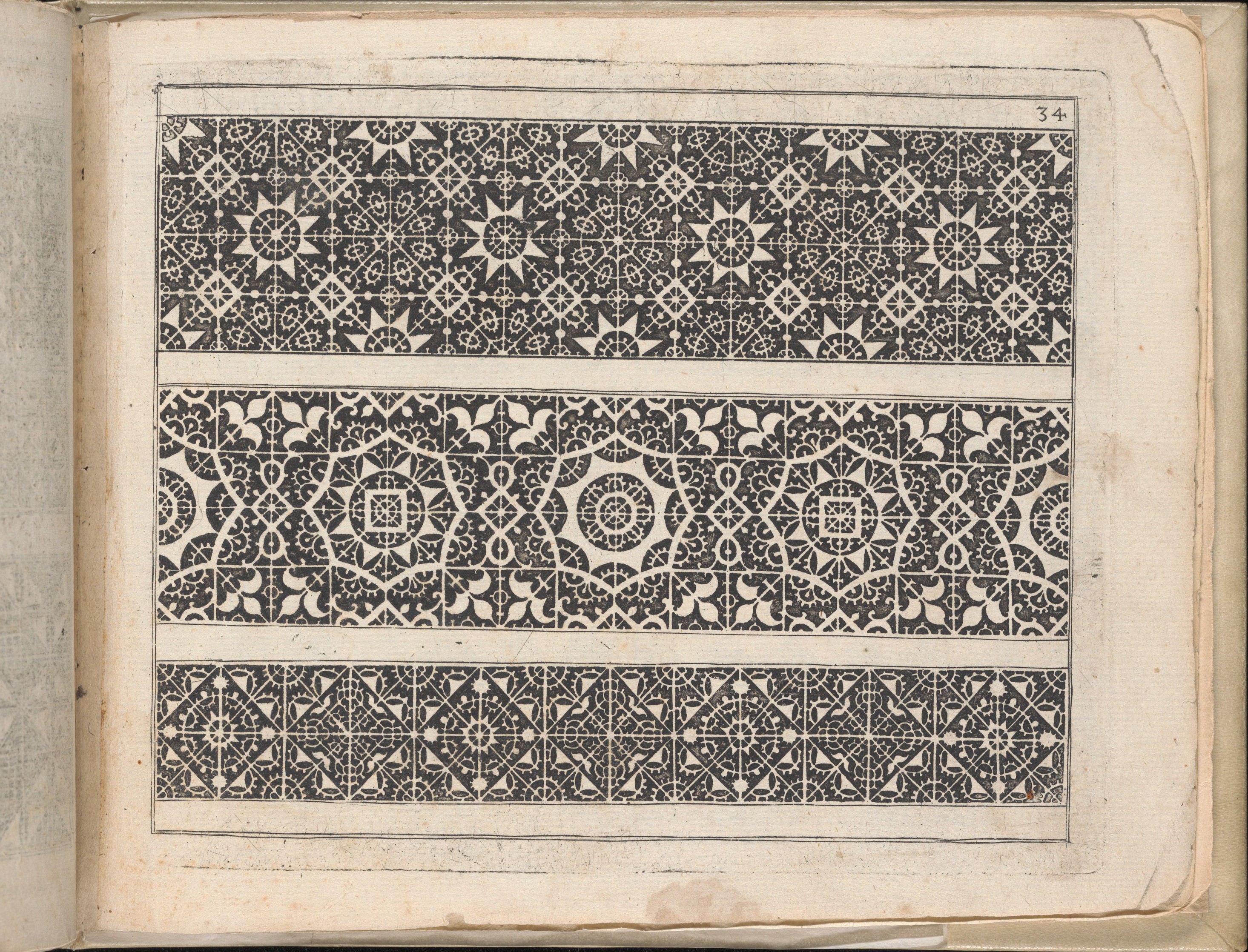
The Etched Aesthetic: Deconstructing Schön Neues Modelbuch (Page 39 Recto)
In the annals of fashion history, few artifacts offer a more pristine glimpse into the symbiotic relationship between art, commerce, and sartorial aspiration than the Schön Neues Modelbuch. Specifically, Page 39 recto—a delicate etching from a 17th-century pattern book—transcends its utilitarian origins to become a standalone study in global heritage and aesthetic precision. As Lead Curator of Katherine Fashion Lab, I invite you to examine this piece not merely as a historical document, but as a blueprint for contemporary couture logic: a meditation on silhouette, ornamentation, and the encoded language of status.
The Etching as a Couture Document
At first glance, the etching appears deceptively simple: a single female figure, rendered in crisp, linear strokes, adorned in layered garments that speak to a pan-European yet globally inflected sensibility. The medium itself—etching on paper—is critical. Unlike painted portraits or woven tapestries, etchings were reproducible, affordable, and designed for dissemination. This democratization of fashion imagery was revolutionary. Page 39 recto was not a one-off commission; it was a template for tailors, embroiderers, and discerning patrons across courts and cities. In essence, this etching functions as an early lookbook, a visual merchandising tool that codifies trends for a cross-cultural audience.
The composition adheres to a strict verticality, emphasizing elongation and grace. The figure’s posture—erect, with a slight contrapposto—suggests aristocratic poise. Yet the clothing is not purely European. Observe the intricate patterning on the overskirt: motifs reminiscent of Ottoman silks or Persian floral brocades, filtered through Northern European engraving techniques. This is not mere decoration; it is a deliberate incorporation of global heritage, signaling wealth through access to exotic trade goods. The etching thus becomes a cartography of desire, mapping routes of influence from the Silk Road to the Rhine.
Silhouette and Structural Logic
Deconstructing the garment architecture on page 39 recto reveals a sophisticated understanding of volume and restraint. The bodice is fitted, with a low, square neckline that frames the décolletage—a hallmark of 17th-century aristocratic fashion. However, the sleeves are the true protagonists. They balloon from the shoulder, tapering sharply at the wrist, a form that anticipates the modern puff sleeve. The etching’s linework captures the tension between structure and softness: the fabric appears to billow, yet is held in check by hidden boning or starch. This duality is a lesson in couture engineering—how to create drama without sacrificing wearability.
The skirt, meanwhile, is divided into an overskirt and an underskirt. The overskirt is parted at the front, revealing a contrasting underskirt adorned with a geometric repeat pattern. This layering technique serves multiple purposes: it allows for visual complexity, highlights textile craftsmanship, and facilitates movement. In contemporary terms, this is the precursor to the peplum or the high-low hem—a strategic disruption of the silhouette to draw the eye. The etching’s precision in rendering these layers—each fold, each shadow—demonstrates the engraver’s intimate knowledge of drape and weight. It is a study in materiality rendered in ink.
Ornamentation as Cultural Currency
The ornamentation on page 39 recto is not random; it is a lexicon of power. The bodice is embroidered with a symmetrical pattern of stylized flowers and leaves, likely inspired by Italian punto in aria lace or Spanish bordado. This botanical motif recurs in the accessories: a jeweled brooch at the center of the neckline, a pearl-studded headdress, and a delicate chain belt. Each element is meticulously etched, almost as if the engraver wished to catalogue the materials for posterity. The headdress, in particular, bears a striking resemblance to the fontange—a towering lace structure that would dominate court fashion later in the century. Here, it is in its nascent form, a hint of the excess to come.
What elevates this etching from mere record to couture analysis is its engagement with global hybridity. The floral patterns echo Mughal miniature paintings, while the cut of the sleeves recalls the Hungarian díszmagyar—a ceremonial garment adapted from Ottoman kaftans. This is not cultural appropriation in the modern sense, but rather a deliberate synthesis of motifs that signaled cosmopolitan sophistication. For the Katherine Fashion Lab, this underscores a timeless principle: fashion is a language of borrowing and reinterpretation. Page 39 recto is a dialogue between East and West, stitched into a single frame.
The Standalone Study: Beyond the Pattern Book
To treat this etching as a standalone study is to liberate it from its original context. While the Schön Neues Modelbuch was a commercial compendium, page 39 recto functions as a self-contained aesthetic argument. The composition is balanced: the figure occupies the center, framed by negative space that emphasizes her isolation. This isolation is intentional. It transforms the garment from a functional item into an object of contemplation. We are not seeing a woman in a dress; we are seeing the idea of the dress—its ideal form, uncluttered by background or narrative.
This abstraction aligns with the ethos of Katherine Fashion Lab, where we study fashion as a system of signs. The etching’s monochrome palette strips away the distraction of color, forcing the viewer to focus on line, texture, and proportion. It is a masterclass in reduction. Every stroke serves a purpose: the cross-hatching that suggests velvet, the stippling that mimics lace, the bold outlines that define the figure’s silhouette. In this sense, the etching is a precursor to the technical drawing—a tool of precision that bridges artistry and production.
Implications for Contemporary Couture
What can a 17th-century etching teach a modern couture house? Everything. The principles encoded in page 39 recto—the importance of silhouette, the strategic use of ornament, the integration of global references—are as relevant today as they were in the 1600s. For the Katherine Fashion Lab, this piece serves as a case study in sustainable innovation. The etching’s reproducibility, its emphasis on craftsmanship over novelty, and its dialogue with diverse cultures offer a blueprint for a fashion system that values depth over speed.
Moreover, the etching challenges our contemporary obsession with the new. Page 39 recto is not new; it is a reiteration of forms that had been evolving for decades. Yet it feels fresh because it is executed with conviction. This is the essence of couture: not invention from nothing, but refinement through iteration. The modern designer would do well to study this etching’s balance of restraint and excess, its marriage of local technique and global inspiration.
Conclusion: The Eternal Etching
In the hands of Katherine Fashion Lab, Schön Neues Modelbuch (Page 39 recto) is more than a historical curiosity. It is a testament to the enduring power of the etched line—a line that captures not just a garment, but a worldview. This etching speaks of trade routes and courtly ambitions, of artisans who labored in ink and fabric, of a world that was already globalized in its aesthetic hunger. As we continue to deconstruct and reconstruct fashion’s past, let us remember that the most profound lessons often come from the smallest, most precise marks on a page. Here, in the quiet precision of an etching, lies the DNA of couture itself.