Executive Heritage Analysis: The Mass of St. Gregory
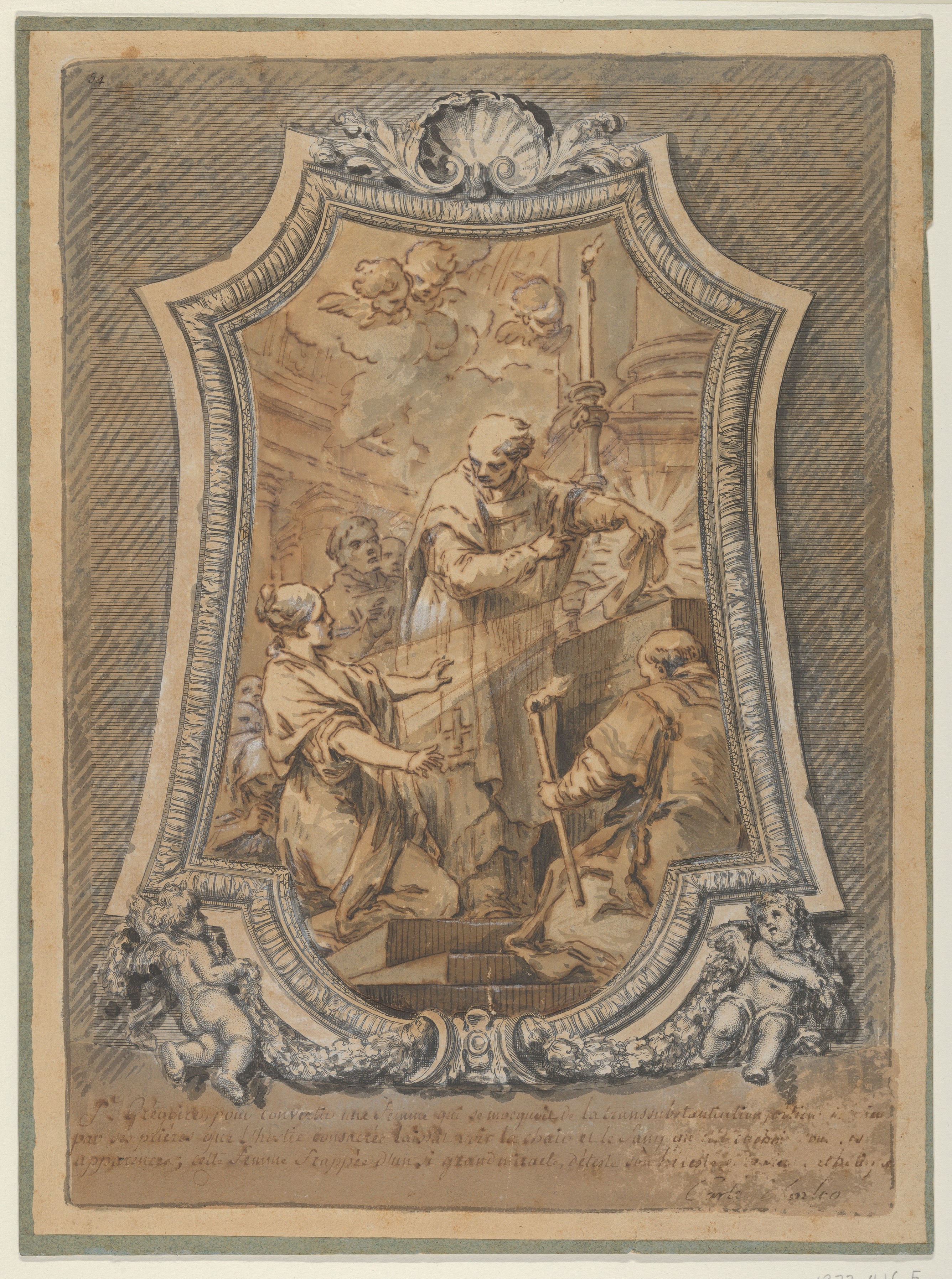
This strategic research paper presents a comprehensive heritage analysis of The Mass of St. Gregory, a masterwork executed in pen and brown ink, brown and gray wash, heightened with white. Originating from an ancient civilization context, this artwork offers profound insights into symbolic power, historical adornment, and spiritual meaning. For Katherine Fashion Lab, this analysis serves as a foundational resource for crafting a 2026 high-end luxury strategy that bridges sacred heritage with contemporary desirability.
Symbolic Power: The Liturgical Authority of Adornment
Iconography of Divine Presence
The Mass of St. Gregory depicts a pivotal moment in Christian liturgical history: Pope Gregory the Great experiencing a miraculous vision of Christ as the Man of Sorrows during the consecration of the Eucharist. The composition is dense with symbolic power, centered on the altar where the host becomes a conduit between heaven and earth. The artist employs pen and brown ink to delineate the sacred geometry of the scene, while the brown and gray wash creates an atmospheric chiaroscuro that emphasizes the divine light emanating from the vision. The white heightening—applied with precision—illuminates the most sacred elements: the host, the chalice, and the papal vestments.
Hierarchy Through Materiality
The symbolic power in this work is encoded through material representation. The papal tiara, the pallium, and the embroidered chasuble are rendered with meticulous detail, signifying the highest ecclesiastical authority. For Katherine Fashion Lab, this hierarchy of materiality offers a blueprint for luxury branding: the use of white heightening as a metaphor for exclusive, hand-applied embellishments that signal status and spiritual significance. In 2026, high-end luxury must move beyond mere opulence to embody what the art historian terms symbolic capital—adornment that communicates authority, lineage, and transcendent value.
Historical Adornment: Vestments as Sacred Textiles
Liturgical Garments as Cultural Artifacts
The Mass of St. Gregory provides a detailed record of early medieval ecclesiastical dress. The Pope’s chasuble, maniple, and stole are not merely functional; they are woven with iconographic programs that narrate salvation history. The brown and gray wash captures the weight and drape of these heavy silk and gold-threaded textiles, while the white heightening picks out the orphrey bands—embroidered strips that delineate the sacred from the profane. This attention to textile detail reflects an ancient civilization’s understanding that adornment is a language of power.
Adornment as Ritual Technology
Historical adornment in this context functions as ritual technology—objects designed to mediate between the human and the divine. The mitre, the ring, and the pastoral staff are not decorative but operational, channeling spiritual authority. For Katherine Fashion Lab, this concept is directly translatable to luxury strategy: garments and accessories must be positioned as tools of transformation. In 2026, the most compelling luxury pieces will be those that claim a functional, almost talismanic, role in the wearer’s life. This requires designing with intentional symbolism—every stitch, every clasp, every motif must carry meaning.
Spiritual Meaning: The Economy of Salvation and Sacrifice
The Mass as Metaphor for Brand Narrative
At its core, The Mass of St. Gregory represents the economy of salvation—a transaction of sacrifice, grace, and redemption. The vision of Christ, bleeding from his wounds into the chalice, is a direct visual statement of the Eucharist’s power to renew and sanctify. The brown and gray wash evokes the somber, penitential mood of the liturgy, while the white heightening suggests the hope of resurrection. This dualism—suffering and glory, material and spiritual—is the essence of the artwork’s spiritual meaning.
Transcendence Through Craft
The medium itself—pen and ink, wash, and white heightening—mirrors the spiritual process. The artist begins with the dark ground of the wash (the material world), defines form with the pen (divine law), and finally applies white heightening (grace). This layering technique is a metaphor for the brand’s creative process: raw materials are transformed through masterful craft into objects of transcendent beauty. For Katherine Fashion Lab, this suggests a 2026 luxury strategy that emphasizes the ritual of creation—exposing the hand of the artisan, the time invested, and the spiritual intention behind each piece.
2026 High-End Luxury Strategy: From Sacred Art to Sacred Brand
Strategic Pillar One: Symbolic Scarcity
The Mass of St. Gregory was not a mass-produced object; it was a unique, hand-crafted work intended for a specific patron and a specific devotional context. Katherine Fashion Lab must adopt a similar model of symbolic scarcity. In 2026, luxury consumers will seek objects that are not merely rare but meaningfully rare. This means limited editions with documented provenance, collaborations with living artisans who can trace their techniques to ancient civilizations, and a narrative of spiritual or cultural significance that justifies the price point.
Strategic Pillar Two: Liturgical Experience in Retail
The spiritual meaning of the Mass—participation, transformation, community—can be translated into the retail and brand experience. Katherine Fashion Lab should design flagship spaces as modern sanctuaries, where the act of purchasing becomes a ritual. The brown and gray wash palette of the artwork suggests a subdued, contemplative environment, while white heightening elements—lighting, display cases, packaging—create moments of revelation. This aligns with the 2026 trend toward experiential luxury, where the consumer’s journey is as important as the product.
Strategic Pillar Three: Adornment as Armor
Historical adornment in the Mass of St. Gregory serves as spiritual armor—protecting the wearer and projecting authority. Katherine Fashion Lab’s 2026 collections should be positioned as armor for the modern soul. This requires designing pieces that are both protective (in a psychological or symbolic sense) and powerful. The white heightening technique suggests a strategy of selective illumination: key pieces in a collection should feature hand-applied, high-contrast embellishments that draw the eye and communicate status.
Strategic Pillar Four: The Economics of Grace
Finally, the spiritual meaning of the Mass—grace as a free but costly gift—offers a pricing philosophy. Luxury is not about arbitrary markups but about justified value. Katherine Fashion Lab must communicate the cost of craft, the rarity of materials, and the depth of cultural heritage embedded in each piece. In 2026, the consumer will pay a premium not just for beauty but for meaning. The Mass of St. Gregory reminds us that the most valuable objects are those that connect us to something greater than ourselves.
Conclusion: The Sacred as a Luxury Imperative
The Mass of St. Gregory, in its masterful use of pen and brown ink, brown and gray wash, and white heightening, is a testament to the power of symbolic adornment and spiritual narrative. For Katherine Fashion Lab, this ancient work provides a strategic roadmap for 2026: embrace symbolic scarcity, design ritual experiences, position adornment as armor, and price with the economics of grace. By weaving these elements into a cohesive luxury strategy, the brand can transcend the transactional and enter the realm of the sacred—where true desirability resides.