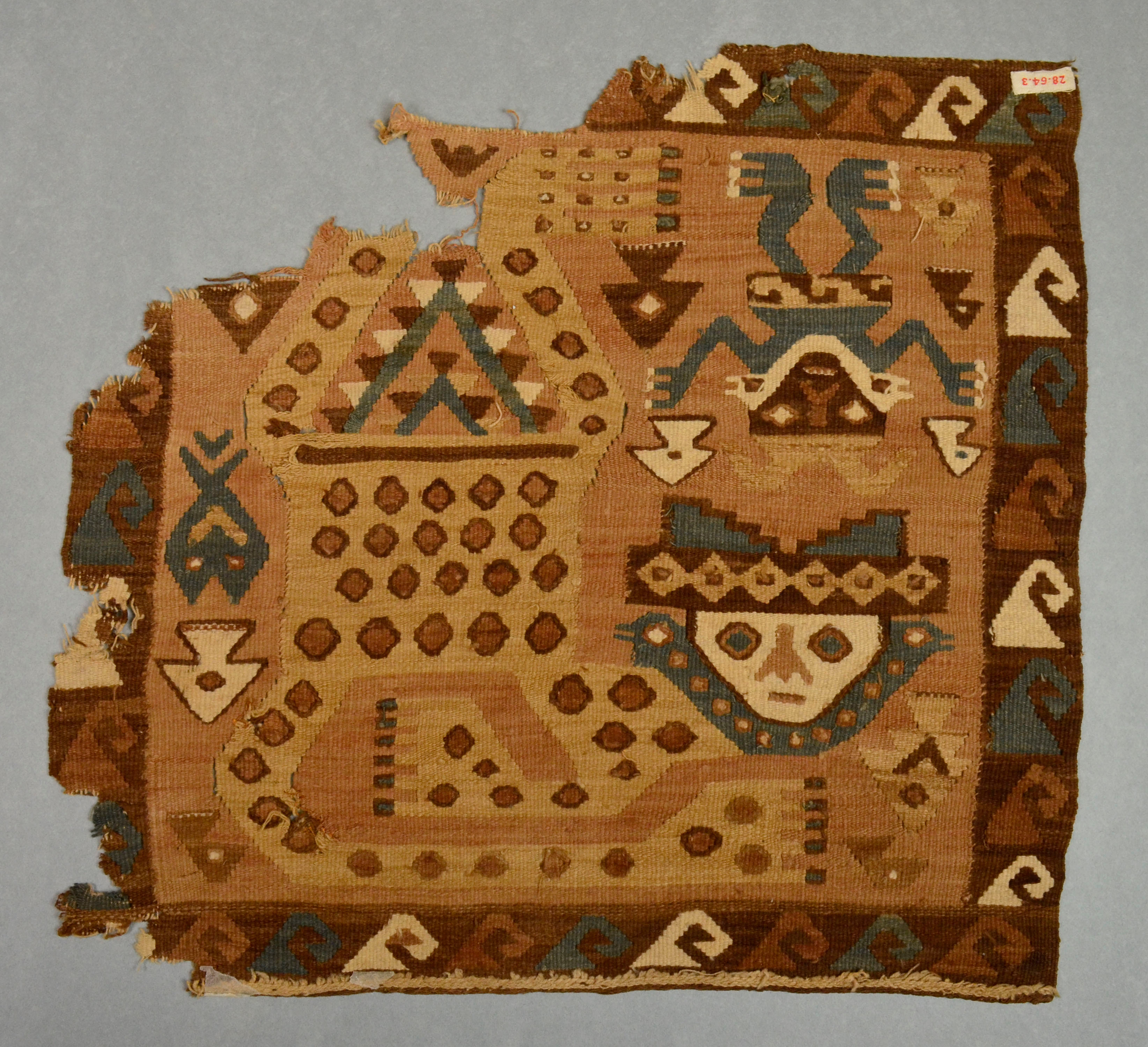
Heritage Analysis: Tapestry Panel with Spotted Cat (Chimú, Camelid Hair and Cotton)
Introduction: The Chimú Legacy in Luxury Material Culture
The Chimú civilization, flourishing along Peru’s northern coast from approximately 900 to 1470 CE, represents a pinnacle of pre-Columbian textile artistry. This Tapestry Panel with Spotted Cat, woven from camelid hair and cotton, exemplifies the sophisticated symbolic language and technical mastery that defined Chimú elite adornment. As a strategic standalone research subject for Katherine Fashion Lab, this artifact offers profound insights into how material culture encodes power, spirituality, and social hierarchy—insights directly translatable into a 2026 high-end luxury strategy. The panel’s enduring resonance lies not merely in its aesthetic appeal but in its capacity to communicate authority through the deliberate manipulation of fiber, color, and iconography.
Symbolic Power: The Spotted Cat as a Signifier of Dominion
The spotted cat—likely a representation of the jaguar or ocelot—holds central significance in Andean cosmology. For the Chimú, this feline was not a mere decorative motif but a potent emblem of terrestrial and supernatural power. The cat’s spotted pelt symbolized the night sky, linking the animal to celestial cycles, while its predatory nature embodied the ruler’s capacity to control both human and natural realms. In the tapestry panel, the cat is rendered with geometric precision, its spots arranged in rhythmic patterns that suggest order and predictability—qualities essential to Chimú governance. This visual language of controlled ferocity communicated that the wearer or owner possessed the authority to harness chaos into structure, a message as relevant to contemporary luxury branding as it was to ancient statecraft.
From a strategic perspective, the spotted cat motif aligns with the 2026 luxury trend toward “predatory elegance”—a design philosophy that marries raw power with refined execution. High-end consumers increasingly seek symbols of resilience and dominance, not as aggression but as statements of self-mastery. Katherine Fashion Lab can leverage this archetype by integrating feline imagery into limited-edition accessories or ready-to-wear pieces, using the Chimú precedent to authenticate the symbolism. The panel’s duality—beast and order, nature and civilization—provides a narrative framework for collections that assert confidence without ostentation.
Historical Adornment: Textiles as Armor and Identity
In Chimú society, textiles were not merely clothing; they were primary markers of status, lineage, and political allegiance. The Tapestry Panel with Spotted Cat would have been integrated into a larger garment—likely a tunic or mantle—worn by elite males during ceremonial and administrative functions. The use of camelid hair (from llamas or alpacas) signified access to high-altitude resources, while cotton provided a soft, breathable base. The combination of these materials created a fabric that was both durable and luxurious, capable of withstanding the coastal climate while projecting wealth.
Historical records and archaeological evidence indicate that Chimú weavers employed a technique known as interlocked tapestry weave, allowing for intricate color changes without visible slits. This technical sophistication parallels the modern luxury industry’s emphasis on craftsmanship and exclusivity. For Katherine Fashion Lab, this historical precedent underscores the importance of material provenance and artisanal process. A 2026 strategy could incorporate camelid fiber blends (e.g., alpaca and organic cotton) into a capsule collection, emphasizing the tactile experience and the story of indigenous craftsmanship. By positioning these textiles as “armor for the modern elite,” the brand can tap into the growing consumer desire for products that offer both aesthetic distinction and cultural depth.
Spiritual Meaning: The Tapestry as a Portal to the Divine
Beyond its social functions, the Chimú tapestry panel held profound spiritual significance. The spotted cat was often associated with shamanic transformation and the liminal space between worlds. Andean belief systems held that certain animals could traverse the boundaries of the earthly, celestial, and underworld realms. The cat, with its nocturnal vision and stealth, was seen as a guide for rulers and priests during rituals of divination and ancestor communication. The tapestry itself, woven with camelid hair—a material considered sacred due to the animal’s role in Andean cosmology—became a conduit for these spiritual forces.
This spiritual dimension offers Katherine Fashion Lab a powerful differentiator in the 2026 luxury market, where consumers increasingly seek meaningful consumption. The brand can position the tapestry’s imagery as a symbol of inner vision and protection, appealing to clients who view luxury as a tool for personal transformation. A strategic collaboration with contemporary artists or weavers from Peru could produce a limited series of scarves or shawls that reinterpret the spotted cat motif, each piece accompanied by a narrative card explaining its spiritual heritage. This approach not only honors the original context but also creates an emotional connection that transcends transactional value.
2026 High-End Luxury Strategy: Translating Heritage into Market Leadership
To operationalize these insights, Katherine Fashion Lab must adopt a three-pillar strategy for 2026: authenticity, exclusivity, and narrative integration.
Authenticity requires rigorous provenance research and ethical sourcing. The brand should partner with Peruvian textile cooperatives that preserve Chimú weaving techniques, ensuring that any reinterpretation respects the original cultural context. This collaboration can be marketed as a “living heritage” initiative, reinforcing the brand’s commitment to sustainability and cultural preservation.
Exclusivity will be achieved through limited production runs and bespoke services. Inspired by the Chimú practice of commissioning unique garments for specific individuals, Katherine Fashion Lab could offer made-to-order pieces featuring customized feline motifs. Each piece would be numbered and documented, creating a collectible ecosystem that mirrors the rarity of ancient artifacts.
Narrative integration involves weaving the tapestry’s story into every touchpoint—from product packaging to digital campaigns. The spotted cat becomes a brand mascot, appearing in visual storytelling that emphasizes themes of power, protection, and transcendence. A 2026 flagship collection, titled “The Chimú Code,” could include ready-to-wear, accessories, and home textiles, all drawing from the panel’s color palette (earthy browns, deep reds, and cream) and geometric motifs.
Conclusion: The Enduring Value of Symbolic Craft
The Chimú Tapestry Panel with Spotted Cat is far more than a historical artifact; it is a strategic blueprint for luxury brand differentiation. By decoding its symbolic power, historical adornment practices, and spiritual meaning, Katherine Fashion Lab can create a 2026 collection that resonates with discerning consumers on multiple levels—aesthetic, intellectual, and emotional. The panel reminds us that true luxury is not about excess but about the deliberate encoding of meaning into material form. For the modern elite, as for the Chimú nobility, what one wears is a statement of who one is—and who one aspires to become.