Heritage Analysis: The Chamber Organ as a Symbol of American Aristocratic Spirituality and Luxury Strategy
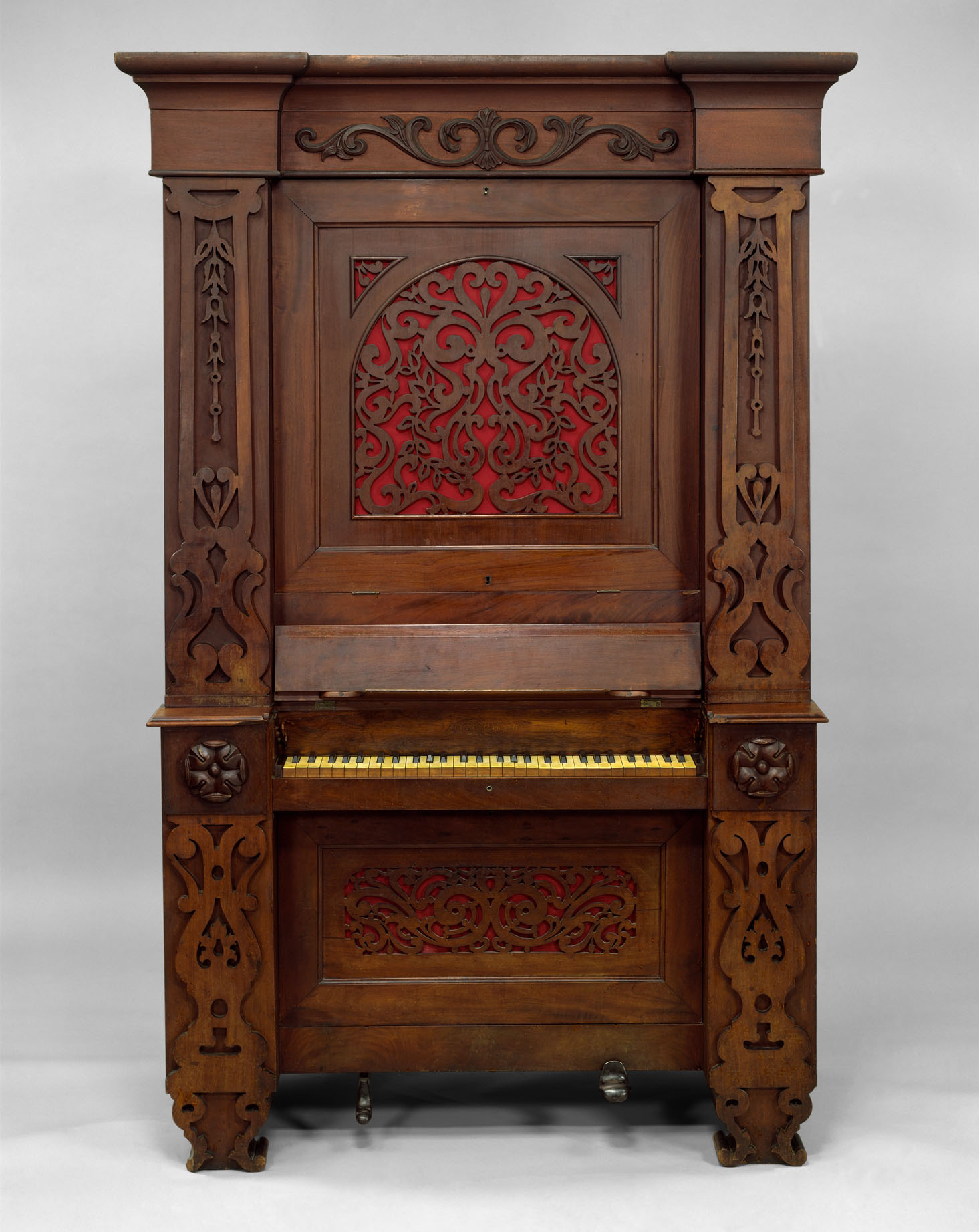
The chamber organ, a diminutive yet architecturally significant instrument of American origin, represents a unique convergence of historical adornment, spiritual meaning, and symbolic power. For Katherine Fashion Lab, this object offers a profound strategic lens through which to interpret the 2026 high-end luxury market. Unlike the grand pipe organs of cathedrals, the chamber organ was designed for the private spaces of the American elite—the drawing rooms, libraries, and chapels of the 19th and early 20th centuries. Its presence signified not merely wealth, but a cultivated sensibility that married domestic intimacy with transcendent aspiration. This analysis will deconstruct the chamber organ’s heritage to inform a luxury strategy rooted in quiet power, artisanal reverence, and spiritual resonance.
Symbolic Power: The Instrument of the American Patrician
The symbolic power of the chamber organ lies in its deliberate scale and exclusivity. In American culture, the organ has long been associated with institutional authority—the church, the concert hall, the university. To possess one for personal use was to claim a form of cultural and spiritual sovereignty. The chamber organ was not a tool for public performance but a private vehicle for contemplation, signaling that its owner commanded both material resources and intellectual depth. This duality—power expressed through privacy—is a crucial insight for luxury branding in 2026.
Power Through Restraint
Unlike the ostentatious display of gilded furniture or massive paintings, the chamber organ’s power was subtle. It required knowledge to appreciate its craftsmanship—the precision of its pipes, the richness of its wood, the complexity of its mechanism. This aligns with the emerging luxury paradigm of “quiet luxury” or “stealth wealth,” where value is not shouted but whispered. For Katherine Fashion Lab, the chamber organ suggests that true symbolic power in 2026 will derive from exclusivity of understanding rather than sheer visibility. A luxury garment or accessory should reward the connoisseur, not the casual observer.
Historical Adornment: Craftsmanship as a Narrative of American Ingenuity
The chamber organ’s medium—wood, metal, leather, ivory—represents a pinnacle of American decorative arts. Each instrument was a bespoke creation, often commissioned from master builders who integrated architectural elements, inlaid marquetry, and carved ornamentation. The adornment was not superfluous; it was integral to the instrument’s function and meaning. The wood, often mahogany, walnut, or oak, was chosen for both acoustic properties and visual warmth. The metal pipes were hand-soldered and voiced by ear, a process that required generations of tacit knowledge.
Material Integrity as Status
In the context of historical adornment, the chamber organ teaches that material integrity is the ultimate status marker. The use of solid, naturally aged materials—rather than veneers or synthetics—communicates permanence and respect for tradition. For a 2026 luxury strategy, this translates into a commitment to provenance and patina. Katherine Fashion Lab should consider collections that celebrate the natural aging of materials, where wear becomes a narrative of authenticity. The chamber organ’s adornment was not about novelty but about timelessness—a lesson for high-end fashion in an era of fast trends.
Spiritual Meaning: The Sacred in the Secular Home
The spiritual meaning of the chamber organ is perhaps its most resonant attribute. In the American context, the instrument bridged the gap between the public church and the private home. It allowed families to perform sacred music in domestic settings, transforming the parlor into a space of worship and reflection. This fusion of the sacred and the secular is a powerful metaphor for contemporary luxury consumers who seek meaning beyond material accumulation.
Ritual and Resonance
The chamber organ’s sound—its ability to produce sustained, resonant tones—evokes a sense of the eternal. It was used for hymns, chorales, and meditative pieces, creating a ritualistic atmosphere. For Katherine Fashion Lab, this suggests that luxury in 2026 should be designed to facilitate personal rituals. A garment or accessory should not just be worn; it should be part of a ceremony of self-care, confidence, or reflection. The spiritual dimension of the chamber organ reminds us that true luxury is not about distraction but about presence and depth.
2026 High-End Luxury Strategy: The Chamber Organ Paradigm
Translating the chamber organ’s heritage into a actionable strategy for Katherine Fashion Lab requires a framework that prioritizes intimacy, craftsmanship, and spiritual resonance. The 2026 luxury consumer is increasingly disillusioned with mass-produced opulence. They seek items that tell a story, that require cultivation to appreciate, and that offer a sense of transcendence. The chamber organ provides a blueprint for this new paradigm.
1. The “Private Collection” Model
Just as the chamber organ was built for private enjoyment, Katherine Fashion Lab should develop a “Private Collection” line that is not publicly advertised but available only by appointment or through invitation. This creates a sense of sacred access. Each piece would be numbered, documented with its materials and maker, and accompanied by a narrative of its creation—much like a chamber organ’s commissioning record.
2. Material Spirituality
Incorporate materials that carry spiritual weight: sustainably sourced hardwoods, hand-dyed silks, ethically sourced metals. The material itself becomes the message. For example, a garment lined with handwoven silk from a specific region could be positioned as a “vessel” for the wearer’s inner life. This mirrors how the chamber organ’s wood and metal were chosen to resonate with spiritual sound.
3. The “Resonance” Experience
Luxury retail spaces should be designed as chambers of resonance. Sound, light, and scent should be curated to evoke the feeling of a private chapel or drawing room. The chamber organ’s ability to fill a small space with profound sound suggests that the luxury experience should be intimate and immersive, not overwhelming. Katherine Fashion Lab could partner with sound artists or musicians to create bespoke acoustic environments for each collection launch.
4. Craftsmanship as Heritage
Emphasize the human hand in every piece. The chamber organ was built by artisans who spent years perfecting their craft. Similarly, Katherine Fashion Lab should highlight the individual artisans behind its products—their names, their techniques, their stories. This builds a narrative of living heritage that resonates with consumers seeking authenticity in an age of automation.
5. The Quiet Power of Patronage
Finally, the chamber organ’s legacy is one of patronage. The wealthy families who commissioned these instruments were not just consumers; they were patrons of art and culture. Katherine Fashion Lab should position its top-tier clients as “patrons of the house,” offering them exclusive access to limited-edition pieces, cultural events, and behind-the-scenes craftsmanship. This transforms the transaction into a relationship of mutual cultural investment.
Conclusion: The Eternal Resonance of the Chamber Organ
The chamber organ, though a historical artifact, speaks directly to the future of luxury. Its symbolic power lies in its quiet authority, its historical adornment in its material integrity, and its spiritual meaning in its ability to create sacred space. For Katherine Fashion Lab, the chamber organ is not merely an object of study but a strategic archetype. By embracing the principles of intimacy, craftsmanship, and spiritual resonance, the brand can position itself at the forefront of the 2026 luxury market—not as a purveyor of goods, but as a curator of meaning. The chamber organ’s music may have faded, but its resonance offers a timeless score for the future of high-end fashion.