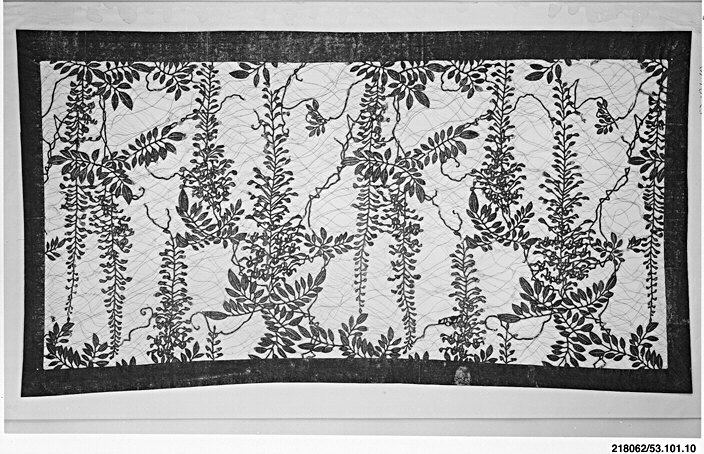
Heritage Analysis: The Japanese Stencil in Paper and Silk
Introduction: The Stencil as a Cultural Artifact
The Japanese stencil, or katagami, represents a pinnacle of pre-industrial design precision and symbolic communication. Originating in the Edo period (1603–1868), these hand-cut paper stencils were employed to apply intricate resist-dye patterns onto silk for kimono and obi. At Katherine Fashion Lab, we recognize the katagami not merely as a technical tool but as a strategic repository of symbolic power, historical adornment, and spiritual meaning. This analysis positions the katagami as a cornerstone for a 2026 high-end luxury strategy, where heritage authenticity meets contemporary brand narrative.
Symbolic Power: Geometry, Nature, and Social Code
The patterns cut into katagami—such as shippo (seven treasures), kiku (chrysanthemum), and asanoha (hemp leaf)—were never arbitrary. Each motif carried encoded messages of rank, virtue, and cosmic order. The chrysanthemum, for instance, symbolized longevity and imperial authority, while the hemp leaf represented growth and resilience. In Edo society, sumptuary laws restricted fabric patterns to specific classes, making the stencil a tool of both social distinction and silent rebellion. A merchant’s wife could wear a subtle asanoha pattern on her under-kimono to signify prosperity without violating dress codes.
For Katherine Fashion Lab, this symbolic layering offers a blueprint for modern luxury storytelling. In 2026, consumers seek more than aesthetics—they demand narrative depth. By reviving specific katagami motifs, we can embed cultural codes into garments that resonate with discerning clients. For example, the karakusa (arabesque vine) pattern, symbolizing eternity and continuity, can be reinterpreted in silk scarves or evening wear as a signature of enduring craftsmanship. The symbolic power lies not in the motif alone, but in the knowledge of its origin—a luxury that cannot be mass-produced.
Historical Adornment: The Art of Katazome
The stencil’s role in katazome (stencil-resist dyeing) transformed silk into a canvas for narrative adornment. Artisans cut intricate designs from multiple layers of washi (Japanese paper), treated with persimmon tannin to make them water-resistant. These stencils were then used with rice-paste resist to create crisp, repeating patterns on silk. The process required extraordinary patience: a single kimono could involve over 100 stencils, each aligned by hand. The result was a garment that adorned not only the body but the spirit, celebrating seasonal change, personal milestones, or clan identity.
Historically, katagami stencils were considered ephemeral treasures. After use, they were often discarded, their life limited to a single commission. This impermanence imbued the finished silk with a sense of precious temporality—a quality that aligns powerfully with modern luxury’s pivot toward limited editions and artisanal scarcity. For Katherine Fashion Lab, integrating katagami into a 2026 collection means honoring this tradition of deliberate ephemerality. We propose a capsule series where each silk piece is stenciled using a unique, hand-cut pattern, with the stencil itself offered as a collectible artifact alongside the garment. This dual-object strategy elevates adornment into art patronage.
Spiritual Meaning: Washi as a Conduit
In Shinto and Buddhist traditions, washi paper is considered a sacred material—a medium through which kami (spirits) can be invoked. Stencils, therefore, were not merely tools but ritual objects. The act of cutting a pattern was meditative, often performed by artisans who underwent purification rites. The stencil’s negative space—the cut-away areas—held spiritual significance, representing the void from which creation emerges. When applied to silk, the stencil transferred not just dye but intention.
This spiritual dimension offers a profound differentiation for high-end luxury in 2026. As the market moves beyond sustainability toward conscious consumption, clients seek objects imbued with meaning and ritual. Katherine Fashion Lab can position katagami-inspired pieces as talismanic adornments. For instance, a silk evening gown featuring the seigaiha (wave) pattern—symbolizing good fortune and resilience—can be marketed as a protective garment for the wearer’s journey. The spiritual narrative adds an intangible layer of value that cannot be replicated by fast fashion or digital design. We recommend collaborating with living katagami masters to create a blessed collection, where each stencil receives a Shinto blessing before cutting, emphasizing authenticity and reverence.
2026 High-End Luxury Strategy: Heritage as Competitive Advantage
Katherine Fashion Lab’s 2026 strategy must leverage the katagami’s unique intersection of craft, code, and spirit. The luxury consumer of 2026 is increasingly cultural connoisseur—educated, global, and skeptical of superficial heritage claims. To succeed, we propose a three-pillar approach:
1. Artisanal Co-Creation: Partner with certified katagami artisans in Kyoto and Ishikawa. Each stencil will be hand-cut from washi, using traditional techniques that date back four centuries. The designs will blend classic motifs (e.g., kiku) with subtle contemporary geometries, creating a bridge between past and future. The stencil itself will be signed and numbered, offered as a limited-edition artwork with the finished silk garment.
2. Narrative-Driven Product Architecture: The collection will be structured around three symbolic themes: Protection (asanoha patterns), Prosperity (shippo motifs), and Transformation (seigaiha waves). Each piece will include a story card explaining the motif’s meaning, historical context, and spiritual significance. This transforms the purchase into a cultural acquisition, not merely a fashion item.
3. Experiential Luxury: Offer clients a bespoke katagami workshop at Katherine Fashion Lab’s flagship atelier. Under the guidance of a master artisan, clients can co-design a personal stencil and observe its application on silk. The experience culminates in a private blessing ceremony, where the garment is consecrated. This ritualized purchase commands premium pricing and fosters deep brand loyalty.
Conclusion: The Stencil as Strategic Heritage Asset
The Japanese katagami stencil is far more than a historical technique—it is a strategic heritage asset for Katherine Fashion Lab. Its symbolic power offers narrative depth, its historical adornment provides artisanal authenticity, and its spiritual meaning delivers emotional resonance. For 2026, we recommend positioning the katagami as the foundational motif of a limited luxury line that honors tradition while speaking to contemporary desires for meaning, craftsmanship, and exclusivity. By treating the stencil not as a pattern but as a philosophy of making, Katherine Fashion Lab can define a new standard for heritage-driven luxury in the global marketplace.