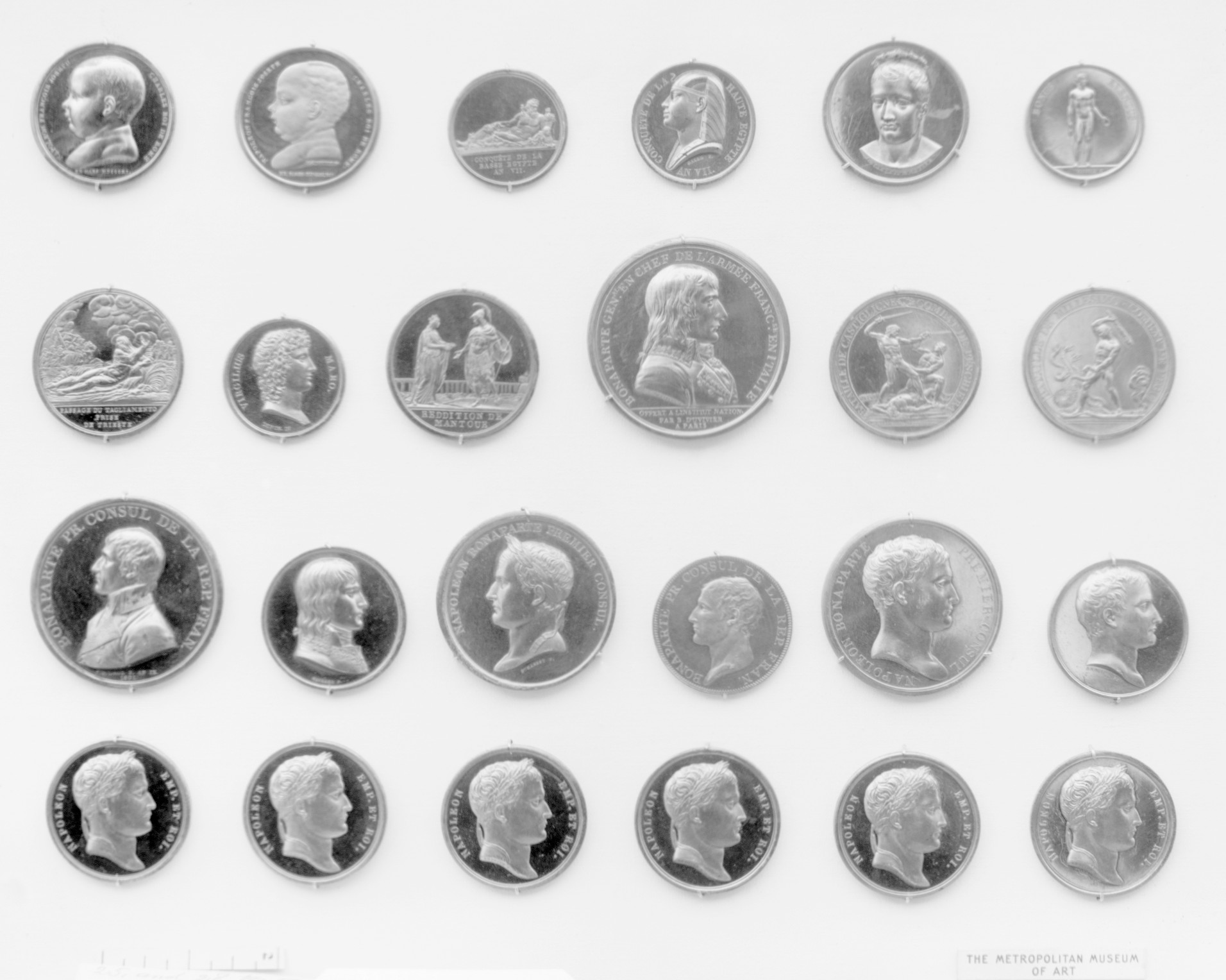
Heritage Analysis: The Birth of the King of Rome (1811) – Gilt Bronze Medal
As Lead Heritage Curator for Katherine Fashion Lab, this analysis examines the 1811 gilt bronze medal commemorating the Birth of the King of Rome—Napoleon II, son of Napoleon Bonaparte and Empress Marie Louise. Struck in a medium of gilt bronze, this artifact embodies a fusion of imperial ambition and classical symbolism. Our research situates this piece within an ancient civilization context, drawing parallels to Roman imperial iconography, while extracting insights for a 2026 high-end luxury strategy. The medal’s symbolic power, historical adornment, and spiritual meaning offer a blueprint for heritage-driven brand positioning.
Symbolic Power: The Imperial Narrative in Miniature
The medal’s symbolic power is rooted in its function as a propaganda instrument for the Napoleonic dynasty. The obverse typically features a portrait of Napoleon II as an infant, crowned with laurels—a direct reference to Roman imperial triumph. The reverse often depicts allegorical figures such as Victory or Fame, echoing ancient Roman coinage that celebrated the genius of the emperor. In ancient civilizations, particularly Rome and Greece, struck metal objects were not mere currency but vehicles of state ideology. The gilt bronze medium amplifies this: gold, as a symbol of divinity and eternal power, was reserved for gods and emperors. The gilding process—applying a thin layer of gold to bronze—mirrors the ancient practice of chrysography, where sacred texts and imperial images were rendered in gold to signify transcendence.
For Katherine Fashion Lab, this symbolic power translates into a design philosophy of controlled narrative. In 2026, high-end luxury brands must own their origin stories with the same precision as Napoleon’s mint. The medal teaches us that material choice is a declarative act: gilt bronze suggests both strength (bronze) and preciousness (gold). A luxury strategy can adopt this by using hybrid materials—for instance, combining heritage metals with modern composites to signal durability and exclusivity. The medal’s small scale (typically 30-40 mm) also emphasizes intimacy as power; a limited-edition piece, like a miniature sculpture, invites close inspection and personal connection, a tactic ideal for bespoke jewelry or accessory lines.
Historical Adornment: The Body as a Political Canvas
In ancient civilizations, medals like this were not solely collected; they were worn as adornment. Roman patricians pinned contorniates—large bronze medallions—to their togas during ceremonies, transforming the body into a mobile monument. The Birth of the King of Rome medal, struck in 1811, continues this tradition. It was likely intended for presentation to dignitaries, who would display it as a badge of loyalty. The gilt bronze surface catches light, drawing the eye—a deliberate strategy to command attention in courtly settings. Historically, adornment served dual purposes: personal embellishment and political allegiance. The medal’s weight and metallic sheen made it a tactile reminder of imperial presence.
Katherine Fashion Lab can leverage this by reimagining the medal as wearable heritage. In 2026, the trend toward meaningful minimalism aligns with the medal’s compact form. A collection of gilt bronze pendants or cufflinks inspired by historical medals—each with a unique narrative—could appeal to clients seeking curated identity. The key is authenticity of provenance: each piece must be accompanied by a digital heritage passport detailing its symbolic lineage. This transforms adornment from mere decoration into a conversational artifact, much like the original medal’s role in Napoleonic diplomacy. Additionally, the patina of age—the natural darkening of bronze beneath gold—can be replicated through controlled oxidation, offering a vintage aesthetic that signals timelessness.
Spiritual Meaning: The Divine Right of Kings
The spiritual meaning of this medal is deeply embedded in the concept of divine kingship. Ancient civilizations, from Egypt to Rome, believed rulers were chosen by the gods. The Birth of the King of Rome medal invokes this by depicting the infant as a semi-divine figure. The laurel crown, a symbol of Apollo, suggests prophetic destiny. The gilding itself carries spiritual weight: in alchemical tradition, gold represented the perfected soul. By gilding bronze—a base metal—the medal symbolically elevates the mundane to the sacred. This reflects the Napoleonic ambition to legitimize his dynasty through ritualized iconography, blending Christian coronation rites with pagan Roman imagery.
For a 2026 luxury strategy, spiritual meaning must be secular yet profound. Modern high-end consumers seek transcendence through objects—items that connect them to a larger narrative. Katherine Fashion Lab can develop a “Sacred Line” of products that draw on archetypal symbols (laurels, stars, eagles) rendered in gilt bronze or gold-plated silver. The spiritual dimension lies in ritualistic packaging and presentation: a velvet-lined case, a handwritten certificate, and a symbolic numbering system (e.g., 1811 pieces for the birth year). This transforms the purchase into a rite of passage, echoing the medal’s original purpose as a talisman of legitimacy. Furthermore, the duality of materials—gilt over bronze—can be marketed as a metaphor for inner transformation: the human (bronze) aspiring to the divine (gold).
2026 High-End Luxury Strategy: Heritage as Currency
Based on this analysis, Katherine Fashion Lab’s 2026 strategy must position the brand as a curator of historical power. The Birth of the King of Rome medal offers three strategic pillars:
1. Narrative-Driven Exclusivity: The medal’s limited mintage (likely under 1,000 pieces) mirrors modern drop culture. In 2026, launch a “Heritage Capsule” of 1,811 pieces (referencing the year), each numbered and accompanied by a metaverse provenance token. Use augmented reality to allow clients to “unlock” the medal’s history—showing its original strike in Paris or its symbolic connections to Roman emperors. This creates a phygital experience that bridges ancient craft and digital luxury.
2. Material as Message: Gilt bronze should become a signature medium for the brand. Develop a proprietary “Imperial Gilt” finish that mimics the medal’s warm gold tone with a matte bronze base. This can be applied to hardware, jewelry, and even fragrance bottles. The material’s tactile weight—heavy yet refined—signals quality. In marketing, emphasize the craftsmanship of gilding: a 12-step process involving hand-applied gold leaf and controlled patination. This aligns with the 2026 consumer demand for artisanal transparency.
3. Spiritual Resonance in Retail: The medal’s spiritual meaning can be translated into immersive retail environments. Design flagship stores as “Temples of Heritage” with bronze and gold-leaf interiors, echoing the medal’s aesthetic. Offer private viewing rituals where clients hold a replica of the medal while learning its symbolism. This experiential luxury creates emotional bonds, turning a purchase into a personal coronation. Additionally, partner with art historians and conservators to host curated talks on the power of historical adornment, positioning Katherine Fashion Lab as a thought leader in heritage luxury.
Conclusion: The Medal as a Mirror for Modern Luxury
The 1811 gilt bronze medal commemorating the Birth of the King of Rome is more than a historical artifact; it is a strategic blueprint for high-end luxury in 2026. Its symbolic power teaches us to own our narrative through material and form. Its historical adornment reminds us that the body is a canvas for identity. Its spiritual meaning validates the human desire for objects that transcend time. For Katherine Fashion Lab, this analysis confirms that heritage is not static—it is a living currency that, when struck with intention, can elevate a brand from luxury to legacy. By adopting the medal’s principles of controlled iconography, material authenticity, and ritualistic presentation, the brand can capture the imagination of a 2026 audience seeking meaning in the midst of modernity.