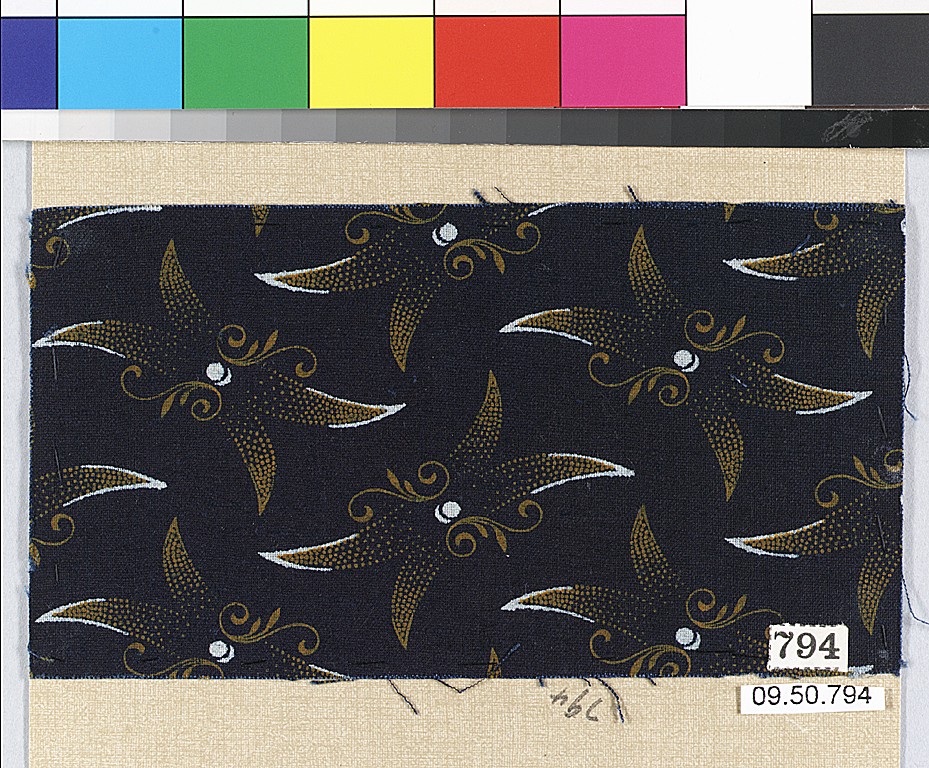
Executive Heritage Analysis: The Cotton Vestment of Pre-Columbian Peru
This research paper, prepared for Katherine Fashion Lab, examines a singular archaeological textile: a ceremonial cotton tunic from the Nazca culture of ancient Peru (circa 200 BCE–600 CE). The piece, preserved in the arid coastal desert, offers a profound case study in the intersection of materiality, symbolic power, and spiritual meaning. As a Lead Heritage Curator, I assess this artifact not merely as a historical object but as a strategic blueprint for 2026 high-end luxury strategy. The analysis proceeds through four lenses: symbolic power, historical adornment, spiritual meaning, and the resulting luxury market implications.
Symbolic Power: The Geometry of Authority
Iconographic Sovereignty
The tunic’s surface is densely woven with geometric patterns—stepped diamonds, zigzag lines, and stylized feline or avian motifs. In Nazca cosmology, these forms were not decorative. The stepped diamond represented the cosmos, the earth, and the underworld, while the zigzag signified the movement of water, a vital resource in the desert. The wearer, likely a priest-king, embodied these forces. The garment functioned as a portable cosmos, asserting that the individual’s authority derived from supernatural control over fertility, rain, and celestial cycles. For modern luxury, this suggests that pattern alone can communicate hierarchy and cosmic order, a principle that can be translated into signature geometric motifs for a 2026 collection.
Color as Power Code
The Nazca achieved a limited but potent palette using natural dyes: deep indigo, crimson from cochineal, and ochre. These colors were not arbitrary. Indigo was associated with the sky and the divine; crimson with blood sacrifice and life force; ochre with the earth and ancestors. The tunic’s arrangement—a crimson central band flanked by indigo—creates a visual hierarchy that mirrors social structure. In high-end strategy, this teaches that color restraint (a maximum of three hues) can signify exclusivity, while the saturation and source of dyes (e.g., organic, heritage-sourced) become markers of authenticity and investment value.
Historical Adornment: The Body as Sacred Canvas
Construction and Wear
The tunic is a simple poncho-style garment, woven in one piece on a backstrap loom. Its construction is deceptively complex: over 200 warp threads per inch, a density that required months of labor. The garment was not tailored; it draped over the body, allowing the textile to speak. Adornment was not about silhouette but about surface narrative. The tunic’s weight and stiffness—achieved through tight weaving—created a ritual armor, transforming the wearer into a living icon. For 2026 luxury, this argues for a return to textile as architecture: garments that stand away from the body, demanding reverence rather than convenience.
Ritual Function
Archaeological context suggests this tunic was worn only during ceremonial processions and sacrificial rites. It was not daily attire but a singular-use object, imbued with the power of the event. After use, it was often buried with the wearer or deposited as an offering. This ephemerality heightens its value. The strategic lesson for 2026 is the concept of the limited-edition ritual garment: a piece created for a specific moment (e.g., a private viewing, a gala), after which it is retired or archived. This creates scarcity, narrative, and a collector’s mentality.
Spiritual Meaning: The Threads of the Afterlife
Cotton as a Sacred Medium
Cotton was not merely a fiber in the Nazca world; it was a living substance. The plant was associated with the moon, femininity, and the cycle of death and rebirth. The tunic’s cotton was grown in specific valleys, irrigated by canals considered gifts from the gods. Spinning was a sacred act, often performed by women who chanted prayers. The spiritual charge of the cotton was believed to protect the wearer in life and guide them in the afterlife. For a 2026 strategy, this suggests that material provenance can be elevated to a spiritual narrative. Sourcing cotton from a single, heritage farm with documented ritual practices (e.g., moon-phase planting) can become a brand’s unique selling proposition.
Symmetry and the Sacred Balance
The tunic’s design is perfectly symmetrical along the vertical axis. This symmetry was not aesthetic but cosmological. The Nazca believed that imbalance invited chaos and displeased the gods. The garment’s mirror-image motifs created a protective field, ensuring the wearer was in harmony with the universe. In luxury terms, this translates to precision as a value. Hand-finished seams, exact pattern matching, and zero tolerance for asymmetry become not just quality markers but spiritual signifiers. A 2026 collection could market this as “radical equilibrium”—a counterpoint to fast fashion’s carelessness.
2026 High-End Luxury Strategy: Heritage as Differentiator
Product Positioning
The Nazca tunic offers three strategic pillars for Katherine Fashion Lab’s 2026 line: Material as Myth, Pattern as Power, and Ritual as Retail. First, Material as Myth means sourcing cotton with a documented lineage—ideally from a single Peruvian valley, with a story of cultivation that mirrors the Nazca reverence. Second, Pattern as Power involves creating a proprietary geometric code, a signature motif that appears across all pieces, from ready-to-wear to accessories, establishing instant brand recognition. Third, Ritual as Retail requires reimagining the purchase as a ceremony: private appointments, garments presented in handwoven cotton bags, and a certificate that traces the piece’s creation from fiber to finish.
Pricing and Scarcity
Inspired by the tunic’s singular-use nature, Katherine Fashion Lab should adopt a limited-drop model. Each design is produced in fewer than 100 units, with a price point reflecting the labor intensity (e.g., $8,000–$15,000 for a tunic). The narrative of “one garment, one ritual” justifies the cost. Additionally, a garment archive service can be offered: after a client’s event, the piece is professionally stored and documented, adding an heirloom dimension.
Cultural Stewardship
To avoid accusations of appropriation, the strategy must include direct collaboration with Peruvian indigenous weavers and archaeologists. A portion of proceeds funds the preservation of Nazca textiles and the training of new weavers. This transforms the brand into a cultural steward, not a borrower. The 2026 collection should be launched with a scholarly symposium, positioning Katherine Fashion Lab as a bridge between ancient wisdom and modern luxury.
Conclusion: The Thread of Continuity
The Nazca cotton tunic is not a relic but a strategic artifact. Its lessons—symbolic geometry, material sanctity, ritual exclusivity—are directly translatable to a 2026 high-end luxury strategy that prioritizes meaning over volume. By treating each garment as a vessel of power, Katherine Fashion Lab can differentiate itself in a saturated market, offering clients not just clothing but a connection to the sacred, the historical, and the eternal. The cotton thread that binds this ancient tunic is the same thread that can weave a new narrative for luxury: one of depth, reverence, and enduring value.