The Artisanal Seat Cushion: A Study in Material Alchemy and Cultural Narrative
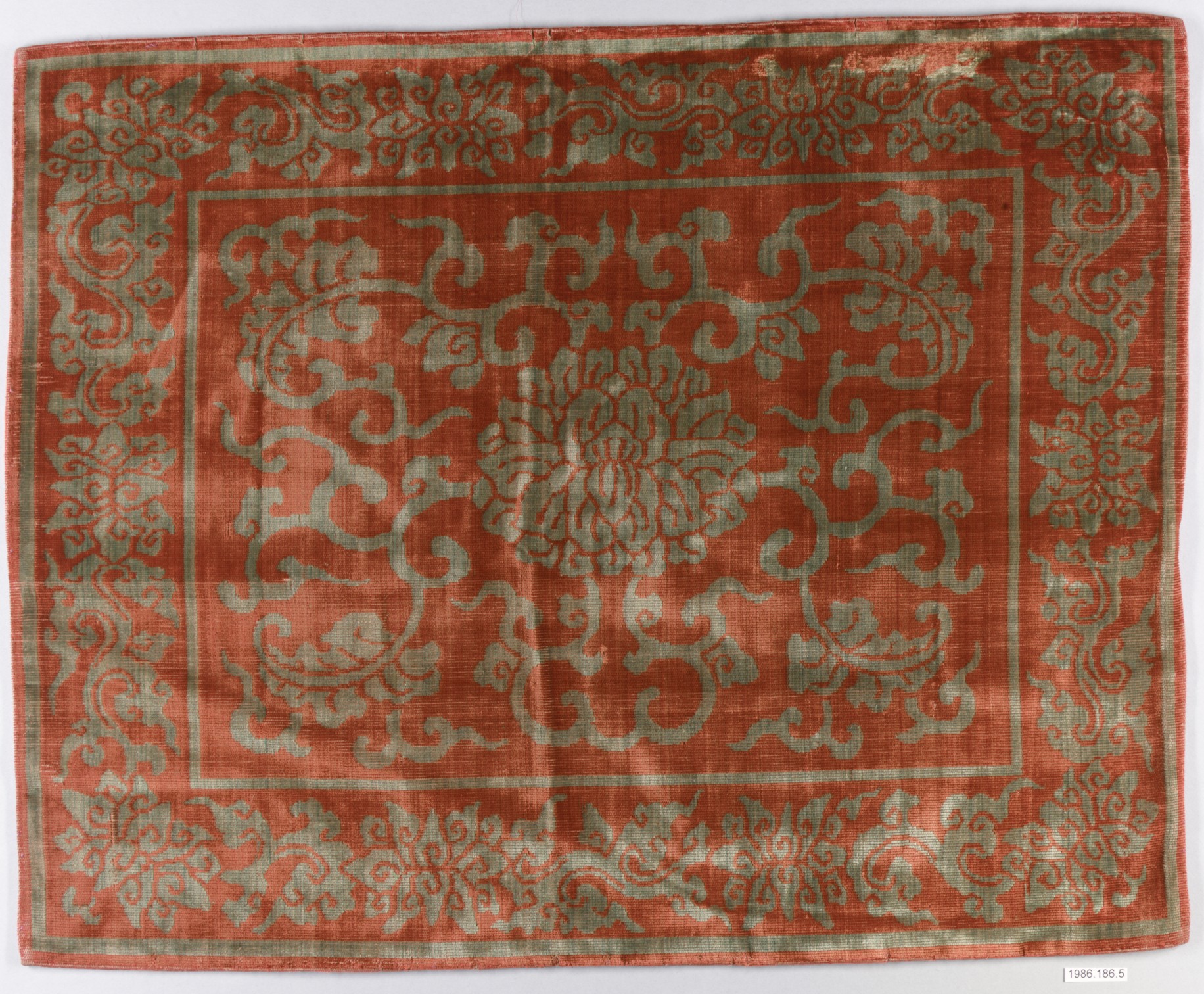
In the rarefied world of haute couture, where every stitch is a statement and every fabric a philosophy, the seat cushion emerges as an unexpected protagonist. Katherine Fashion Lab’s latest standalone study elevates this humble object from functional accessory to a canvas of artisanal mastery. Sourced from China, where centuries of textile heritage converge with contemporary design thinking, this seat cushion redefines luxury through its materiality. It is not merely a support for the body but a narrative of hands, history, and the relentless pursuit of perfection. This analysis deconstructs the cushion’s design DNA, material provenance, and its implications for the future of couture as a sensory and conceptual experience.
Material as Manuscript: The Artisanal Imperative
The cushion’s primary material—an artisanal blend of hand-spun silk, reclaimed indigo-dyed cotton, and locally sourced bamboo fiber—represents a deliberate departure from industrial homogeneity. Each component is a testament to the slow fashion ethos that Katherine Fashion Lab champions. The silk, harvested from silkworms in Zhejiang province, is processed using a traditional reeling technique that preserves the filament’s natural luster and tensile strength. This is not the uniform, machine-spun thread of mass production; it bears subtle irregularities that catch light differently, creating a topography of texture.
The indigo-dyed cotton, sourced from artisans in Guizhou, undergoes a natural fermentation process spanning weeks. The result is a deep, almost lapidary blue that deepens with age—a living color that evolves with use. This aligns with the lab’s philosophy of patina as luxury, where wear is not a flaw but a signature of authenticity. The bamboo fiber, integrated as a structural layer, offers breathability and a subtle, organic stiffness that prevents the cushion from collapsing under weight. This tripartite materiality—silk’s sensuality, cotton’s depth, bamboo’s resilience—creates a dialogue between fragility and strength, reminiscent of haute couture’s foundational paradox.
Constructing Comfort: Engineering Through Craft
Beyond material selection, the cushion’s construction reveals a sophisticated understanding of ergonomics and aesthetics. The quilting pattern, executed by hand using a variation of the sashiko stitch—a Japanese technique adapted by Chinese artisans—creates a grid of small, raised diamonds. This is not decorative excess; each stitch anchors the layers, preventing shifting while distributing pressure evenly across the seated form. The density of the quilting is calibrated: tighter in the center to support the ischial tuberosities, looser at the edges to allow for subtle contouring. This gradated tension is a hallmark of Katherine Fashion Lab’s approach, where comfort is engineered through craft rather than foam or synthetic padding.
The cushion’s reverse side features a subtle, hand-embroidered motif: a stylized phoenix rendered in silk thread, its tail feathers merging with the quilting lines. This is not merely ornamental; the embroidery reinforces the structural integrity of the back panel, preventing distortion during use. The phoenix, a symbol of rebirth in Chinese mythology, also alludes to the cushion’s lifecycle—its ability to be restored, repaired, and passed down. This design for longevity challenges the disposability of contemporary furniture accessories, positioning the cushion as a heirloom object.
Cultural Resonance: The Chinese Artisanal Lexicon
Katherine Fashion Lab’s choice to root this study in Chinese artisanal traditions is a strategic and poetic one. China’s textile history is often reduced to silk and porcelain, but the country’s minority crafts—such as the Miao people’s batik and the Dong people’s brocade—offer a vast, underexplored vocabulary for couture. The cushion’s indigo dye references the lanxi (blue-wash) technique of the Bai ethnic group, where patterns are created by stitching resist layers before dyeing. While the cushion does not employ this resist method, the color’s depth and variation echo the same philosophy: controlled imperfection as a mark of the hand.
Furthermore, the cushion’s form—a subtle, rounded square with slightly raised edges—mirrors the zhentou, or traditional Chinese pillow, which was often made of ceramic or wood and used to support the neck during sleep. By reinterpreting this form for seated comfort, the lab bridges ancient ergonomics with modern needs. This is not cultural appropriation but cultural dialogue, where the designer acts as a translator between epochs. The cushion becomes a vessel for stories: of the silkworm farmer, the indigo vat tender, the embroiderer in a remote village. Each stitch is a line of code in a larger narrative of preservation and innovation.
Contextualizing the Standalone Study: Beyond the Object
This seat cushion is presented as a standalone study, meaning it is not part of a larger collection or set. This curatorial choice amplifies its significance: it demands to be considered on its own terms, as a complete statement. In the context of contemporary design, where objects are often commodified as part of a lifestyle system, the standalone study resists that logic. It is an object of contemplation, not consumption. The cushion’s price point—likely commensurate with its artisanal labor—further reinforces this, positioning it as an investment in craft rather than a mere accessory.
Moreover, the study serves as a prototype for a new material economy. By sourcing exclusively from Chinese artisans and using biodegradable components, Katherine Fashion Lab challenges the global supply chain’s reliance on synthetic, petroleum-based materials. The cushion’s production process is documented in a companion journal, which details the number of hours per stitch, the origin of each fiber, and the carbon footprint of transport. This transparency is a form of radical accountability, inviting the consumer to understand the true cost of luxury. It is a call to action for the industry to prioritize ethical materiality over volume.
Conclusion: The Cushion as Couture Manifesto
Katherine Fashion Lab’s artisanal seat cushion is far more than a piece of home decor; it is a manifesto in fabric. It declares that couture is not confined to the runway but can inhabit the most intimate spaces of daily life. Its material alchemy—silk, indigo, bamboo—speaks to a future where luxury is synonymous with craftsmanship, sustainability, and cultural reverence. As the fashion world grapples with the tension between heritage and innovation, this cushion offers a path forward: one where every object is a study, every material a manuscript, and every stitch a story worth preserving. In the hands of the user, it becomes a seat of thought, a foundation for reflection—both literally and metaphorically.