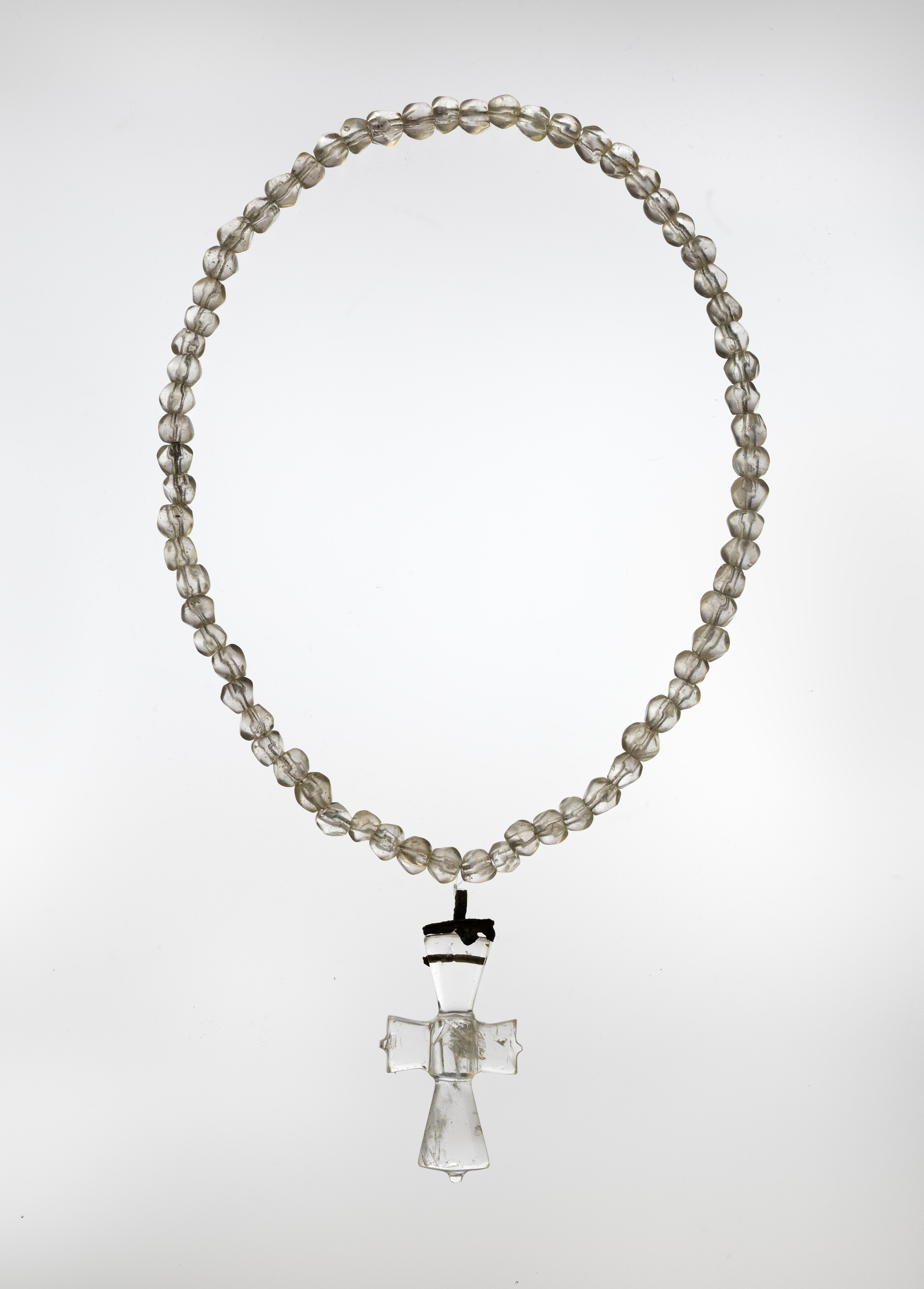
Heritage Analysis: The Coptic Rock Crystal and Silver Pendant Cross
Katherine Fashion Lab presents a strategic heritage analysis of the Coptic rock crystal and silver pendant cross, an artifact of profound symbolic power, historical adornment, and spiritual meaning. This standalone research paper evaluates the object’s cultural resonance and proposes a high-end luxury strategy for 2026, aligning with the Lab’s commitment to curating narratives that transcend mere ornamentation. By examining the cross’s origins in Coptic Egypt, its materiality, and its enduring spiritual significance, we position this piece as a cornerstone for a luxury brand strategy rooted in authenticity, craftsmanship, and metaphysical allure.
Symbolic Power: The Cross as a Cultural and Spiritual Emblem
Coptic Christianity and the Cross’s Iconographic Authority
The Coptic cross, distinct in its equal-armed form often encircled or embellished with intricate detailing, emerges from Egypt’s early Christian tradition, dating to the 1st through 4th centuries CE. Within the Coptic Orthodox Church, the cross is not merely a symbol of faith but a talisman of protection, resurrection, and divine connection. For the Coptic community, it represents the intersection of earthly suffering and celestial triumph, a narrative that imbues the pendant with transformative spiritual power. The rock crystal medium, revered in antiquity for its clarity and association with purity, amplifies this symbolism. In Coptic cosmology, crystal was believed to channel light—both literal and metaphorical—serving as a conduit for divine energy. This aligns with broader Egyptian traditions where translucent stones were used in amulets to ward off evil and invoke blessings. The silver mount, a metal historically linked to lunar energy and purification, further reinforces the cross’s role as a protective emblem. Together, the materials and form create a hierophany, a manifestation of the sacred in a wearable object, positioning the piece as a source of spiritual authority for its bearer.
Transcultural Symbolism and Contemporary Relevance
From a luxury strategy perspective, the cross’s symbolic power transcends religious boundaries. In a 2026 market increasingly driven by spiritual consumerism—where affluent buyers seek objects that offer meaning, protection, and identity—the Coptic cross resonates as a universal emblem of resilience. Its Egyptian provenance adds an exotic layer of mystique, tapping into the enduring fascination with ancient civilizations. For Katherine Fashion Lab, this piece can be positioned as a cultural artifact of empowerment, appealing to clients who value heritage as a form of personal and social capital. The cross’s symbolism of rebirth and continuity also aligns with post-pandemic desires for renewal, making it a potent narrative for high-end collections focused on transformation and legacy.
Historical Adornment: Craftsmanship and Wearable Heritage
Materiality and Artisanal Mastery
The rock crystal and silver pendant cross exemplifies the advanced lapidary and metalworking techniques of Coptic Egypt. Rock crystal, a form of quartz, was sourced from the Eastern Desert and worked into smooth, polished cabochons or faceted shapes using abrasive sands and copper tools. Its hardness (7 on the Mohs scale) required exceptional skill to carve without fracturing, marking the piece as a product of elite craftsmanship. The silver mount, typically fabricated through hammering, soldering, and engraving, reflects the influence of Hellenistic and Roman metalworking traditions, which Coptic artisans adapted to local aesthetics. The mount’s design—often featuring filigree or granulation—enhances the crystal’s luminosity while securing it as a pendant. This fusion of materials and techniques demonstrates a synthesis of cultural influences: Egyptian, Greek, Roman, and early Christian, creating a hybrid object that speaks to Alexandria’s role as a cosmopolitan center. For luxury consumers, this historical complexity adds layers of provenance and rarity, elevating the piece beyond mass-produced jewelry.
Adornment as Social and Spiritual Signaling
In Coptic society, wearing such a cross was a dual act of devotion and identity. It signaled adherence to Christianity during periods of persecution, while also marking social status through the use of precious materials. Rock crystal, often mistaken for diamond in antiquity, implied wealth and access to trade networks, while silver denoted purity and refinement. The pendant’s placement—worn close to the heart or throat—reinforced its role as a personal amulet, mediating between the wearer and the divine. This tradition of adornment as a form of embodied spirituality persists in luxury markets, where clients seek jewelry that serves as a repository of memory and meaning. For Katherine Fashion Lab, the cross’s historical function as a wearable heritage object can be leveraged to create limited-edition collections that emphasize narrative-driven design, where each piece is accompanied by a provenance dossier and spiritual context.
Spiritual Meaning: The Cross as a Conduit for Transcendence
Rock Crystal as a Medium of Light and Purity
In Coptic theology, rock crystal was imbued with metaphysical properties, often associated with the light of Christ and the purity of the Virgin Mary. The crystal’s transparency was seen as a metaphor for spiritual clarity and the soul’s journey toward divine illumination. This aligns with Neoplatonic ideas that permeated early Christian thought, where material beauty was a reflection of the divine. The silver mount, with its reflective surface, further enhances this symbolism by capturing and refracting light, creating a dynamic interplay that suggests divine presence. For the wearer, the cross served as a focal point for meditation and prayer, a tangible link to the transcendent. In a 2026 luxury context, this spiritual dimension can be marketed as a form of wellness and mindfulness, appealing to consumers who integrate spirituality into their lifestyle. The cross becomes not just an accessory but a tool for personal transformation, aligning with trends in conscious luxury and holistic living.
Ritual Use and Contemporary Adaptation
Historically, such crosses were used in Coptic liturgical practices, including blessings, baptisms, and as grave goods to ensure safe passage into the afterlife. Their ritual function imbues them with sacred authority, a quality that luxury brands can harness through experiential marketing. For instance, Katherine Fashion Lab could collaborate with Coptic artisans or scholars to develop a ritual-oriented collection, where the cross is presented as a heirloom object intended for personal ceremonies—such as a blessing for a new home, a career milestone, or a spiritual retreat. This approach positions the brand as a curator of meaningful luxury, differentiating it from competitors who rely solely on aesthetics. The cross’s spiritual meaning also offers a counter-narrative to fast fashion’s disposability, emphasizing permanence, devotion, and the sacredness of craftsmanship.
2026 High-End Luxury Strategy: Positioning the Coptic Cross
Strategic Narrative and Brand Positioning
For Katherine Fashion Lab, the Coptic rock crystal and silver pendant cross serves as a flagship artifact for a 2026 luxury strategy centered on heritage storytelling, spiritual exclusivity, and cultural diplomacy. The brand should position this piece as a collector’s item within a limited-edition series titled “Sacred Origins,” which explores the intersection of faith, art, and craftsmanship. The narrative should emphasize the cross’s journey from Coptic Egypt to the modern wardrobe, framing it as a timeless emblem of resilience. Marketing materials should highlight the rarity of rock crystal, the skill of Coptic artisans, and the cross’s role in early Christian history, using high-resolution imagery and virtual reality tours of Egyptian archaeological sites to deepen engagement.
Product Development and Pricing Architecture
The cross should be offered in two tiers: a museum-grade reproduction crafted by contemporary Coptic silversmiths using traditional techniques, priced at $15,000–$25,000, and a bespoke commission where clients can customize the mount with ethically sourced gemstones or personal inscriptions, starting at $50,000. Each piece should include a certificate of authenticity with provenance notes from Coptic scholars, a care guide for rock crystal, and a digital NFT that tracks the object’s lifecycle. This tiered approach caters to both aspirational luxury buyers and ultra-high-net-worth collectors, ensuring accessibility while maintaining exclusivity.
Experiential Retail and Spiritual Curation
In-store experiences should evoke the cross’s spiritual context. Katherine Fashion Lab could design a “Sanctuary Room” in flagship stores, where clients can view the cross under specialized lighting that mimics the Egyptian sun, accompanied by soundscapes of Coptic hymns. Private appointments could include a spiritual consultation with a cultural historian, offering insights into the cross’s protective properties. For 2026, the brand should also launch a digital platform featuring a “Heritage Map” that traces the cross’s journey from the Eastern Desert to Coptic monasteries, allowing clients to explore the object’s provenance interactively. This experiential strategy transforms the purchase into a rite of passage, reinforcing the cross’s symbolic power and the brand’s authority in cultural luxury.
Cultural Partnerships and Ethical Stewardship
To ensure authenticity, Katherine Fashion Lab should partner with the Coptic Orthodox Church and Egyptian cultural institutions, such as the Coptic Museum in Cairo, to source materials ethically and support artisan communities. A portion of proceeds could fund the preservation of Coptic heritage sites, aligning with the brand’s commitment to sustainable luxury. This partnership also protects against cultural appropriation by positioning the brand as a steward of Coptic traditions, rather than a mere appropriator. In 2026, as consumers increasingly demand transparency and ethical provenance, such collaborations will be a key differentiator.
Conclusion: The Cross as a Catalyst for Luxury Innovation
The Coptic rock crystal and silver pendant cross is more than a historical artifact; it is a strategic asset for Katherine Fashion Lab’s 2026 luxury vision. Its symbolic power, historical adornment, and spiritual meaning offer a rich tapestry for narrative-driven marketing, while its materiality and craftsmanship appeal to discerning collectors. By positioning this piece as a bridge between ancient spirituality and modern luxury, the Lab can cultivate a heritage-based brand identity that resonates with consumers seeking depth, authenticity, and transcendence. In a market saturated with ephemeral trends, the Coptic cross stands as a testament to the enduring value of cultural memory and the transformative potential of luxury as a form of sacred expression.