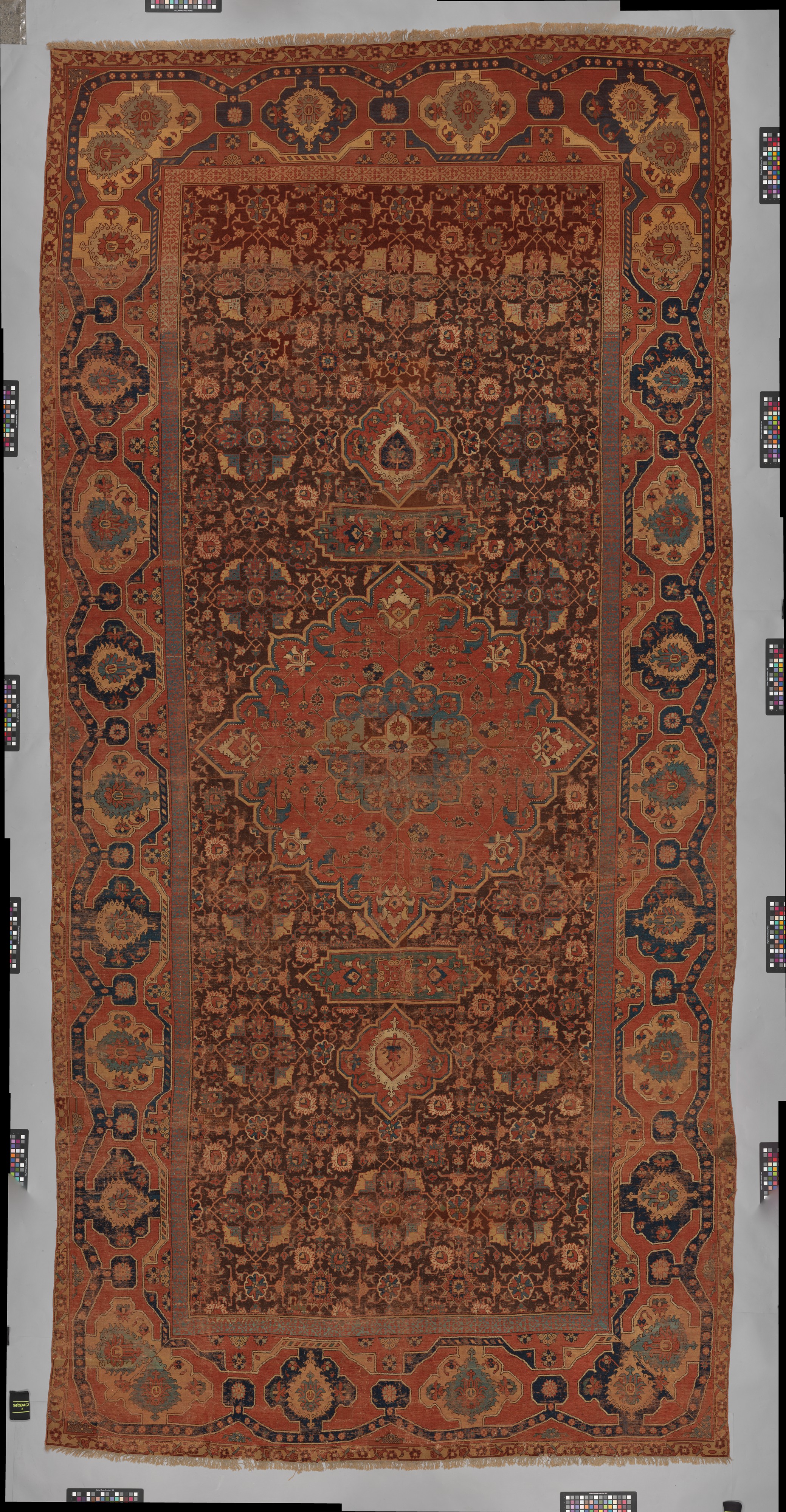
From Floor to Form: The Carpet Recontextualized in Haute Couture
In the rarefied ateliers of haute couture, inspiration is seldom found in the expected. At Katherine Fashion Lab, we engage in a rigorous process of material deconstruction and cultural re-contextualization. Our latest standalone study, an analysis of the traditional hand-knotted carpet, exemplifies this methodology. Moving beyond superficial appliqué, we dissect the carpet not as a decorative object, but as a complex, three-dimensional textile system rich in structural intelligence and global narrative. This investigation posits the carpet—specifically, its woolen construction and asymmetrical knot—as a profound source of technical, tactile, and symbolic innovation for avant-garde form-making.
Deconstructing the Tectonic: Warp, Weft, and Pile as Architectural Principles
The foundational genius of the hand-knotted carpet lies in its tripartite architecture: the warp (longitudinal foundation), the weft (latitudinal binder), and the pile (volumetric expression). This is not merely weaving; it is a form of textile engineering. In our analysis, we transpose this principle to the couture silhouette. The warp translates to the foundational lines of a garment—the princess seams, the spine of a coat, the unwavering verticality of a column dress. These are the non-negotiable structural elements, the unseen threads of integrity upon which everything hangs.
The weft becomes the element of contour and containment—the bust dart, the waist suppression, the gentle arc of a raglan sleeve. It binds the warps, introducing shape and defining the relationship between the body and the garment's architecture. Finally, the pile is liberated as pure, expressive volume. It is no longer underfoot but ascends to become exaggerated sleeves, cascading ruffles, dense textural embellishment, or sculptural protrusions. The pile represents the couturier’s most audacious voice, the tactile and visual drama built upon a silent, stable framework. This triadic relationship encourages a design philosophy where flamboyant volume is always in intelligent dialogue with rigorous structure, ensuring conceptual coherence and wearable art.
The Asymmetrical Knot: A Metaphor for Disruptive Elegance
Beyond the macro-architecture, the micro-technique of the asymmetrical, or Persian, knot holds significant conceptual weight. Unlike its symmetrical counterpart, the asymmetrical knot is tied around a single warp thread, allowing for greater detail, curvature, and nuance in the design. It is the technology that enables the intricate florals of Isfahan, the flowing vines of Tabriz, the precise geometry of the Caucasus. For Katherine Fashion Lab, this knot becomes a powerful metaphor for sophisticated disruption and nuanced construction.
We interpret this technique in the manipulation of fabric and seam. An asymmetrical knot creates a denser, more pliable surface—this inspires bias-cut panels that cling and curve with unprecedented specificity, mimicking the knot's ability to follow complex patterns. It suggests seaming that deliberately avoids symmetry, with spiraling closures, off-center drapes, and fastenings that travel in unexpected, organic paths across the body. The knot’ inherent strength and flexibility inform the development of hybrid textiles where stability and fluidity coexist—perhaps a tightly woven wool jacquard (the warp/weft ground) suddenly erupting into a cascade of knotted silk fringe (the liberated pile). The asymmetrical knot teaches that the highest resolution of design often comes from an embrace of controlled irregularity, a principle that challenges the often binary nature of garment construction.
Wool: The Haptic Narrative of Global Heritage
The materiality of wool is central to this study. As a global heritage material, wool’s story is one of adaptation—from the high plateaus of Persia to the Scottish Highlands, from Navajo weavers to Savile Row. Its characteristics are not merely physical but deeply cultural. In our couture context, wool is revered for its mnemonic and haptic qualities. It possesses memory (it can be steamed and shaped) and resilience; it is insulating yet breathable. This duality makes it an ideal medium for garments that are both sculptural and sensate.
We explore the full spectrum of wool’s potential, treating it with the reverence typically reserved for silk or cashmere. Imagine a warp-faced wool duchesse satin for a structured bodice, catching light like the sheared pile of a carpet. Contrast this with a felted wool so dense it becomes a sculptural shell, or a wool crepe so finely woven it drapes with liquid heaviness. The inherent crimp of the wool fiber gives it a natural loft, which we amplify through techniques like brushing, steaming, and knotting to create intentional, cloud-like textures. The choice of wool roots the most avant-garde silhouette in a narrative of pastoralism, nomadic luxury, and timeless craft, creating a poignant dialogue between ancient materiality and futuristic form.
Contextual Autonomy: The Standalone Study as Creative Catalyst
The designation of this exploration as a standalone study is a critical, deliberate parameter. By isolating the carpet from a specific seasonal theme or commercial collection, we grant it intellectual and creative autonomy. This allows the research to delve into pure materiality and construction without the constraints of wearability, trend, or narrative cohesion with other pieces. The findings here are not endpoints but catalysts.
Conclusions from this study will inevitably diffuse into future work at Katherine Fashion Lab. The tectonic warp-weft-pile principle may inform the internal architecture of a tailored jacket. The asymmetrical knot’s philosophy may manifest in the algorithmic patterning of laser-cut leather. The haptic language of wool may lead to innovative fabric blends for our *Artisanal* line. This standalone analysis functions as a pure research and development module, ensuring that our couture practice remains grounded in deep textile literacy while perpetually pushing the boundaries of what fashion can be. It reaffirms that inspiration, when subjected to rigorous, analytical deconstruction, can yield not just a garment, but a new framework for thinking about the body, adornment, and the enduring power of global heritage reimagined.