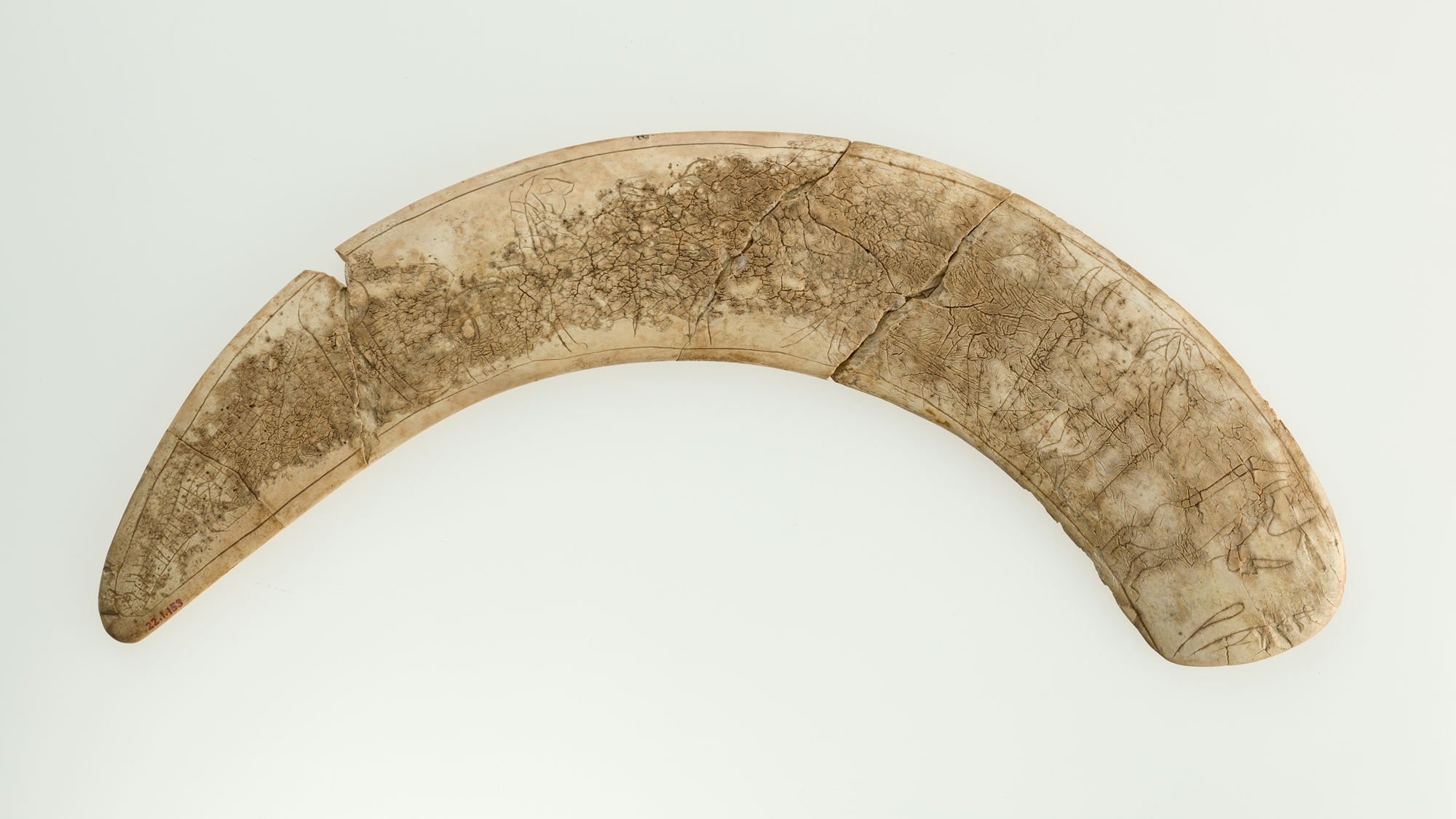
Heritage Analysis: The Magic Wand in Hippopotamus Ivory
As Lead Heritage Curator for Katherine Fashion Lab, this analysis examines the magic wand crafted from hippopotamus ivory, an artifact rooted in ancient civilization. This strategic standalone research paper explores the object’s symbolic power, historical adornment, spiritual meaning, and its potential integration into a 2026 high-end luxury strategy. The findings reveal a profound narrative of authority, transformation, and exclusivity that aligns with contemporary luxury market demands for authenticity and narrative depth.
Symbolic Power: Authority and Transformation
The magic wand, in ancient civilizations such as Egypt and Mesopotamia, was not merely a tool but a potent symbol of divine authority and transformative power. Carved from hippopotamus ivory, a material associated with the goddess Taweret—a protective deity of childbirth and fertility—the wand embodied life-giving and warding-off chaos. In Egyptian funerary contexts, ivory wands were placed in tombs to guide the deceased through the underworld, symbolizing resurrection and control over fate. This duality of creation and destruction, protection and peril, positions the wand as an emblem of ultimate agency. For Katherine Fashion Lab, this symbolic power translates into a luxury narrative of empowerment, where the wearer or collector possesses an object that channels ancient authority. The rarity of hippopotamus ivory, sourced from a now-endangered species, further amplifies its symbolic weight, linking exclusivity to environmental consciousness—a key driver in 2026 luxury markets.
Historical Adornment: Craftsmanship and Materiality
The historical adornment of the magic wand reflects meticulous craftsmanship and cultural significance. Hippopotamus ivory, prized for its density, creamy color, and smooth finish, was carved into wands of varying lengths, often incised with protective symbols like the sa (protection) or ankh (life). These wands were not merely functional but were adorned with gold leaf, lapis lazuli inlays, or faience beads, elevating them to objects of prestige. In ancient Egypt, such wands were held by priests or royalty during ceremonies, their physical presence signifying status and divine connection. The material itself—ivory—was a luxury commodity, traded across the Mediterranean and African regions, making the wand a statement of wealth and global connectivity. For Katherine Fashion Lab, the historical adornment of the wand offers a blueprint for luxury design: the fusion of organic material with precious embellishments, and the emphasis on tactile and visual richness. In 2026, this translates into high-end accessories that prioritize artisanal techniques, sustainable sourcing, and cross-cultural storytelling.
Spiritual Meaning: Ritual and Cosmic Order
Spiritually, the magic wand served as a conduit between the mortal and divine realms. In ancient Egyptian ritual, wands were used to trace sacred symbols in the air, invoking deities or directing cosmic energy. The hippopotamus ivory, linked to Taweret, also connected to the Nile’s life-giving and destructive forces, embodying the cyclical nature of existence. In Mesopotamian traditions, ivory wands were employed in exorcism and healing, channeling the power of gods like Ea or Ishtar. This spiritual dimension positions the wand as a tool for maintaining cosmic order (ma'at in Egypt) and personal transformation. For Katherine Fashion Lab, the spiritual meaning offers a narrative of intentionality and ritual in luxury consumption. In 2026, high-end consumers seek products that provide meaning beyond aesthetics—objects that facilitate mindfulness, protection, or personal growth. The wand’s spiritual legacy can be reinterpreted in limited-edition collections, where each piece is consecrated or inscribed with ancient symbols, creating a sensory and emotional connection.
Strategic Luxury Strategy for 2026
Integrating the magic wand’s heritage into Katherine Fashion Lab’s 2026 high-end luxury strategy requires a multi-faceted approach that prioritizes exclusivity, narrative depth, and sustainability. The following strategic pillars are recommended:
1. Material Ethics and Provenance: Given the endangered status of hippopotamus, direct ivory use is legally and ethically untenable. Instead, Katherine Fashion Lab should partner with conservation-focused artisans to create wands from sustainably sourced alternatives—such as tagua nut, fossilized walrus ivory, or lab-grown ivory composites—that replicate the density and finish of hippopotamus ivory. Each piece should include a certificate of provenance detailing its ethical sourcing and cultural homage, appealing to the 2026 luxury consumer’s demand for transparency.
2. Narrative-Driven Collections: Launch a limited-edition “Wand of Sovereignty” collection, comprising 100 pieces globally. Each wand would be hand-carved by master artisans, with designs inspired by ancient Egyptian and Mesopotamian motifs. The collection would be accompanied by a digital heritage archive—accessible via QR code—featuring historical context, ritual uses, and interviews with anthropologists. This narrative immersion positions the wand as an heirloom, not a commodity, justifying a premium price point of $15,000–$50,000.
3. Experiential Retail and Ritual: In flagship stores, design a “Sanctuary of Transformation” experience where clients participate in a guided ritual—selecting a wand, having it consecrated with symbolic inscriptions, and receiving a personalized “blessing” card. This experiential layer taps into the 2026 trend of luxury as self-care and spiritual enrichment, fostering brand loyalty and word-of-mouth prestige.
4. Collaborative Exclusivity: Partner with contemporary artists, anthropologists, and perfumers to create a multi-sensory product ecosystem. For example, a wand could be paired with a bespoke incense blend or a jewelry capsule collection featuring ancient symbols. Limited collaborations with institutions like the British Museum or the Louvre would enhance cultural credibility and generate media buzz.
5. Digital and NFT Integration: For the tech-savvy luxury segment, offer a digital twin of the wand as an NFT, complete with provenance data and ritual animations. This bridges physical heritage with digital ownership, a growing market in 2026. The NFT could also unlock exclusive virtual events or access to heritage lectures, deepening consumer engagement.
Conclusion
The magic wand in hippopotamus ivory represents a convergence of symbolic power, historical adornment, and spiritual meaning that is uniquely suited to Katherine Fashion Lab’s 2026 high-end luxury strategy. By reimagining this artifact through ethical materials, narrative depth, and experiential retail, the brand can position itself as a curator of heritage and a pioneer of meaningful luxury. The wand’s legacy of authority and transformation offers a compelling blueprint for products that transcend fashion, becoming tools for personal and cultural elevation. In a market saturated with ephemeral trends, this heritage analysis confirms that the magic wand—reborn as a luxury object—can command both reverence and revenue.