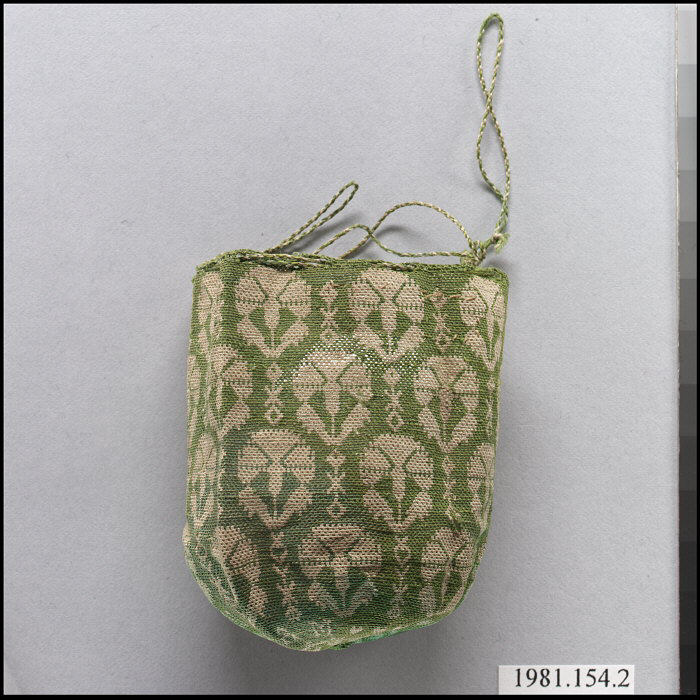
The Artisanal Purse: A Couture Analysis of Global Heritage and Material Mastery
In the rarefied echelons of haute couture, the handbag transcends its functional role as a vessel for daily essentials, becoming a sculptural testament to heritage, craftsmanship, and narrative. Katherine Fashion Lab’s latest standalone study on the artisanal purse offers a profound exploration of how global heritage, when married with exceptional materiality, redefines luxury. This analysis delves into the purse as a microcosm of couture philosophy, where every stitch, weave, and embellishment carries the weight of centuries-old traditions, yet speaks a contemporary language of exclusivity and emotional resonance.
The Conceptual Framework: Heritage as a Design Lexicon
At the heart of Katherine Fashion Lab’s investigation lies a deliberate departure from mass-produced homogeneity. The purse is not merely an accessory; it is a portable archive of cultural memory. The study positions global heritage as a dynamic design lexicon—not a static reference to the past, but a living dialogue between artisan communities and modern aesthetics. For instance, the lab’s analysis highlights purses that incorporate Mughal-inspired embroidery from India, where artisans employ centuries-old zardozi techniques using gold-wrapped threads. This is not appropriation but a reverent collaboration, where the purse becomes a canvas for preserving endangered craft skills while elevating them into high-fashion artifacts.
Similarly, the study examines the influence of Japanese boro stitching—a traditional method of mending and patching textiles—reinterpreted in leather and silk. Here, the purse’s surface tells a story of imperfection as beauty, aligning with the wabi-sabi philosophy. Katherine Fashion Lab argues that such heritage-infused designs offer a counter-narrative to fast fashion’s disposability, imbuing each piece with a sense of timelessness and ethical depth. The purse becomes a bridge between worlds: the local and the global, the ancestral and the avant-garde.
Material Alchemy: The Artisanal Material as Protagonist
The materiality of the artisanal purse is not a backdrop but a protagonist. Katherine Fashion Lab’s study emphasizes that the choice of material—whether hand-loomed silk from Varanasi, vegetable-tanned leather from Tuscany, or raffia woven by Maasai cooperatives—dictates the purse’s entire structural and aesthetic vocabulary. The lab’s analysis focuses on three key material categories that exemplify this alchemy.
First, natural fibers and hand-weaving. The study profiles purses crafted from abacá (a Philippine banana fiber) and pifia (pineapple leaf fiber), materials that require weeks of hand-stripping, drying, and dyeing. These fibers are then woven into intricate geometric patterns using looms that have remained unchanged for generations. The result is a purse that is lightweight yet durable, with a tactile surface that shifts in color and texture as light moves across it. Katherine Fashion Lab notes that such materials resist standardization—each purse bears the unique imprint of the weaver’s tension and rhythm, making it a singular work of art.
Second, artisanal leather treatments. The study examines purses made from buttero leather, a full-grain, vegetable-tanned leather from Tuscany, known for its ability to develop a rich patina over time. The lab highlights the “guilloche” technique—a hand-tooled embossing method that creates raised patterns reminiscent of Renaissance metalwork. This process, often taking over 40 hours per purse, transforms the leather into a relief sculpture. The material’s responsiveness to touch and aging is celebrated as a feature, not a flaw, aligning with the lab’s thesis that couture purses are meant to evolve with their owner.
Third, upcycled and reclaimed materials. In a nod to sustainability, Katherine Fashion Lab’s study includes purses made from vintage kimono silk and decommissioned sailcloth. These materials carry pre-existing narratives—a silk fragment from a 1920s furisode or a sail that weathered a transatlantic voyage. The lab argues that this imbues the purse with a layered history, making it a conversation piece that challenges the notion of luxury as pristine newness. The artisanal process here involves careful deconstruction, hand-cutting, and re-stitching, ensuring that the material’s integrity is preserved while its function is reimagined.
Structural and Ergonomic Considerations: Function as Form
While the artisanal purse is often celebrated for its decorative richness, Katherine Fashion Lab’s analysis underscores the importance of structural integrity and ergonomic design. The study examines how global heritage techniques inform not just surface decoration but the very architecture of the purse. For example, the “knot” closure—inspired by Chinese pan chang knots—is not merely ornamental; it provides a secure, adjustable fastening without metal hardware, reducing weight and wear. Similarly, the use of hand-stitched gussets (inspired by Japanese sashiko patterns) allows the purse to expand while maintaining its shape, a feature that balances aesthetics with practicality.
The lab also critiques the common pitfall of over-embellishment, where artisanal materials become burdensome. A purse weighing over 1.5 kilograms, no matter how exquisite, fails its primary function. The study highlights examples where artisans have engineered lightweight structures using hollow-core leather or woven bamboo frames, ensuring that the purse remains a joy to wear. This balance between art and utility is, the lab argues, the hallmark of true couture: a piece that honors its heritage while serving the modern woman’s lifestyle.
Cultural and Economic Implications: Beyond the Object
Katherine Fashion Lab’s standalone study extends its analysis beyond the purse itself, examining its role in cultural preservation and economic empowerment. The lab notes that by commissioning artisanal materials from marginalized communities, luxury brands can create sustainable livelihoods. For instance, a purse featuring Batik from Indonesia or Kente cloth from Ghana supports entire ecosystems of dyers, weavers, and embroiderers. The study warns, however, against tokenism; true partnership requires fair wages, intellectual property respect, and long-term commitments, not one-off collaborations.
The lab also explores the “slow fashion” paradigm, where the artisanal purse’s production timeline (often 6–12 months) becomes a deliberate counterpoint to the rapid-fire seasons of mainstream fashion. This slowness allows for mastery, as each purse undergoes rigorous quality checks, from tensile testing of handles to colorfastness of dyes. The result is a product that defies obsolescence, holding its value—and its story—across generations.
Conclusion: The Purse as a Manifesto
In conclusion, Katherine Fashion Lab’s couture analysis positions the artisanal purse as a manifesto for a more intentional, culturally literate luxury. It is a testament to the power of global heritage as a source of infinite inspiration, and to artisanal materials as vessels of memory and mastery. The purse is not just an object of desire; it is a statement of values—celebrating diversity, honoring craft, and challenging the ephemerality of modern consumption. For the discerning collector, it represents an investment in beauty that is both personal and planetary. In a world of fleeting trends, the artisanal purse stands as a quiet, enduring revolution.